
1. What is CO2 Laser?
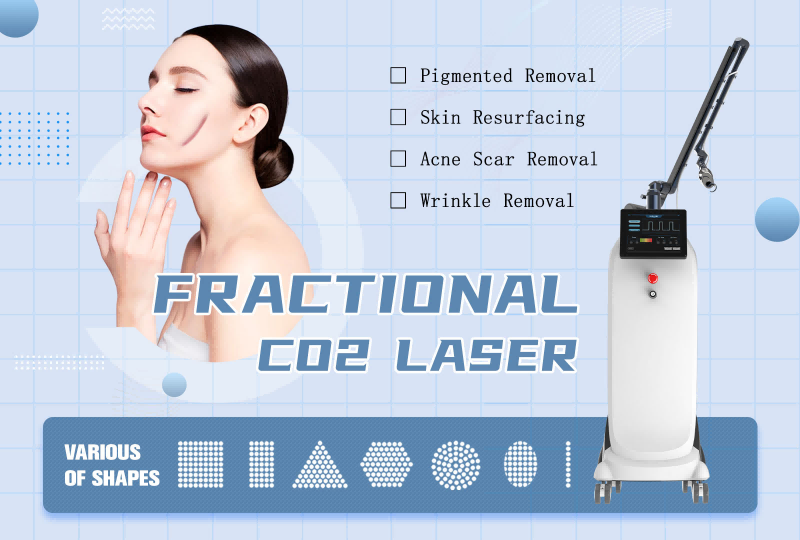
Fractional CO2 laser is a technology that uses a 10600nm wavelength laser to create tiny thermal damage zones on the skin. These micro treatment areas (MTZ) are surrounded by undamaged normal skin, thereby initiating the skin’s wound repair mechanism, stimulating the regeneration of collagen and elastic fibers. The Fractional CO2 laser Device, as described, is a multifunctional beauty device that combines scar repair, skin tightening, uniform skin tone, and pore reduction. Its ultra long lifespan RF tube (20000 hours), high stability, multi-mode (CO2/gynecological/surgical), and high power (1000W) ensure the effectiveness and stability of treatment.
Fractional CO2 treatment is widely used to improve acne scars, wrinkles, uneven pigmentation, and skin sagging due to its significant skin rejuvenation effect. However, its outstanding effects have also raised questions for many beauty seekers: Will this treatment create a “dependency” like some skincare products or medications? Will the skin condition rebound or even deteriorate after stopping treatment?
2.The Essence of CO2 Laser Therapy is “Repair” Rather Than “Addiction”
To understand the issue of dependency, it is necessary to first clarify the working principle of the CO2 laser. It does not produce immediate effects by intervening in human metabolism or neurotransmitters like some hormone drugs, which may lead to physiological dependence.
2.1 Its Function is to Initiate the Skin Self Repair
The laser creates controllable and minimal thermal damage on the skin, which is equivalent to giving the skin a clear repair command. After receiving this signal, the skin will initiate a complete and natural healing process, including inflammation, proliferation, and remodeling. During this process, new and healthy collagen is generated, and aged damaged tissues are replaced.
2.2 The Effect is Cumulative and Persistent
The skin improvement brought by CO2 laser (such as collagen thickening, scar lightening, pore reduction) is a substantial tissue change. Newly generated collagen can remain in the skin for several years. Therefore, the therapeutic effect of one session or one course of treatment is long-lasting, not a short-term effect that disappears immediately after stopping the medication.
Therefore, from a medical and physiological perspective, CO2 laser therapy does not lead to physiological dependence or addiction. You don’t have to worry about your body needing the next treatment like it craves for a certain substance.
3.Will the Skin Deteriorate After Stopping the CO2 Laser?
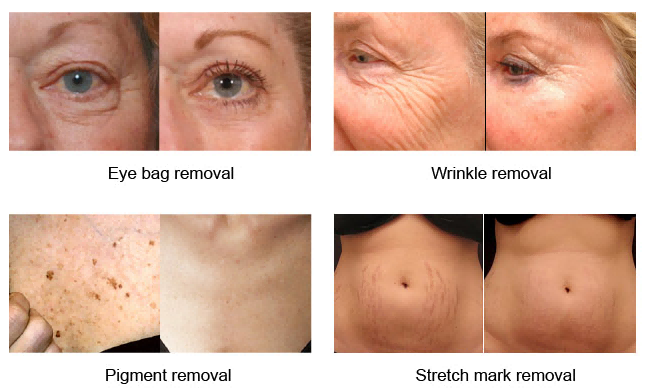
This is the core concern. The answer is: After stopping the treatment, the skin will not inexplicably become worse than before, but the natural process of skin aging will not stop.
3.1 The Race Between the Dividend Period of Treatment and Natural Aging
The skin improvement brought by CO2 laser is real, for example, acne scars have been repaired by 50%, and this improvement is permanent. Scars will not regrow just because you stop treatment. However, your skin is still naturally aging, while continuously being exposed to new damages such as ultraviolet radiation, environmental pollution, and sleep stress. After stopping treatment, you lose a powerful weapon that regularly fights against these new damages, so the skin will gradually show new signs of aging according to its natural laws (such as new fine lines, pigmentation, and sagging). This is not a rebound treatment, but a manifestation of natural aging. Many people mistakenly understand this as “skin has deteriorated”.
3.2 Difficulty in Maintaining the High Standard State of the Skin
After CO2 laser treatment, the skin has reached a smoother and firmer state. When you get used to this high standard, once you return to the natural slow aging track, it is easy to feel a sense of regression or deterioration psychologically. But it’s not an actual regression in skin physiology.
3.3 Improper Postoperative Care May Lead to Problems
If strict sun protection and moisturizing are not applied after treatment, or if irritating products are abused during the recovery period of the skin barrier, it may indeed cause problems such as pigmentation, sensitivity, or inflammation. This is a result of improper postoperative care, rather than the inevitable outcome of the treatment itself.
4.How to View the Treatment Frequency of CO2 Laser?
Usually, doctors recommend a course of treatment (such as 3-5 times) to achieve the desired effect, followed by 1-2 maintenance treatments per year. This suggestion pattern is often misunderstood as dependency.
This is actually maintenance just like how you maintain your car every year and exercise regularly to keep fit, the maintenance treatment of CO2 laser is aimed at the constantly occurring new skin problems and the ongoing natural aging process. It is an active and proactive skin asset management strategy, rather than a passive response to withdrawal reactions.
Conversion of treatment goals: The initial goal of treatment is to improve existing serious problems (such as deep scars and severe photoaging). The goal of post maintenance treatment is to consolidate achievements and prevent and delay the emergence of new problems. The decrease in frequency itself indicates that there is no dependency.
5. How to Avoid Falling into a “Treatment Cycle” and Scientifically Manage the Skin?
Establish reasonable treatment expectations: clarify that CO2 laser is a treatment method rather than a daily maintenance product. Its goal is to solve specific problems, buying you time and a better skin foundation.
Treating post-treatment care as a top priority: strict sun protection, scientific moisturizing, and barrier repair after treatment are key to consolidating therapeutic effects and preventing adverse reactions such as discoloration. This can maximize the benefits of a single treatment and may prolong the maintenance period.
Establish a comprehensive anti-aging system: Do not place all your hopes on a single project. Using CO2 laser as the ace, combined with daily use of VA acid, antioxidant (VC), sunscreen and other functional skincare products, as well as healthy lifestyle habits, to form a three-dimensional and sustainable skin health management plan.
Maintain long-term communication with professional doctors: Conduct regular skin assessments, and let doctors decide whether and when the next maintenance treatment is needed based on the latest condition of your skin, rather than mechanically following a fixed cycle.
FAQ
Q1: After doing a CO2 laser once, is it necessary to do it in the future, otherwise the skin will accelerate aging?
A: Absolutely not. The effect of a single treatment is independent, and the newly generated collagen is genuine. After stopping treatment, the skin will only follow its natural aging rate and will not accelerate aging due to laser treatment.
Q2: Some people say that after stopping doing it, the skin will be more sensitive and thinner than before. Is it true?
A: Nope. CO2 laser stimulates collagen regeneration, theoretically leading to thickening of the dermis layer and healthier skin structure. Sensitivity in the short term after surgery is a normal phenomenon during the recovery period. In the long run, scientifically completed treatments will not lead to thinning of the skin. If long-term sensitivity occurs, it is necessary to investigate whether there are other skin problems or improper postoperative care.
Q3: Can problems like acne scars be treated once and for all?
A: For repaired acne scars, the effect is long-lasting. Because scar tissue has been replaced by newly formed normal tissue. But if you continue to develop severe new pimples and leave new acne scars, then these new issues require additional treatment. The treatment solves the old problems and does not prevent the emergence of new problems.
Q4: What is the difference between maintenance therapy and dependency?
A: Dependency refers to the need for the body to continuously use a substance in order to maintain normal function or avoid discomfort, and withdrawal symptoms may occur after cessation. Maintenance therapy is an active intervention based on sustained external damage (such as ultraviolet radiation) and internal processes (such as aging), with no withdrawal reactions after cessation, but no new intervention effects. Just like regular haircuts do not mean dependence on hairdressers.