
CO2 laser resurfacing serves as a strong tool in dermatology. It helps address many cosmetic skin issues. These include fine lines, scars, uneven pigmentation, and loose skin. Fractional CO2 laser therapy sends targeted beams of light at rough skin tone, lines, scars, spots, and other flaws. The warmth strips away harmed top layers. At the same time, it boosts collagen and elastin growth in lower layers. Over time, this evens out and firms up the skin’s look.
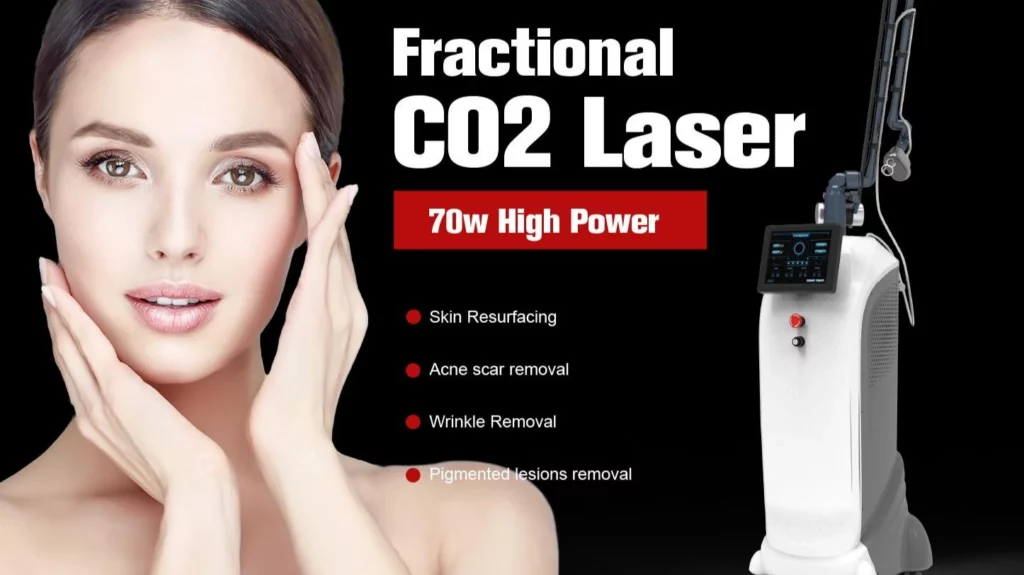
The tech in a CO2 fractional laser machine is quite sophisticated. Yet, it’s the clinic process that really shapes safety, reliability, and client happiness. By setting standard rules for before and after care, clinics achieve steady results for various staff and clients. This approach cuts down risks, simplifies team training, boosts daily operations, and fosters trust via reliable experiences.
1. Consultation & Treatment Planning
Good CO2 laser resurfacing starts with a detailed client meeting. The first check looks at the person’s skin type, main worries, health background, and fit for the procedure. Fractional CO2 laser works on all Fitzpatrick skin types. Still, folks at risk for color changes or scars need careful timing and strength levels.
Honest talk about goals matters a lot. Clients need to grasp the likely gains. These involve slow fading of dark spots, smaller pores, and softer lines as time passes. They should know that several visits might be required. Clear changes from fractional CO2 laser skin resurfacing build up step by step. Usually, this happens over three to five sessions.
Risk checks must spot any no-go factors. These can be current infections, recent use of isotretinoin, or uncontrolled long-term illnesses. Give informed consent forms. They should explain possible issues like redness, swelling, or color shifts.
2. Pre-Treatment Preparation
Prep before CO2 laser treatment often starts two to four weeks ahead. Advise clients to skip sun and fake tans. This lowers chances of dark spots after inflammation. Skin prep routines might use creams like retinoids or hydroquinone. Use them when suitable. They help improve laser reach and recovery.
Clients should stop blood-thinner drugs if okay with their doctor. They also need to quit smoking. Both steps aid blood flow and healing. For those with past cold sores, prescribe antiviral meds as a safeguard.
On treatment day, clients arrive with bare skin. It should be free of makeup, lotion, or sunblock. Apply a numbing cream for 30 to 60 minutes. This helps ensure comfort during the session.
3. Treatment Day Workflow
The session kicks off with a fresh look at the client’s skin state. With a CO2 fractional laser machine from Nubway that has scanner features, the provider sends energy in an exact small heat zone design. Thanks to modern scanner tools, the fractional CO2 laser handpiece moves smoothly over target spots. These often cover the face, neck, chest, hands, or arms. It creates a dotted grid of tiny laser rays. These hit signs of natural and sun-related aging in the skin’s deeper layers.
Adjust settings like coverage, power, and pulse time based on skin type and goal. For those with deeper tones (Fitzpatrick IV–VI), pick milder options. Deeper tones need four to six weeks between sessions. Use low to medium power. This avoids dark or light patches.
Right after, the skin looks red and puffy with small leaks. Use cool saline cloths or chilled air to ease the soreness. Then, share spoken and printed aftercare tips before sending clients home.
4. Immediate Post-Treatment Response
In the first 24 to 72 hours after, clients often feel redness, puffiness, warmth, tightness, and slight pain. These signs resemble a bad sunburn. They are typical. They mark the early swelling and healing stage.
Light fluid leaks or scabs might form in the first days. This happens as tiny heat spots start regrowing skin. Swelling usually tops out on day two. It fades by day five. Most see peeling by days five to seven.
Healing time differs by how strong the treatment was. But it often lasts seven to ten days for full-face work with fractional modes.
5. Post-Treatment Care Protocol
A set aftercare plan speeds up recovery. It also stops problems. Start gentle washing 24 hours after with a mild soap. Pick one without harsh chemicals or scents. Tell clients not to rub or scrub the areas.
Apply thick creams with ceramides or petrolatum often. They keep skin damp and aid the protective layer until scabs clear. Keeping it wet is key. It helps wounds mend and avoids early hard scabs.
Limit activities. Skip hot places like saunas. Avoid hard workouts for at least 48 hours. Stay out of the sun completely. If outside, use physical blockers (SPF 50+, with zinc oxide). Suggest wide hats too.
For dense treatments, prescribe antibiotic creams as a guard. Teach clients not to pick peeling bits or scabs. This cuts scar risks.
6. Long-Term Care & Results Maintenance
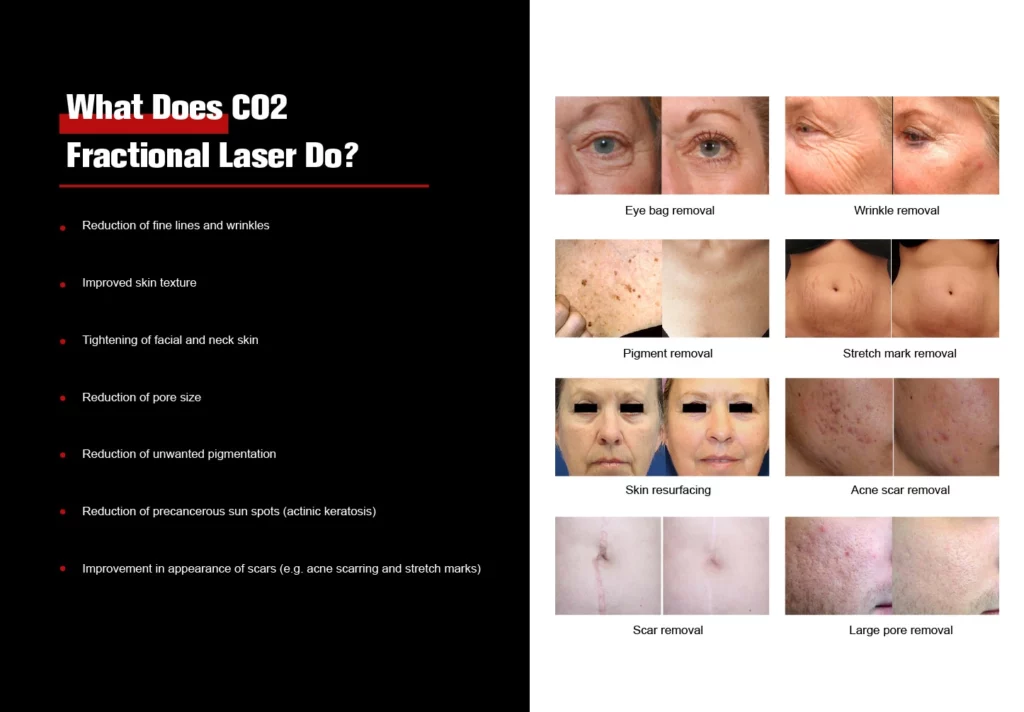
Early gains show after one visit. But lasting effects grow over weeks. This occurs as deeper skin rebuilds. Fractional CO2 laser service encourages collagen renewal. It aids anti-aging skin boosts.
Regular home care improves and extends these gains. Use broad sun protection daily. Add serums with vitamin C for antioxidants. Moisturize steadily.
Plan a check-in at one to two weeks after. Review healing and fix any issues. Book more sessions based on looks goals and personal recovery.
Protecting results needs steady home efforts. Clinics should hand out clear guides. They list daily tasks for short recovery and ongoing upkeep.
Set workflows for CO2 fractional laser machine sessions do two main things. They improve clinic results and smooth out daily work. From the first talk through upkeep, each part can follow a clear system. This brings steady outcomes for all kinds of clients.
Stick to proven, repeatable steps. Add personal tweaks for risks and skin types. Clinics can keep things safe. At the same time, they boost client joy. In the end, staff and clients gain from planned steps. These bring sure changes via tools like fractional CO2 resurfacing.
FAQ
Q: What is a CO2 fractional laser machine and what skin concerns can it treat?
A: A CO2 fractional laser machine is a cutting-edge skin device. It sends laser power in a dotted pattern to the skin. This method clears damaged top layers. It also makes controlled warm spots in the lower skin to spark collagen and elastin growth.
Doctors use it a lot for lines, acne marks, surgery scars, uneven colors, big pores, loose skin, and general sun damage.
Q: Why is a standardized workflow important when using a CO2 fractional laser machine in clinics?
A: Setting a standard process for a CO2 fractional laser machine brings even results. It raises client safety. Plus, it lowers problem risks. A shared plan covers the first meeting and prep before. It also includes care after. This aids team learning, keeps quality steady among staff, and grows trust via expected outcomes.