
What Can a Picosecond Laser Machine Treat? Tattoo, Pigment, Scar Removal
What Is a Picosecond Laser Machine and How Does It Work?
How Does Picosecond Laser Technology Differ from Traditional Lasers?
A picosecond laser machine works by sending energy in very short bursts. These bursts last just trillionths of a second. They break apart pigment bits inside the skin. Pico stands for one trillionth. Picture flipping a light switch off and on one trillion times in a single second. That matches the speed of the light energy that reaches the skin. The short pulse time cuts down on heat build-up. It also lowers the chance of harm to nearby skin. Older nanosecond lasers depend more on heat to clear pigment. This newer method uses a mechanical push instead. The outcome brings better safety, less pain, and quicker healing.
Key Mechanisms Behind the Picosecond Laser Machine
The main action comes from a photoacoustic effect. The same thing occurs in the skin. The short pulses create a pressure wave. This wave hits pigment spots or scar tissue. It squeezes those areas and shatters them into tiny pieces. The body later clears the bits through its own system. The small injury also boosts collagen growth. Skin texture becomes smoother and looks fresher after some time. Advanced models offer several wavelengths. Each one handles different needs such as pigment spots, acne marks, or tattoos.
What Skin Concerns Can a Picosecond Laser Machine Treat?
Can Picosecond Laser Machine Remove Tattoos of Different Colors?
Picosecond laser machines clear tattoos in many ink shades. These include black, blue, green, and red. Doctors first used this tool for tattoo removal. It proved stronger on dark inks than older lasers. The short pulses break ink into fine bits. The body removes those bits through the lymph system. The method shows good results on colored inks and heals the surface fast. One review found that 69 to 100 percent of tattoos cleared more than 70 percent after one to ten sessions. Because of its accuracy, most people need fewer visits than with older systems.
How Effective Is Picosecond Laser Machine for Pigmentation Issues?
The picosecond laser machine handles pigment problems well. These include melasma, freckles, sunspots, and marks left after inflammation. It targets melanin clusters under the skin. The pulses break the clusters into small pieces without hurting nearby tissue. The tool reaches the melanin caps that cause dark patches. It turns the color into tiny particles that are often smaller than those made by other lasers. The body clears the bits on its own. Dark spots fade over a few sessions. Skin looks brighter and more even. The approach suits people who want tone correction with little downtime.
Does Picosecond Laser Machine Help with Acne Scars and Skin Texture?
The system also improves scarred or rough skin. It does this by building new collagen. Short pulses create small changes in the deeper skin layers. Elasticity and smoothness increase over time. Pores look smaller. Fine lines soften through steady collagen renewal. No surgery or long rest periods are needed.
What Are the Benefits of Using a Picosecond Laser Machine?
Why Do Professionals Prefer Picosecond Technology?
Professionals choose this method for its strong results and easy feel for patients. Treatments show clear changes quickly. Redness or swelling stays mild. The short pulse time lowers the risk of burns or new dark marks when used by skilled staff. Sessions finish faster while staying precise. Busy clinics gain from the speed and control.
Key Advantages for Patients Seeking Noninvasive Treatments
People looking for gentle options like fading tattoos or refreshing the face find this system useful. Sessions need little recovery. Most return to daily life right away. Unlike older lasers that rely on heat, this one reduces risks such as scars or extra pigment. It works on the face and body, so it fits many goals.
What Should You Expect During and After Treatment?
What Happens During a Typical Session?
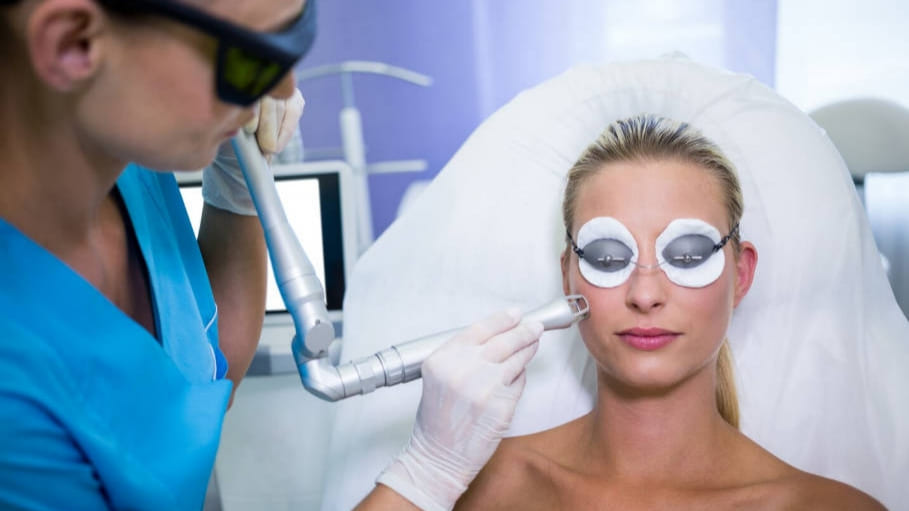
A session starts with a talk. The provider checks skin type and picks settings for the concern, such as how deep the pigment sits or how bad the scars look. Patients wear eye protection. The device then sends quick bursts to the chosen spots. Most people feel only a light tingle or warmth. The feeling fades soon after the session ends.
How Should You Care for Your Skin After Treatment?
Aftercare helps secure good results from a picosecond laser machine for tattoo removal and skin rejuvenation. Staff often suggest soothing cream or a cold pack right after treatment. Sunlight should be avoided. Daily use of high-SPF sunscreen keeps treated skin safe from UV harm while it heals. Follow-up visits may come every few weeks, based on how the skin responds and the goal set at the start.
Nubway’s Expertise in Picosecond Laser Technology
Why Choose Nubway Picosecond Laser Machines?
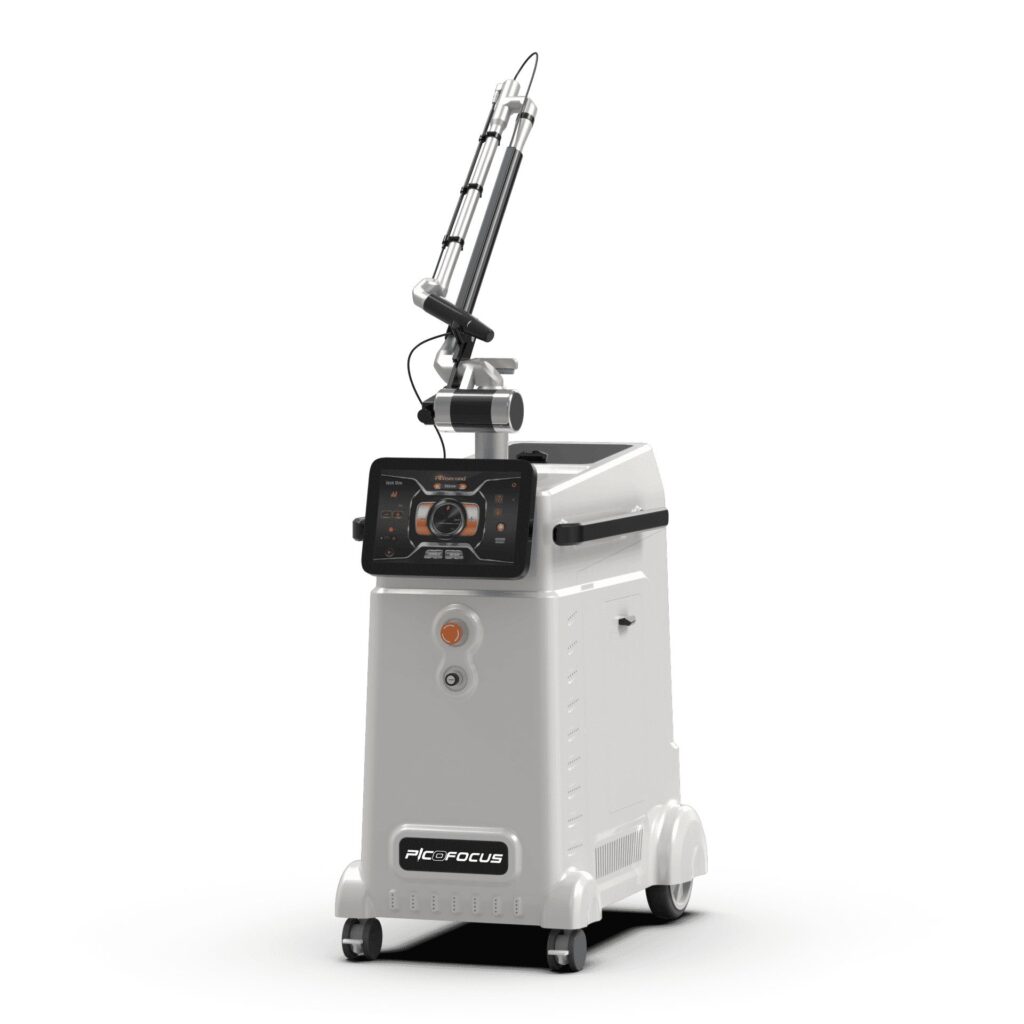
Nubway focuses on advanced beauty devices that stress new ideas and steady performance. We are a professional manufacturer of OEM and ODM in the beauty equipment field. The picosecond laser machines include several wavelengths. This gives doctors options for tattoo removal, pigment correction, acne scar care, and skin refresh treatments. Each unit uses well-made parts that keep energy steady during long use. Results stay consistent from one session to the next.
The full range of tools appears on our product platform. It covers diode lasers, RF microneedling devices, and the main picosecond systems built for today’s skin clinics around the world.
Highlights of Nubway’s Product Features
Multi-Wavelength Capabilities
The multi-wavelength setup targets many pigment types across skin tones. It supports steady uptake no matter the ink shade or lesion depth.
Intelligent Cooling System
Built-in cooling keeps the surface comfortable. It also protects deeper tissue and raises patient comfort during each step.
User-Friendly Interface
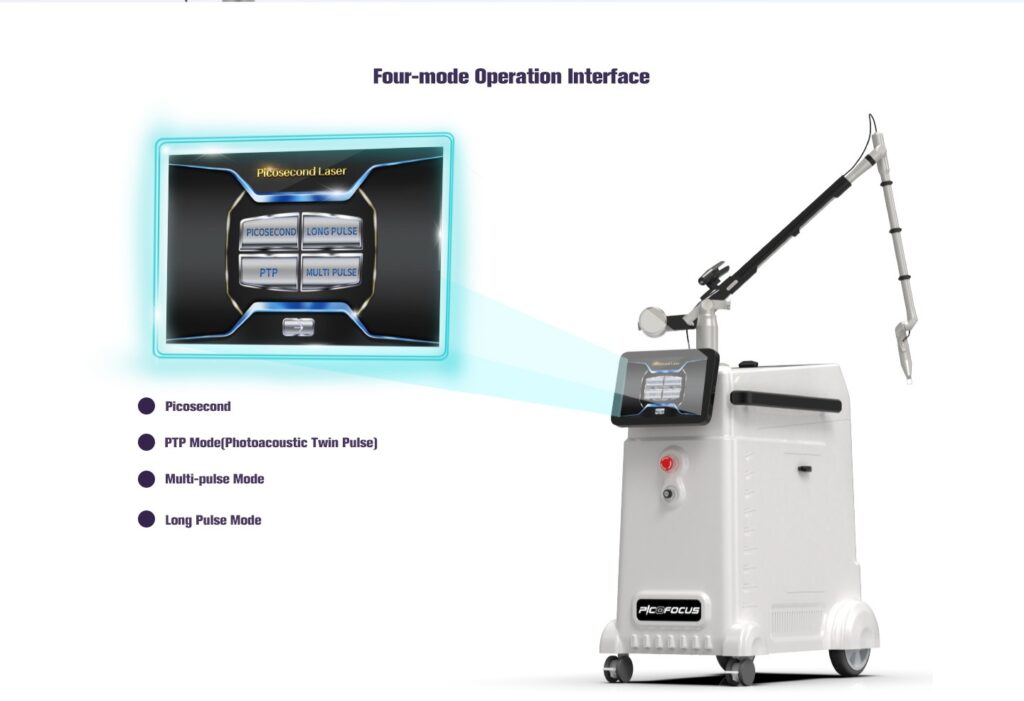
The clear screen offers ready settings. Staff can adjust them for each person, whether the goal is tattoos, freckles, melasma, scars, or lines.
Clinics that want details on picosecond laser machine price or look for a picosecond laser machine for sale can contact the team. Staff helps match the right unit to clinic size, budget, training needs, and ongoing care. Support runs 24/7 across regions.
FAQ
Q: Is a picosecond laser safe for all skin types?
A: Yes. When trained staff set the right levels, these systems work safely on most skin tones. Side effects such as burns, color change, or irritation stay low.
Q: How many sessions are needed for tattoo or pigment removal?
A: Most cases need four to eight visits. Visits are spaced several weeks apart. Ink density, color, and location can change the exact number.
Q: Can I combine picosecond laser treatments with other skincare procedures?
A: Yes. Under expert guidance, pairing with chemical peels or microneedling can add to the overall refresh effect. The skin stays within safe limits while results build.