
RF Microneedling Safety: Risks, Side Effects & Expert Tips for Best Results
RF Microneedling and Its Safety Profile
RF microneedling blends the advantages of standard microneedling with radiofrequency energy sent deep into the skin. It makes small, controlled wounds and warms the deeper layers. This process boosts collagen and elastin growth. As a result, it tightens skin, smooths its feel, and lessens scars. Experts view this method as reliable and useful. Still, knowing its safety details matters a lot. This is especially true for those using an RF microneedling machine in medical or beauty clinics.
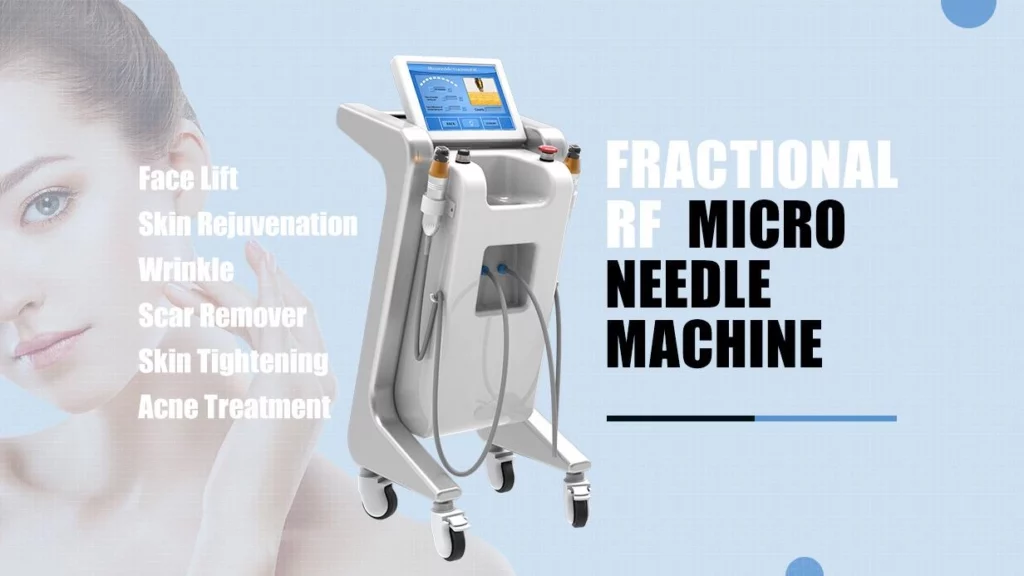
Adding RF energy brings a heat factor. It improves collagen reshaping. But it also raises key points for patient protection. The device’s quality, the operator’s skill, choosing the right patients, and following care steps all matter greatly. They help cut down dangers and improve outcomes.
Identifying Risks Associated with RF Microneedling
Common Side Effects Experienced After Treatment
Like many low-impact beauty treatments, RF microneedling often causes expected reactions. These show up mainly in the early healing time.
- Short-term redness and puffiness happen often. They usually fade in 24 to 72 hours.
- A few patients notice tiny spots of blood where the needles enter.
- Light pain or tenderness is typical right after. It often eases in a couple of days.
- During natural skin repair, dryness or peeling might appear in the healing stage.
These signs show the body is healing well. They are short-lived. Basic support like lotion and sun block is enough.
Less Common but Possible Complications
These issues are uncommon. Yet, they can happen based on skin tone, machine settings, and how well patients follow care rules.
- Darkening or lightening of skin can develop. This is more likely in people with Fitzpatrick skin types IV-VI. So, it’s vital to tweak power levels and needle length for those with deeper tones.
- Infection might occur if clean methods slip or if patients skip aftercare. Germs can enter through the tiny openings. This leads to local swelling or small bumps.
- Scarring could form from too-deep needle use, wrong power choices, or extra passes by beginners on the rf microneedling machine.
Such events are rare. But they stress the value of full patient checks and correct machine setup.
Evaluating Patient Suitability for Safe Treatment
Ideal Candidates for RF Microneedling Procedures
Good results from RF microneedling start with picking the right people.
- People showing light to medium aging signs work best. Think fine wrinkles, loose skin, or lack of glow. Those with acne marks also benefit.
- Patients need sensible views on what to expect. Building new collagen takes time. It often calls for several visits, set weeks apart.
- Folks without current infections, open cuts, or issues like eczema, psoriasis, or poor diabetes control fit better.
A thorough talk helps patients grasp the perks and limits of RF microneedling technology.
Conditions That May Contraindicate Treatment
Some health issues can rule out RF microneedling.
- Active bacterial, viral (e.g., herpes simplex), or fungal infections in the treatment area
- History of keloid formation or hypertrophic scarring
- Use of isotretinoin within the past six months
- Pregnancy or breastfeeding
- Implanted electronic devices such as pacemakers due to potential interference with RF energy
These limits lower bad reactions. They also boost treatment success.
Post-Treatment Care to Minimize Risks and Maximize Results
Immediate Aftercare Guidelines for Skin Recovery
Care right after the procedure aids healing. It also stops problems.
- Patients ought to skip direct sunlight for at least one week. They should use broad-spectrum SPF every day. This cuts the chance of skin darkening from irritation.
- Stick to mild soaps for washing. Skip strong skincare items like retinoids, alpha hydroxy acids (AHAs), or beta hydroxy acids (BHAs) in the first healing days.
- Moisturizers that won’t clog pores keep skin calm. They help rebuild the skin’s shield.
Clinics need to hand out clear written guides after each visit. This reminds patients of the steps.
Long-Term Maintenance Tips for Optimal Outcomes
To keep RF microneedling benefits going, steady care is key.
- Follow the provider’s plan for follow-up sessions. It depends on skin aims. Usually, 3–6 treatments at monthly gaps work well.
- A regular routine with items like antioxidants, peptides, and lotions fits post-treatment needs. It boosts lasting effects.
- Regular check-ins let providers see changes. They can tweak settings and match hopes to real results.
A solid plan like this brings big gains in skin health over time.
Expert Tips for Enhancing Safety During RF Microneedling Sessions
Skill in methods and handling the device is crucial for safety.
- Do a small test area first for those with higher Fitzpatrick skin types. It checks for color changes.
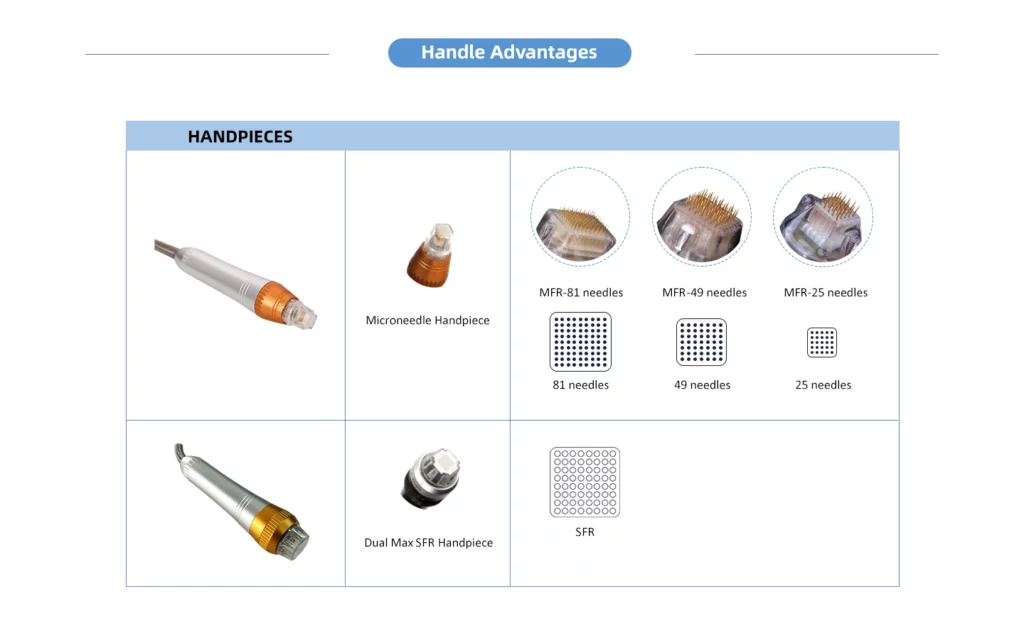
- Pick needle depths that match the spot. Use lighter ones near sensitive areas like under eyes. Go deeper for cheeks or jaw.
- Clean the handpiece fully before each use. This stops germ spread.
- Watch power levels carefully. Stronger settings don’t always mean better gains. They can raise harm chances.
- Prep skin before with creams that fight damage or calm swelling. This can improve results and shorten recovery.
Providers who add tools like diode lasers should note that “3000W ultra-strong machine power combined with high-power hand tools” impacts tissue strongly. But use these extras wisely with RF microneedling from Nubway. Avoid too much heat or burns.
Mixing exact skills with full patient info raises safety and joy. As tech grows, regular training on device features is key. This applies whether using an rf microneedling machine or adding other tools. It leads to top results in clinics.
FAQ
Q: What is an RF microneedling machine used for?
A: An RF microneedling machine combines microneedling with radiofrequency energy to promote collagen production, improve skin texture, tighten skin, and reduce scarring.
Q: Is RF microneedling safe?
A: Yes, RF microneedling is generally safe when performed by trained professionals. However, it requires proper device calibration, patient selection, and aftercare to minimize risks like infection or scarring.
Q: How many sessions are needed with an RF microneedling machine?
A: Typically, 3–6 sessions of RF microneedling are recommended at monthly intervals to achieve optimal results, depending on individual skin goals.
Q: Can anyone use an RF microneedling machine?
A: Not everyone is a suitable candidate. Those with active skin infections, severe scarring, or certain health conditions like uncontrolled diabetes should avoid RF microneedling. Always consult a professional for personalized advice.