
Understanding RF Microneedling Machine Safety
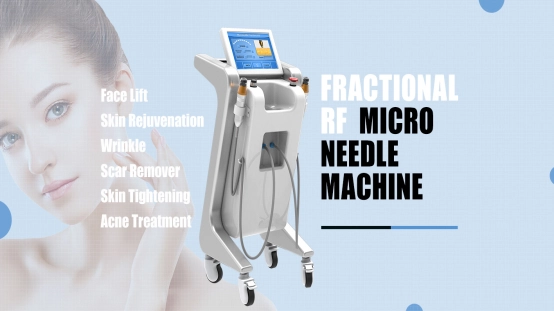
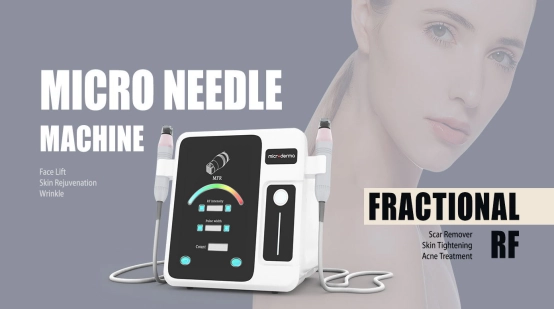
Key Components of RF Microneedling Machines
RF microneedling machines mix the physical work of thin needles with the warmth of radiofrequency (RF) waves. This paired method makes precise small wounds in the skin. It also sends heat to lower skin layers. The goal is to encourage collagen and elastin growth. The link between microneedling and RF power boosts skin firmness, surface smoothness, and scar lessening.
Adding RF power to microneedling makes certain that warmth reaches exact tissue levels. It does this without harming the outer skin. Newer tools use covered or bare needles. These manage power spread and cut down on unease. Current setups include touch-cooling parts like those in other beauty tools. Temperature can reach -30℃ 20HZ ultra-fast frequency 100 million shots warranty 1.54 inch touch screen 4 wavelength:755nm,808nm,940nm,1064nm spot size:1212mm,1220mm,12*24mm, Therapeutic Contact Surface: Sapphire Crystal. These build features show how careful temperature handling and quality materials help client safety in sessions. Such systems from Nubway offer these benefits.
Safety parts in modern RF microneedling machines cover live resistance tracking, auto needle pull-back setups, and changeable pulse lengths. These keep power even for varied skin tones. They also block excess heat or too-deep entry.
Regulatory Guidelines for RF Microneedling Machines
The U.S. Food and Drug Administration (FDA) takes a key part in overseeing RF microneedling devices. It sorts them into medical tool groups. These need before-market okay or approval based on their goal use. FDA watch stresses meeting firm rules for electric safety, needle material fit, and wave releases.
Late changes from oversight groups have pointed out the need to tell apart medical-level microneedling systems and beauty-level choices. Tools that join RF power usually rank as Class II medical devices. This comes from their effect on skin tissue build. Cautions have gone out about unapproved imports or unlisted devices in non-medical spots.
Clinics need to keep in line by picking only FDA-cleared gear. They must stick to maker rules for upkeep and running. Records of worker training, cleaning steps, and setup logs matter for official checks.
Risk Management Strategies for RF Microneedling Machines
Identifying Potential Risks Associated with RF Microneedling Machines
Usual risks from wrong use cover burns, dark patches, bugs from poor cleaning, and spotty results from uneven needle depth. Tool issues—such as excess heat or power breakdowns—can bring major safety dangers if not fixed fast.
Outside conditions affect how it performs too. Air moisture, steady power, and room heat can change output steadiness. For example, quick beauty tools often need exact power changes like diode laser systems. In those, 3000W strong machine power pairs with high-power hand tools and solid energy. This shows why power handling is vital for steady work in treatments. RF microneedling machines from Nubway address these factors well.
Implementing Effective Risk Management Protocols
Full training plans are key for safe running of any rf microneedling machine. Workers should grasp tool setup steps, needle cleaning methods, and skin check points before care starts.
Regular upkeep plans should add checks on handpieces, tests of needle strength, software renews, and electric safety looks at least every three months. Upfront upkeep cuts stop time and stops surprise breakdowns in practice.
Clinics must set urgent steps for quick tool failures or bad client replies like burns or allergy hits. Stop care at once. Then put on cooling gels or clean wraps. This softens harm level. Records back after-event looks.
Training and Certification for Safe Use of RF Microneedling Machines
Importance of Professional Training for Operators
Running an rf microneedling machine needs special know-how in skin makeup and tool parts. Experts should have known papers like beauty medicine degrees or nurse certs based on area rules.
Maker training sessions often bring practical classes. These handle setting changes for different skin kinds, spotting no-go spots, and after-care ways. Steady learning makes sure experts stay current with growing tech like non-ablative laser cares. There, Fine Lines and Wrinkles Pico laser treatments in Singapore can eliminate more than just pigments in the skin. This case shows how getting light-tissue links boosts worker skill over types. Compared to CO2 lasers, RF microneedling treatment requires focused training on energy delivery.
Keeping up on tech growth aids doctors in picking safer ways as new ideas come—mainly those adding artificial intelligence (AI) reply loops. These auto-change settings from live skin resistance reads.
Certification Standards and Requirements
Known cert groups like the American Board of Laser Surgery (ABLS) or like country bodies set skill marks for experts doing RF-based cares. Cert usually needs finishing approved classes then written tests on theory know and hands-on skill.
Keeping cert active means regular renews through learning credits or fresh looks to make sure sticking to now best ways. Cert shows pro trust. It also builds client faith by proving standard safety plans.
Communicating Safety and Risks to Patients Using RF Microneedling Machines
Essential Information Clinics Should Provide to Patients
Open talk builds the base of client safety ways in beauty clinics. Before starting care, experts must spell out the process—how thin needles bring controlled small wounds with radiofrequency warmth—and list hoped gains like collagen push and possible risks like short redness or light swell.
Before-care checks judge client fit by looking at health past, active bugs, drugs hitting wound heal, or past beauty steps that might sway results. After-care tips should stress soft wash habits, sun skip for some days, and use of calming creams made to back healing. This is like how Microscopical and histological studies which look at skin cells after they have undergone non-ablative laser therapy show that the skin epidermis cells restore after 3 days, dead skin cells completely exfoliate after 7 days, and new collagen regeneration begin after 3 months. This shows tissue regrow times key when setting real hopes for clients in RF-based freshen cares. In RF microneedling treatment, clear info on recovery helps manage expectations.
Building Patient Trust Through Transparent Communication
Handling worries on pain amounts or wait time aids ease nerves before care times. Clinics should share true win tales backed by photo records not overdone ad claims to keep right openness.
Pushing free chat lets clients share fears on safety or work while letting experts clear wrong views on tech role or heal hopes. This talk makes strong long ties on truth and pro style.
Future Developments in RF Microneedling Machine Safety
Technological Innovations Enhancing Safety Features
New ideas are reshaping rf microneedling machine builds through adding AI math able to tune pulse length from live tissue reply numbers. Fitting resistance feel cuts risk by auto-dropping output when block shows too much heat.
Makers are looking at mixed systems too. These blend light image sensors with auto-setup roles drawn from quick diode laser setups where 10Hz (20hz) sliding therapy, high energy and short pulse width output mode, which greatly shortens the treatment time. Like build ways boost exactness while raising step speed without hurting safety marks.
Anticipated Changes in Regulatory Standards
By 2026 oversight groups may bring fresh rules on digital links in beauty gear—mainly those able to far watch via cloud setups—to make sure cyber safety with body safety match.
Tougher track needs will likely call for digital logs of use rounds per holder or needle group like now laser shot counts making sure answer over tool life plans used world-wide in medical beauty fields.
FAQ
Q: What safety features do RF microneedling machines typically include?
A: RF microneedling machines often have real-time impedance monitoring, automatic needle retraction, and adjustable pulse durations. These features ensure even energy delivery and prevent overheating. Systems from Nubway emphasize these for safe RF microneedling treatment.
Q: How can clinics manage risks during RF microneedling treatment?
A: Clinics can manage risks through thorough training, regular maintenance, and emergency protocols. Operators learn calibration and sterilization to avoid infections or burns. Unlike CO2 lasers, RF microneedling treatment focuses on controlled depth for better safety.
Q: Why is FDA regulation important for RF microneedling machines?
A: FDA regulation classifies these as Class II devices, ensuring electrical safety and material biocompatibility. It requires clearance to protect users from unapproved imports. This oversight supports reliable RF microneedling treatment in clinical settings.