
Brief Overview of Standard Microneedling
Standard microneedling has been around long enough that most clinics treat it like a dependable workhorse. Nothing too fancy—just a handheld pen with rows of tiny sterile needles that create controlled micro-injuries on the skin. These little punctures kick off the body’s natural repair cycle, which means more collagen, more elastin, and usually a nicer skin texture over the next few weeks.
It’s simple, versatile, and patients like that they can walk out with only some redness. Many clinics pair it with PRP or a good serum right after treatment, since the micro-channels help those ingredients sink deeper. Some practitioners joke that “if you’re already doing microneedling, might as well add PRP—it sticks the landing better.”
How Standard Microneedling Works
The mechanism is straightforward: create micro-channels → trigger fibroblast activity → rebuild the dermis from the inside out. The needles don’t cause major surface damage, so downtime stays low, but the internal regenerative cascade works steadily in the background.
Clinically, this technique is used for all the usual suspects: fine lines, early sun damage, that slightly crepey texture around the cheeks, mild laxity, stretch marks, and of course acne scars. Results are solid, though rarely dramatic after just one session. Most patients need a series—sometimes 5 or 6 visits—before the difference becomes obvious in photos. Nothing unusual there; it’s just the nature of collagen remodeling.
RF Microneedling Machines
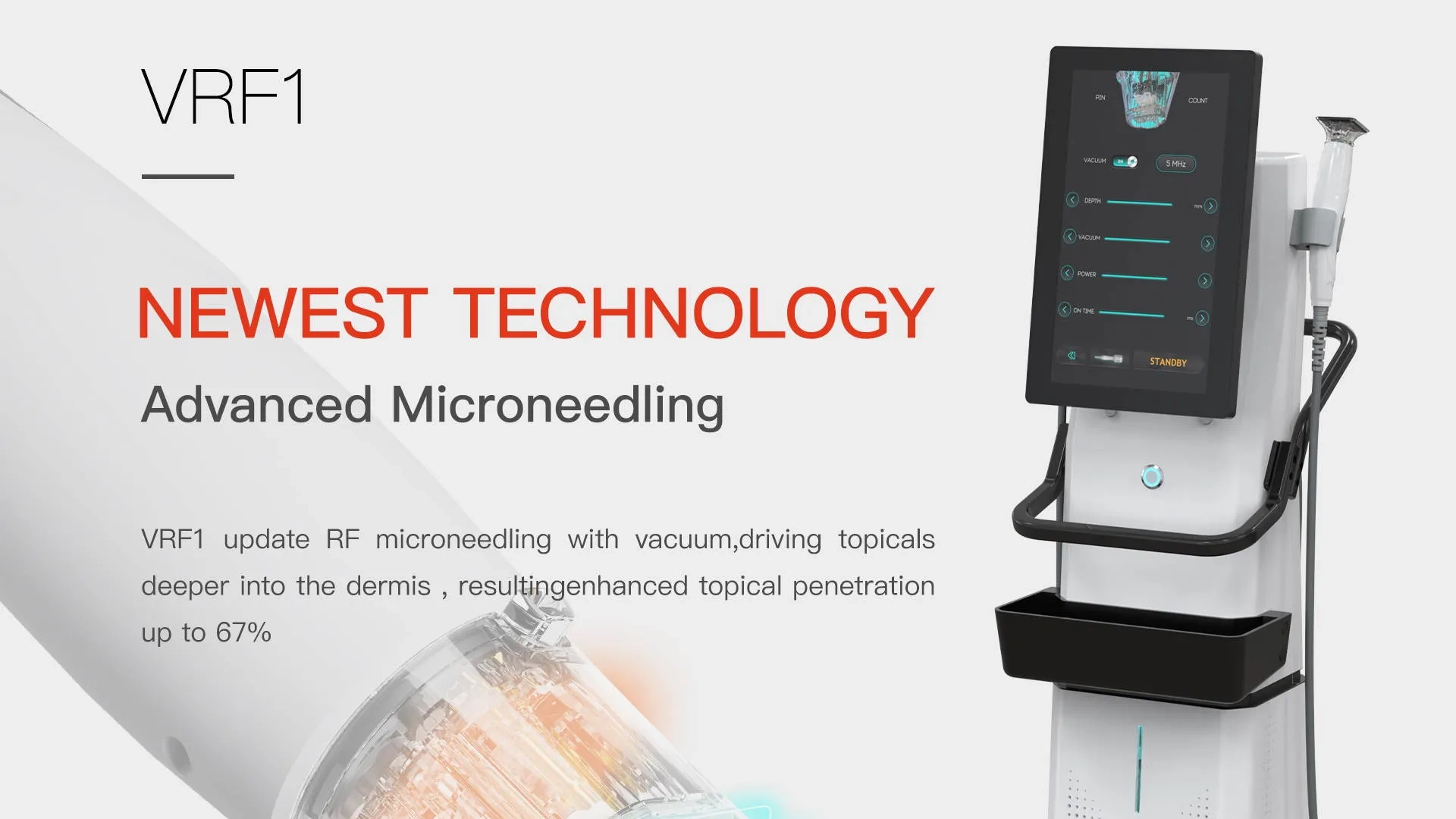
RF microneedling machines take the same basic idea and upgrade it with radiofrequency energy delivered right through the needle tips. When the needles go in, controlled heat is released into the dermis. That heat tightens existing collagen fibers almost instantly (a bit like pulling loose threads together) and then triggers long-term remodeling.
For clinics, this opens several advantages that standard microneedling simply can’t reach:
- Stronger wrinkle reduction and real skin tightening, not just improved texture.
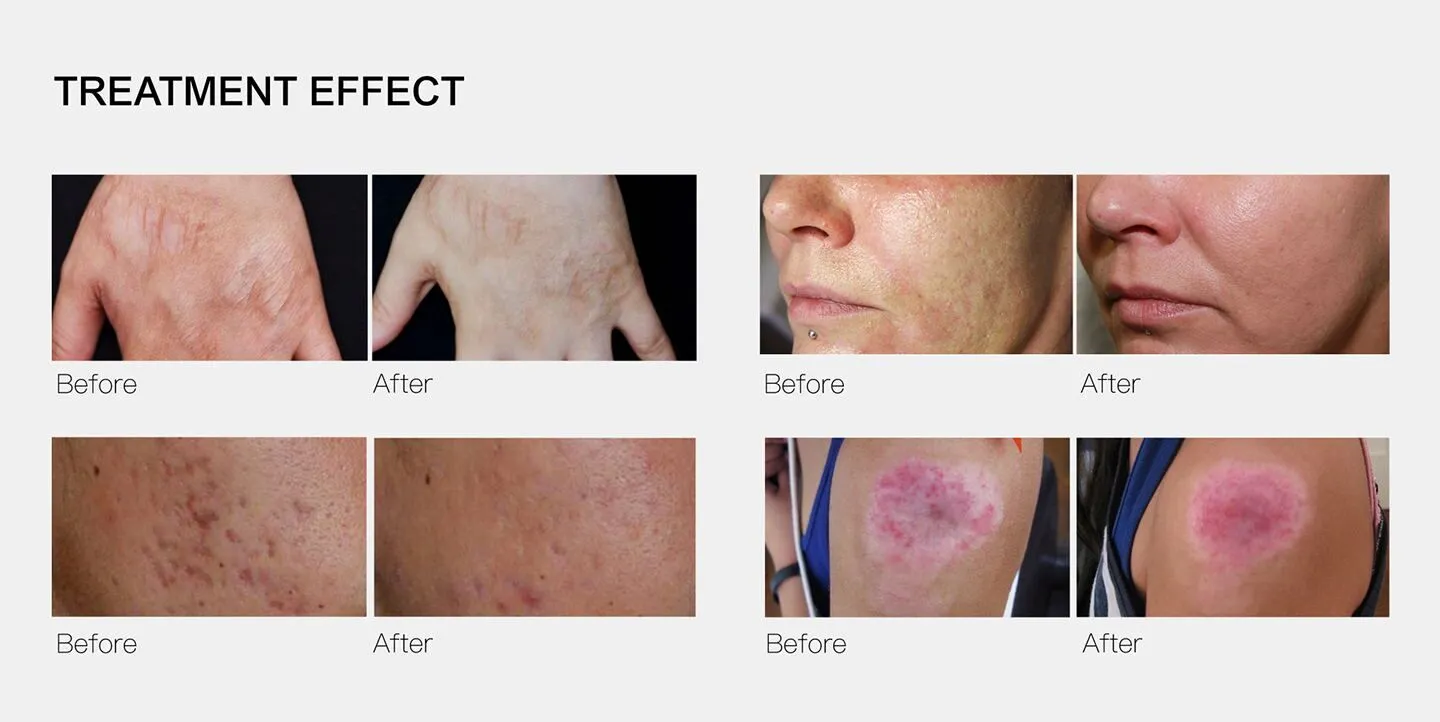
- Better treatment of acne scars, especially those deeper, uneven areas that need more dermal remodeling.
- Adjustable depth, RF energy, and pulse duration, so each patient gets a customized, not one-size protocol.
- Safer access to deeper dermal layers, something mechanical needling alone can’t do well.
A small but important point: RF microneedling machines are generally considered “color-blind,” meaning they are safe for all Fitzpatrick types. Many clinics serving darker-skinned patients rely on RF when CO2 lasers feel too risky for post-inflammatory hyperpigmentation.
On the business side, clinics notice other perks: fewer sessions, happier patients, better turnover of appointment slots, and the freedom to charge premium prices because the results actually justify it. Devices that treat effectively in three or four visits tend to pull in more referrals—patients talk when something works.
Treatment Context and Comparisons
Fractional CO2 lasers, for example, can be powerful but come with downtime and pigmentation risks for darker skin tones. RF microneedling treatment avoids most of that because the energy works below the surface.
Some clinics compare the “efficiency jump” from standard to RF microneedling to how 10 Hz or 20 Hz sliding modes in laser systems cut treatment time. Different technologies, of course, but the idea is similar: more output in less time.
And when looking at equipment options—say, comparing RF microneedling to high-power diode lasers (those 3000W units that finish hair removal in 3–5 sessions)—it becomes clear that each device fills a different role. Diode laser wavelengths like 755nm, 808nm, 940nm, and 1064nm focus on hair removal. RF microneedling is all about structural skin rejuvenation: texture, scars, firmness.
A well-rounded aesthetic clinic usually ends up needing both types of systems. One fights unwanted hair; the other repairs the canvas underneath.
Choosing Between Standard and RF Microneedling
Clinics thinking about expanding their service menu often ask which device makes more sense. Standard microneedling works well and stays affordable. RF microneedling from Nubway, however, pushes the results into a different category—firmer skin, smoother scars, fewer visits.
The real decision usually ties back to the clinic’s positioning:
basic rejuvenation service, or premium-grade corrective treatments with higher revenue potential?
RF machines tend to favor the second group.
FAQ
Q: What is the main difference between an RF microneedling machine and a standard microneedling device?
A: Standard microneedling relies on mechanical micro-injuries. An RF microneedling machine adds controlled heat through the needle tips, leading to stronger collagen remodeling and firmer results.
Q: How many treatment sessions are typically needed with an RF microneedling machine?
A: Most patients see their best improvement after 3–4 sessions spaced about a month apart. Standard microneedling may require 6–8 sessions for a similar level of change.
Q: Is an RF microneedling machine safe for all skin types?
A: Yes. Because RF targets the dermis with minimal surface disruption, the treatment is considered “color-blind” and safe for Fitzpatrick I–VI—something fractional CO2 lasers can’t always claim.