
1. Introduction – Why Pulse Speed Is Now a Business Decision
Laser technology in aesthetic medicine used to be all about clinical results. Everyone wanted to know which device cleared pigment or resurfaced skin faster and safer. That was the old days. Today, the game has changed. Clinic owners now ask a different question: which machine actually makes me more money? Picosecond lasers arrived with big promises—faster clearance, more indications—but they also come with a much bigger price tag. The truth? Picosecond devices can deliver outstanding results in certain cases. However, nanosecond lasers are far from dead. Knowing when to use each one is what separates profitable clinics from those that just bleed cash.
2. The Basics That Drive Revenue – Understanding Pulse Duration from a Profit Perspective
2.1 What Pulse Duration Really Means
Pulse duration is simply how fast the laser fires its energy. Picosecond lasers fire in trillionths of a second. Nanosecond lasers fire in billionths of a second. That makes picosecond roughly 10 times faster. Speed affects both treatment results and your bank account.
2.2 How Shorter Pulses Translate into Fewer Sessions
A shorter pulse creates a stronger shockwave. The pigment literally explodes into tiny dust. Patients usually need 20–40% fewer visits for tattoo removal. Less time in the chair means you can see more people every day.
2.3 Thermal Relaxation Time and Margin Protection
Every target in the skin has a cooling-down period. If you heat it too long, you cause damage. Picosecond lasers work mostly with shockwaves instead of heat. Side effects like PIH or blisters drop sharply. Fewer complications mean fewer free touch-ups and happier margins.
Picosecond Platforms – The Premium Revenue Engine
3.1 How Picosecond Lasers Work
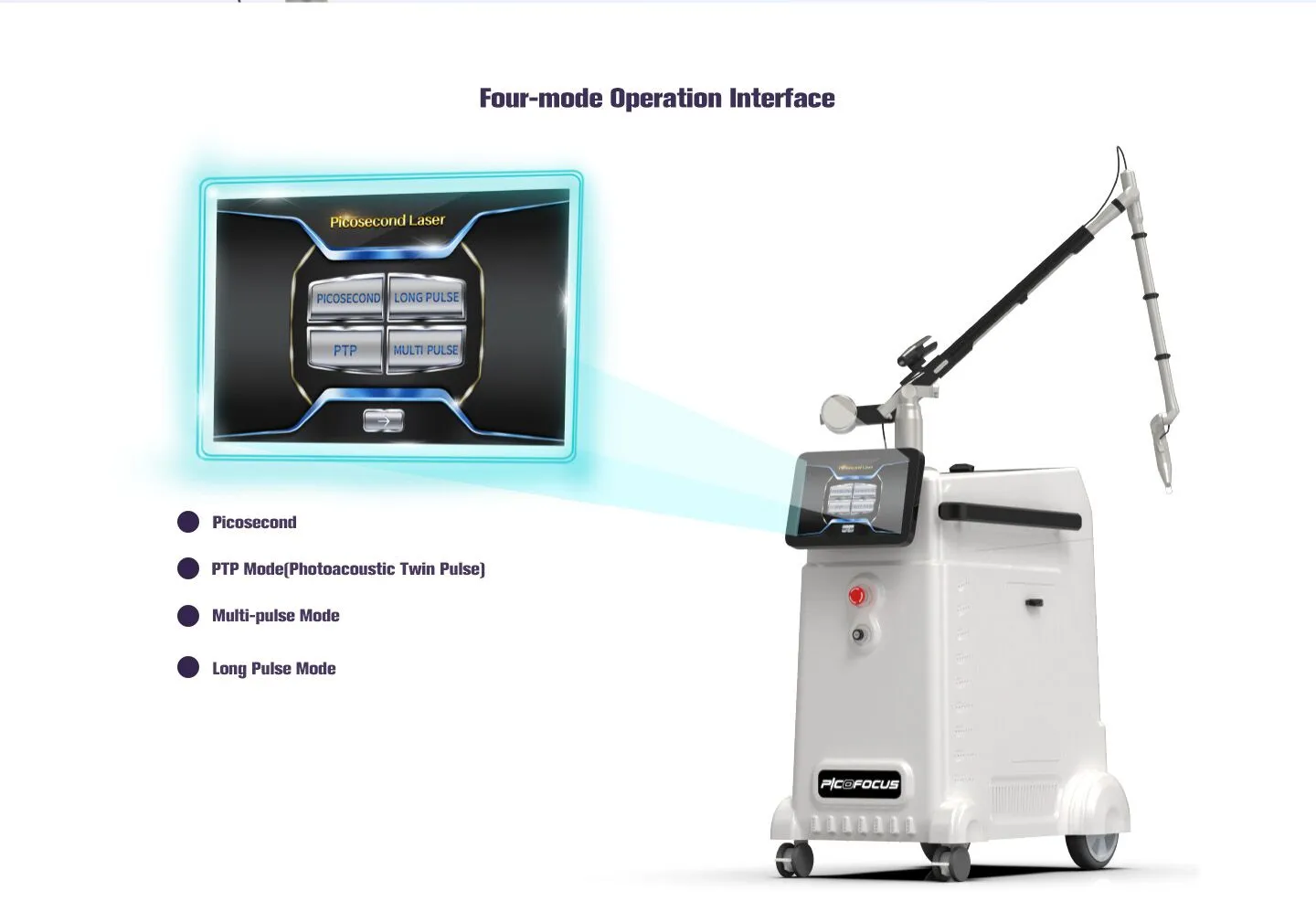
Nubway’s Picosecond laser machine creates Laser-Induced Optical Breakdown (LIOB). The energy forms tiny bubbles in the skin that collapse and shatter pigment. Very little heat is left behind.
3.2 High-Value Indications That Command Premium Pricing
Picosecond treatment shines on:
- Multi-color and stubborn tattoos
- Melasma and mixed pigmentation
- Acne scars and full-face rejuvenation in one pass
Patients gladly pay extra for faster, clearer results.
3.3 ROI Advantages That Matter to Owners
- Up to 40% fewer sessions for tattoos
- You can charge higher fees because it feels “next-generation”
- Before-and-after photos look amazing on Instagram
- Much safer on Fitzpatrick IV-VI skin, so you can treat more patients without worry
4. Nanosecond Platforms – The Reliable Cash Cow
4.1 Proven Nanosecond Mechanism
These lasers heat the pigment until it breaks apart. They are not as fast as picosecond, but they still get the job done for most common problems.
4.2 Where Nanosecond Still Dominates Profitability
Nanosecond wins on:
- Simple sun spots and lentigines
- Black or single-color tattoos
- Quick, low-cost treatments
The machines cost significantly less to buy and far less to service. Perfect for busy clinics that run on volume.
4.3 The Hidden Costs of Overusing Picosecond
Using the expensive machine on easy cases wastes money. You pay premium running costs for zero extra benefit.
5. Side-by-Side Comparison Table – The Numbers Clinic Owners Care About
| Metric | Picosecond Laser | Nanosecond Laser |
|---|---|---|
| Pulse Duration | Trillionths of a second | Billionths of a second |
| Primary Mechanism | Photomechanical (LIOB) | Photothermal |
| Avg # of Sessions (Tattoo) | 4–6 | 6–10 |
| Price per Session | Higher (premium pricing) | Lower (volume pricing) |
| Revenue per Complete Case | Higher total due to premium rates | Strong on volume cases |
| Machine Purchase Price | Significantly higher | Much more affordable |
| Yearly Maintenance Cost | Higher | Lower |
| Break-even Patient Count | Higher | Lower |
| Best ROI Scenario | Complex, high-ticket cases | High-volume simple cases |
6. Clinical & Business Decision Framework – Matching Technology to Your Patient Mix
6.1 Which Patients Justify the Picosecond Premium
Go picosecond for multicolor tattoos, melasma, acne scars, or darker skin patients who want minimum risk.
6.2 When Nanosecond Delivers Higher ROI
If most of your day is filled with basic brown spots and black tattoos, the cheaper nanosecond machine makes you more money.
6.3 Hybrid Clinic Model: Best of Both Worlds
The smartest clinics own both. Use nanosecond for bread-and-butter work. Save the picosecond for the big-ticket, complex, or darker-skin patients.
6.4 Real-World Breakeven Math: Year-by-Year Comparison
Picosecond takes longer to pay off because of the higher initial investment. Once marketing and referrals kick in, it quickly becomes the higher-margin device. Nanosecond keeps cash flowing from day one with lower overhead.
7. Protecting Your Investment – Minimizing Risks That Eat Profit
7.1 Pre-treatment Assessment = Fewer Refunds
Check skin type, pigment depth, and expectations upfront. Avoid treating people who won’t respond.
7.2 Reducing PIH Claims on Darker Skin Types
Less heat from picosecond means far fewer PIH problems on brown and black skin.
7.3 Downtime = Lost Rebooking Opportunities
Patients heal faster with picosecond. They come back sooner. Your schedule stays full.
8. Conclusion – Faster Pulses, Higher Margins (When You Choose Wisely)
Picosecond lasers crush it on difficult, expensive cases. Nanosecond lasers remain kings of routine, high-volume work. The real money is made by matching the right machine to the right patient and the right price. Clinics that master this simple rule leave everyone else behind. In the end, it’s not about how fast your laser is. It’s about how smart you are with it.
FAQ
Q: Which laser gives better ROI overall – picosecond or nanosecond?
A: Neither wins every time. Picosecond earns more on complex, high-price cases. Nanosecond earns more on simple, high-volume work because it costs much less to own.
Q: How many fewer sessions does a picosecond laser really need for tattoo removal?
A: Usually 4–6 sessions instead of 6–10. That’s 30–40% less chair time.
Q: Can I charge more per session with a picosecond laser?
A: Absolutely. Patients happily pay a premium for “the latest technology” and quicker, safer results.
Q: Should my clinic buy a picosecond laser, a nanosecond laser, or both?
A: Most growing clinics make the most money with both. Run daily volume on the cheaper nanosecond unit. Reserve the picosecond for premium cases and darker skin patients.