
MPT HIFU vs Traditional HIFU: What Has Changed for Modern Clinics
HIFU technology has moved beyond a simple comparison of maximum energy and treatment depth. Modern clinics must evaluate energy delivery, treatment-line planning, client experience and result documentation. MPT systems introduce different output patterns and workflow possibilities, but a newer label does not automatically prove better clinical outcomes. The useful comparison is between verified configuration, operator control, evidence quality, training and service support.
How Has HIFU Technology Changed from Traditional Systems to MPT?
HIFU technology focuses ultrasound energy at selected tissue depths while limiting disruption at the skin surface. The operator chooses the treatment area, applicator, depth, line placement and energy according to the system instructions and client assessment. These fundamentals remain important whether a clinic uses an established platform or evaluates a newer MPT configuration.
What Does Traditional HIFU Deliver?
A traditional HIFU treatment machine commonly delivers a sequence of focused energy points along planned treatment lines. Results depend on more than the machine name: client selection, anatomy, treatment planning, contact, operator technique and follow-up all matter. Published reviews support the use of focused ultrasound for selected tightening applications, while also showing variation between studies, protocols and assessment methods.
“Traditional” should not mean obsolete. An established HIFU machine may offer dependable controls when operators understand the system and use clear protocols. Buyers should compare applicators, available depths, energy controls, maintenance requirements and destination-market documents instead of assuming that age determines value.
What Does an MPT HIFU Machine Change?
An MPT configuration changes the way treatment output can be organised. The Nubway configuration includes micro-pulse operation and an S-shaped output intended to reduce repeated repositioning. These are workflow features to test in a demonstration, not automatic evidence of faster biological response or a better result for every client.
When assessing a new HIFU machine, clinics should ask how each mode changes line placement, shot delivery, treatment time, operator movement and client feedback. The comparison should use the same treatment area and a documented test protocol. A marketing term is useful only when staff can connect it to a repeatable clinical task.
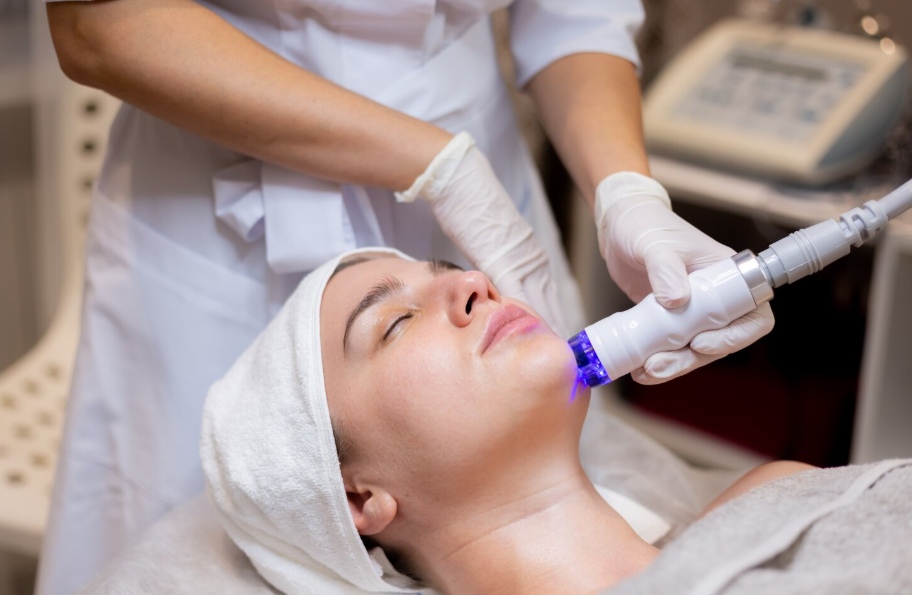
What Should Clinics Expect from the HIFU Results Timeline?
A responsible HIFU results timeline separates immediate observations from later assessment. HIFU technology studies often evaluate change over weeks or months, and the timing varies by protocol and measurement method. Clinics should avoid promising that a particular output mode will create a fixed result by a fixed date.
What Can HIFU Results After 1 Session or 1 Week Show?
Searches for HIFU results after 1 session often imply that one appointment should provide a final answer. In practice, an early review is better used to record comfort, temporary skin response, symmetry and whether aftercare instructions were followed. It can also identify concerns that require professional review.
Photographs of HIFU results after 1 week may document an early checkpoint, but they should not be presented as the completed response. Consistent lighting, camera distance, angle, posture and facial expression are essential. Without those controls, apparent change may come from photography rather than treatment.
Why Are HIFU Results After 3 Months More Useful for Comparison?
Evaluating HIFU results after 3 months gives a clinic a later comparison point that is more aligned with the follow-up periods used in many studies. It still does not guarantee that every client will improve by the same amount. Age, tissue condition, treatment area, settings and individual response can influence what is observed.
Credible HIFU before and after records should include the baseline date, treatment area, system, applicator, settings, operator and follow-up interval. Clinics should separate objective records from client satisfaction and should retain both. This makes consultations more transparent and helps a team review its own protocol without turning selected photographs into universal promises.
How Should a Modern Clinic Evaluate a New HIFU Machine?
Selecting a new platform is a clinical and operational decision. HIFU technology must fit the clinic’s intended services, trained staff, treatment-room layout, documentation process and maintenance capacity. A short demonstration that focuses only on screen design or headline speed is not enough.
Which Workflow Features Matter More Than a Speed Claim?
During a demonstration, staff should test applicator changes, treatment-line planning, parameter visibility, handpiece balance, contact checks, emergency controls, cleaning and fault messages. Ask the supplier to explain which functions are standard, which are optional and which depend on a specific cartridge or handpiece.
A clinic evaluating a HIFU treatment machine should also request the exact intended use, operator instructions, maintenance schedule, warranty process, consumable information and applicable destination-market documents. Portfolio-wide certification statements must not be treated as proof for the exact model under review.
How Do HIFU Aftercare Questions Affect Clinic Operations?
Clear HIFU aftercare is part of equipment implementation. Staff need a consistent process for recording expected temporary responses, identifying unexpected symptoms, giving skin-care guidance and explaining when a client should contact the clinic. The instructions should match the exact treatment protocol rather than a generic online checklist.
The question can i wear makeup after HIFU should therefore be answered through the provider’s assessment and post-treatment instructions. There is no responsible universal answer for every client and every skin response. If the treated area is irritated or the provider advises waiting, that guidance takes priority over convenience.
How Can Nubway Support a Modern HIFU Technology Upgrade?
Nubway offers an MPT HIFU platform for professional aesthetic settings. The current configuration combines micro-pulse operation with an S-shaped output approach designed to support a more continuous workflow. Clinics should confirm the exact applicators, treatment depths, operating modes, electrical requirements and included accessories during a demonstration and in the final quotation.
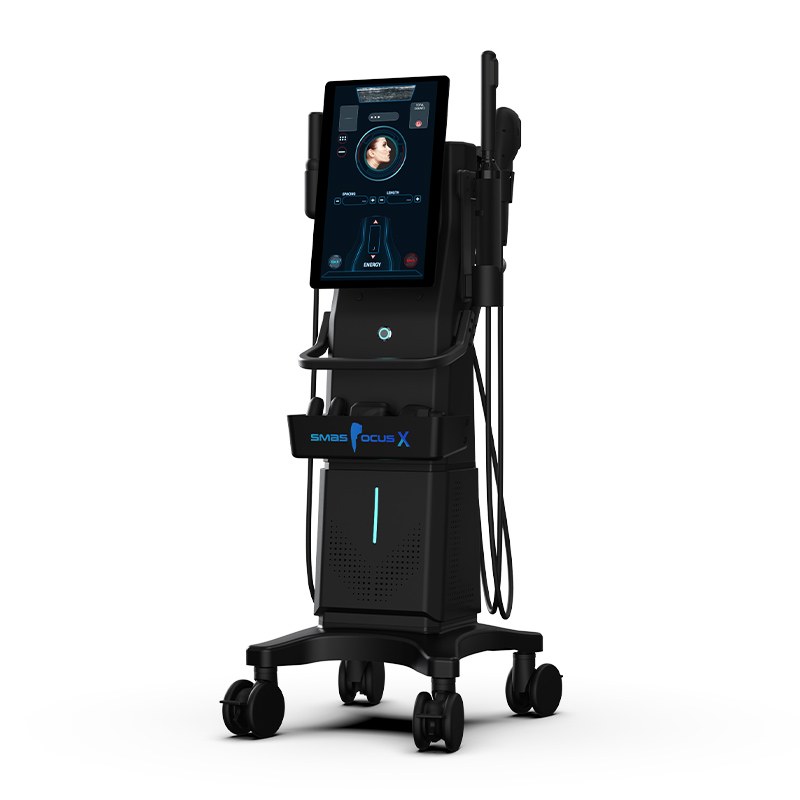
Which MPT Features Should a Clinic Verify in a Demonstration?
The demonstration should show how the MPT mode differs from conventional line delivery, how operators select and monitor parameters, and how the system behaves across the clinic’s intended treatment areas. Staff should test repositioning, treatment consistency, interface logic and cleaning rather than accepting a speed or comfort statement without context.
We should also be asked to identify which claims apply to the exact configuration being quoted. A professional HIFU machine purchase should be based on documented functionality and operator suitability, not an assumption that every MPT-labelled system performs identically.
What Training and After-Sales Questions Should Buyers Ask?
Nubway records remote one-to-one machine training and after-sales engineering support. A buyer should confirm the training language, participants, duration, protocol coverage, troubleshooting scope and access to refresher guidance. Installation, warranty exclusions, response targets, spare parts and escalation contacts should be written into the purchasing record.
For distributors, training materials and support geography are as important as the device itself. Buyers should ask how software or configuration changes are communicated and how service records are maintained. These questions turn a product enquiry into an implementation plan.
FAQ
Q: When Do HIFU Results After 1 Session Become Clear?
A: HIFU results after 1 session should be reviewed through scheduled follow-up rather than a guaranteed deadline. Early observations may be recorded within days, while a later assessment can provide a more meaningful comparison. Timing and response vary by client, area, system and protocol.
Q: Can I Wear Makeup After HIFU?
A: For can i wear makeup after HIFU, follow the clinic’s instructions and the condition of the treated skin. If irritation is present or the provider recommends waiting, do not apply make-up until the area is suitable.
Q: Is Every New HIFU Machine an MPT System?
A: No. A new HIFU machine may use conventional line delivery, micro-pulse modes or another documented configuration. Buyers should verify the output design, applicators, intended use and exact model information before comparing systems.