
Does IPL Hair Removal Really Work? The Ultimate At-Home IPL Guide for 2026
IPL hair removal is often presented as a simple at-home routine, but the technology, treatment schedule, skin response, and device instructions all affect the decision. A professional clinic also has to consider hand tools, cooling, wavelength information, operator training, records, and local compliance. This 2026 guide explains what readers can reasonably expect from IPL treatment and where a professional platform differs from a consumer home device.
How Does IPL Hair Removal Work?
IPL uses controlled pulses of broad-spectrum light as part of a hair-removal workflow. The treatment is planned around the area, the device settings, the hair and skin characteristics, and the provider’s instructions. A course is not the same as a single guaranteed event in which all hair disappears permanently.
What Should Realistic IPL Results Look Like?
Results from light-based hair reduction should be assessed through consistent photographs, treatment records, regrowth observations, and the client’s reported experience. A useful record notes the area, date, settings, preparation, and any temporary skin response.
Why Does an IPL Treatment Schedule Matter?
An IPL treatment schedule gives the provider a structured way to review regrowth and decide whether another session is appropriate. Hair does not appear to be in one identical growth phase at the same time, so one appointment cannot represent the full treatment experience. Exact intervals depend on the device instructions, treatment area, settings, skin response, and professional judgement.
A treatment schedule should mean a documented plan with review points, not an automatic promise that every user follows the same calendar.

How Long Do IPL Results Last?
Questions about IPL hair removal duration concern maintenance, regrowth, and individual response. A responsible answer avoids a fixed duration unless the exact device and evidence support that number.
Is IPL Treatment Permanent or Not?
Is IPL treatment permanent or not? The safest general answer is that permanence should not be promised universally. Some users may see reduced regrowth after a planned course, while maintenance can still be relevant. Hair colour, area, skin characteristics, settings, adherence, hormonal factors, and individual biology can all affect the observed result.
A permanent-or-not question should lead to a consultation about realistic goals, not a binary sales promise. A clinic should use the exact device documentation and applicable local rules when describing results.
How Long Do IPL Results Last for Different Users?
How long do IPL results last? There is no responsible single answer for every user in every area. A better approach is to record when regrowth becomes noticeable, whether maintenance is requested, and whether the treatment goal remains appropriate. That record can support a more honest discussion about duration than a generic month count.
Home users should follow the consumer device instructions. Clinic operators should retain treatment records and avoid transferring a home-use schedule to professional equipment.
What Should You Do Before and After an IPL Session?
Preparation and aftercare should follow the exact device and provider protocol. Online advice cannot replace a skin assessment, an instruction manual, or a professional decision about whether a session should proceed.
Do You Shave Before an IPL Session?
Do you shave before an IPL session? Do you need to shave before treatment? These are common preparation questions, but the correct process depends on the exact device, treatment area, and provider instructions. A clinic may ask for a specific preparation method so that the surface hair does not interfere with the planned light treatment. The reader should not substitute waxing, plucking, or a different preparation routine without checking the protocol.
Read the exact instructions, disclose recent sun exposure or skin products, and ask what preparation is required.
Which Aftercare Checks Help Interpret IPL Results?
Aftercare should include following the provider’s instructions, observing the treated area, recording any unexpected response, and postponing another session if the provider advises review. Results should be judged over the planned course rather than immediately after one appointment. A clinic can improve decision-making by using standard photographs, consistent lighting, and a written record of settings and aftercare advice.
How Should Clinics Compare Professional IPL Equipment?
When a clinic evaluates professional IPL equipment for IPL hair removal, the comparison should go beyond a headline “at-home” claim. Buyers should review treatment modes, hand tools, spot size, cooling, wavelength information, screen controls, electrical requirements, intended use, training, service access, and documentation.
Which IPL Modes and Hand Tools Support a Broader Clinic Menu?
Verified IPL solutions include IPL, SHR, and E-light modes, along with selectable hand tools and different listed working ranges. These features may help a clinic plan a broader service menu, but a multi-mode platform does not mean every mode suits every client or every treatment area. Operators still need training, screening, and a protocol for each service.
Why Do Cooling, Spot Size and Documentation Matter?
Cooling, spot size, and documentation are practical purchase fields. The verified pages list cooling systems, a 15x50mm spot size, selectable hand tools, and wavelength information. A buyer should verify how those fields relate to the intended service, how the device is maintained, what training is included, and which documents apply to the destination market.
How Does Nubway Support Professional IPL Decisions?
Nubway’s verified Portable IPL Machine and IPL Skin Rejuvenation Machine are professional IPL platforms featuring multiple treatment modes, including IPL, SHR, and E-light, along with selectable hand tools, cooling systems, a 15×50mm spot size, and various wavelength options. These configurations are designed to support professional clinic applications, rather than indicating that the devices are intended for consumer at-home use.
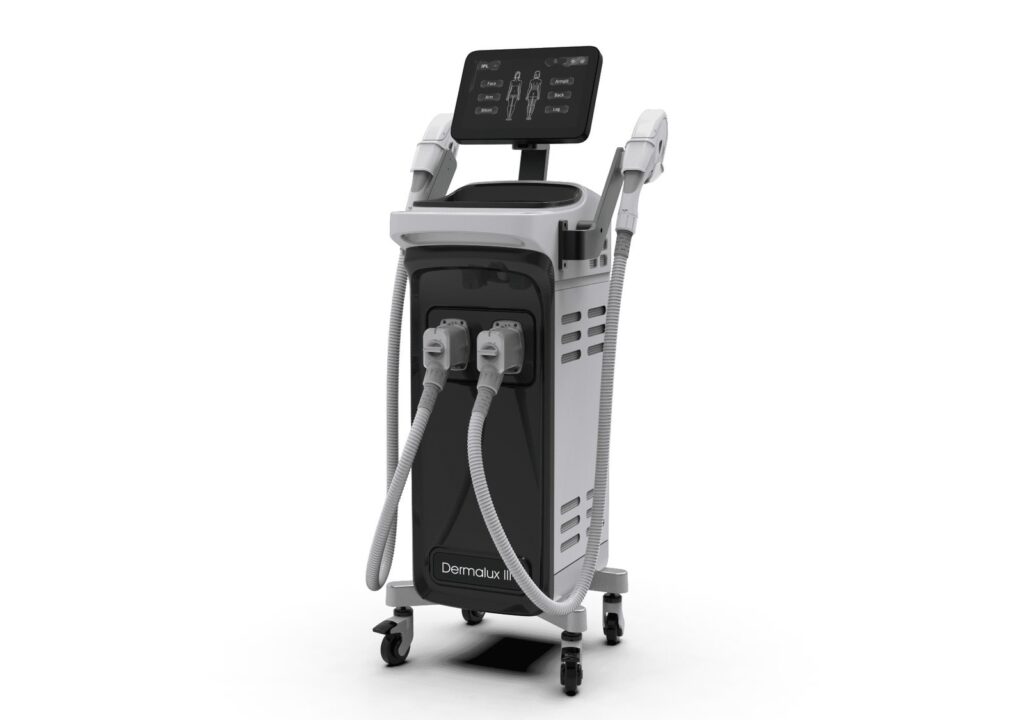
For a B2B buyer, the decision should connect the IPL platform to room workflow, training, documentation, maintenance, and the service menu. We record remote training, after-sales support, and OEM/ODM capabilities. A distributor or clinic can use those points to prepare an enquiry while requesting model-specific evidence.
When Should a Clinic Consider the Nubway Portable IPL Machine?
The Portable IPL Machine may be worth evaluating when a clinic needs IPL, SHR, and E-light modes, selectable hand tools, cooling, and a documented professional workflow. The buyer should confirm the exact configuration, voltage, intended use, training, warranty, and destination-market requirements before purchase.
Could the Nubway IPL Skin Rejuvenation Machine Fit a Multi-Treatment Clinic?
The IPL Skin Rejuvenation Machine may fit a clinic that wants a multi-mode platform, but the decision should be based on the planned service menu and operator competence. The clinic should verify every wavelength, hand tool, setting range, maintenance requirement, and applicable document rather than assuming a broader menu guarantees results.
FAQ About IPL Hair Removal
Q: How long do IPL results last?
A: Duration varies by area, device, schedule, preparation, maintenance, and individual response. Record regrowth and review the planned course instead of relying on a universal month-based promise.
Q: Do you need to shave before an IPL session?
A: Follow the exact provider or device instructions. Preparation can differ by area and platform, so do not replace the recommended routine with waxing, plucking, or another method without checking first.
Q: Is IPL treatment permanent or not?
A: Permanent results should not be promised universally. Some people may experience reduced regrowth, but maintenance and individual variation remain relevant.