
Emerging Technologies in LED Light Therapy
Advancements in Wavelength Customization
In 2026, the growth of LED light therapy devices keeps focusing on better control and accuracy, especially in wavelength adjustment. Today’s beauty tech options now provide changeable wavelengths. These target specific skin issues like acne, dark spots, and aging signs. This kind of detail lets experts and home users tweak sessions for the best results.
Multi-color LED setups are turning into a common option. They allow sending out red, blue, and near-infrared light at the same time. As a result, people can handle several problems—like swelling, germ buildup, and collagen breakdown—in just one go. Users save time this way. They also get fuller benefits. Better accuracy from light tuning lowers the chance of bad reactions too. For example, it cuts down on dark spots or swelling from too much exposure to some light types.
These changes reflect the way in more intense skin procedures where “concentrated light beams from this laser are absorbed by the water in skin cells, vaporizing them”. LED therapy works at a gentle, non-damaging level. Yet, the idea of light affecting skin tissue to spark natural reactions stays key to its success.
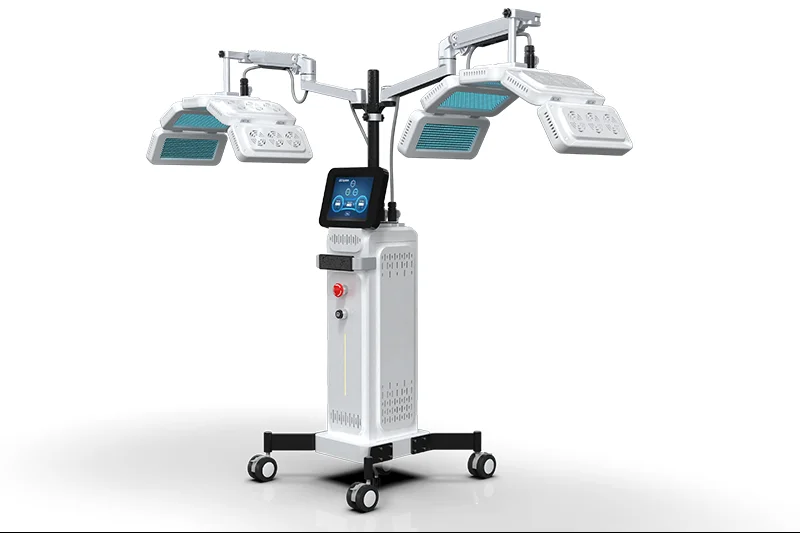
Integration of AI and Smart Sensors
Artificial Intelligence and instant body feedback are changing the LED light therapy field. Devices today include AI-based skin checks. These measure moisture levels, color intensity, and tenderness before every use. The info helps adjust light strength, time length, and wavelength to fit the person’s latest skin state.
Smart sensors built into masks or portable tools watch skin heat and protective layer reaction while in use. They ensure safety. At the same time, they boost treatment results. These sensors spot issues like too much dryness or redness too. Then, the device tweaks settings on its own or stops the session.
Data gathered over months lets AI systems update plans based on ongoing patterns. For instance, they consider yearly weather shifts or body cycle changes. This ongoing tailoring keeps treatments useful. It works even as the skin changes with time.
Wireless and Portable Device Innovations
Easy-to-carry features are becoming a main trait for 2026’s best LED light therapy tools. Battery-powered, no-cord styles are now widespread. They free users from fixed treatment areas. Beauty tech firms are releasing bendable LED masks and small panels. These store simply or work well on trips.
Such updates make LED sessions possible not just at home. They also fit in offices, relaxation spots, and even short rides. Bendable units keep strong light sources without losing bendiness or toughness. The chance to stick to a steady skincare plan—anywhere—greatly improves sticking with it and outcomes.
Shifting Buyer Preferences in 2026
Demand for Multi-Functionality in Devices
Current shoppers want tools that handle many tasks and mix various skincare methods into one piece. LED therapy units that add mild electric pulses, muscle zaps, or heat waves are rising in favor. They offer combined perks like better fluid flow and firmer muscles along with light-based healing.
All-in-one picks cut the need for extra items. They save money and room. This mix draws city workers most. They value quickness and ease in daily care. Plus, combined units smooth the process. They provide one set of steps via phone app guides.
Emphasis on Clinical-Grade Performance at Home
Beauty tech buyers today want pro-quality results from home gadgets. Strong LEDs that match clinic ones are a big draw. Shoppers no longer settle for basic red or blue lights. They look for exact power levels supported by skin doctor approvals and real studies.
Open details on results—like gains in collagen buildup or acne spot drops—build strong trust in brands. Units with FDA-approved parts or CE-marked tech attract a lot. The push for home pro care shows wider changes in health shopping. Self-done treatments are getting more common.
Rising Interest in Preventative Skincare Solutions
A fresh group of young users is pushing need for early LED light therapy. They don’t wait for clear aging marks or breakouts. Instead, they use blue light to control oil and stop clogged pores ahead of time. In the same way, soft red light helps skin fix itself before tiny wrinkles show.
This forward-thinking style turns LED therapy from a fix into a regular health habit. Long-range skin wellness is now a main selling point for smart skincare companies. They aim at younger crowds like Millennials and Gen Z. These folks get swayed by app-based tracking of skin shifts. It stresses starting early.
Market Trends Influencing Product Development
The Role of Social Media and Influencer Endorsements
Social media keeps acting as a strong driver in guiding how people act toward LED light therapy. Content creators on sites like YouTube and Instagram often post guides and progress photos. These show fresh tech and how-to tips. Such friend-like nods create trust quicker than old ads.
Popular posts speed up use by explaining tough parts in easy, real-life stories. Unboxing clips, study shares, and live chats act as hidden teaching aids. They lower hurdles for beginners. As trust grows from group checks, companies team up with creators who stress openness and care.
Growth of Subscription-Based LED Therapy Models
The uptick in monthly plans marks a big change in delivering and earning from LED therapy. Companies now provide ongoing deals. These include top devices plus refill lotions made to pair with light sessions. Phone apps lead users through updating steps based on weekly reviews and AI tweaks.
This setup raises follow-through by giving clear habits and steady drive via fun progress trackers. It also brings steady income to makers. At the same time, it builds deeper ties with users through frequent contacts.
Regulatory Standards Driving Innovation
Stricter rules from groups like the FDA and CE are sparking better designs and building methods for devices. Tougher rules demand full records of safety checks, light precision, and heat output before okaying products.
Following these rules not only keeps users safe. It also stands out in the market. Items hitting medical-level marks often appeal more to doctors and smart buyers. Sharing study results—particularly those with clear strong effects—has turned into a key choice factor for shoppers.
“Smoother, healthier skin is revealed after this procedure, stimulating the body’s natural collagen synthesis by removing damaged or aging skin layers.” Though about laser smoothing, this line highlights the need for proven science in any light skin care—a rising worry for careful buyers. Devices from Nubway align with these standards, offering reliable innovations in LED therapy.
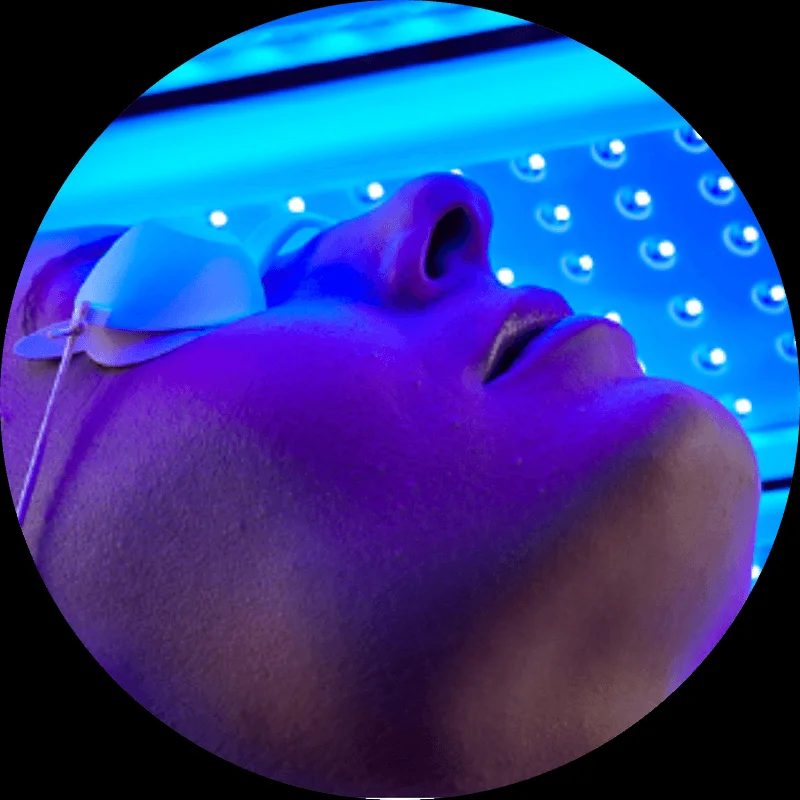
Future Directions in LED Light Therapy Innovation
Personalized Skincare Ecosystems Powered by AI
Ahead, AI will customize not just single uses but whole care systems across methods. Linking with online skin scanners will allow full plans fit to personal issues like hormone shifts or yearly dry spells.
Advanced setups will review outside factors (like sun levels, moisture in air) with body data to suggest prompt plan changes. Self-improving systems will update from gathered responses. Thus, each use gets better than before.
This method fits trends in exact health—where fixes match each person, not one-size-fits-all—and sets LED light therapy in a larger health plan.
Expansion Into Mental Wellness Applications
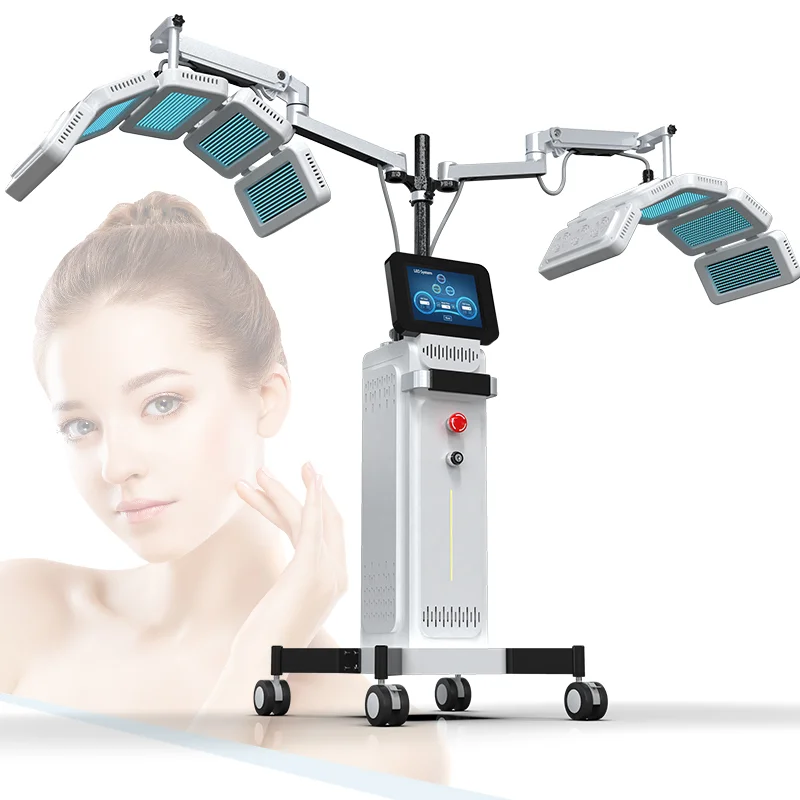
New studies are looking at how red and near-infrared light affect brain functions for mood balance and daily rhythm sync. Tools are starting to add parts for better rest and easing winter blues (SAD).
This mix of skin care and mind health points to a fresh area for LED tech: multi-use gadgets that aid looks and feelings. Light setups for morning boosts or night calm could soon join full health habits.
As beauty tech blends more into daily life, lines between beauty tools and healing ones fade. This grows LED light therapy’s reach past just skin surface.
FAQ
Q: What makes 2026 led light therapy devices different from earlier models?
A: 2026 led light therapy devices focus on wavelength customization, AI-powered skin analysis, and smart sensors. These upgrades allow treatments to automatically adapt to real-time skin conditions, improving safety, precision, and overall results compared to earlier fixed-wavelength devices.
Q: Is led light therapy safe for long-term and preventative skincare use?
A: Yes. Led light therapy works at non-damaging energy levels and is designed for repeated, long-term use. With built-in sensors and AI monitoring, modern devices reduce risks such as overexposure, making them suitable for preventative skincare routines as well as ongoing maintenance.
Q: Can at-home led light therapy achieve clinical-grade results?
A: Many 2026 devices now offer clinical-grade led light therapy performance at home. High-output LEDs, FDA- or CE-compliant components, and data-backed treatment protocols allow users to experience professional-level skincare results without visiting clinics.