
Freckles come in all sorts of shapes and shades, but dermatology usually sorts them into two buckets: ephelides and lentigines. Ephelides are the lighter ones — the small, dust-like spots that tend to show up after a sunny week and get quieter in winter. Lentigines, though, don’t behave that way. They sit deeper, look darker, and most people notice they stay all year, regardless of the season. Long-term sun exposure and age tend to “lock” them in.
Some folks love freckles and feel strange without them. Others want a clearer canvas. Whatever the reason, when people start searching how to remove freckles permanently, the same three options show up again and again: creams, IPL, and laser treatments.
They all go after melanin, but honestly, that’s where the similarity ends. In real treatment rooms, creams feel like the gentle, patient option; IPL is somewhere in the middle; lasers are the heavy hitters.
Where creams, IPL, and lasers overlap (just barely)
If we strip everything down, they share a few touchpoints:
- They work on extra melanin or try to slow new melanin from forming.
- They help the skin look clearer and less patchy.
- Results rely a lot on sun habits and how deep the pigment sits — something many people underestimate.
A quick mental shortcut clinicians often use:
- Creams → light, seasonal freckles
- IPL → mixed pigmentation and photodamage
- Laser → deeper, stubborn lentigines
It’s not a perfect rule, but it works most of the time.
Topical creams: the slow-and-steady path
Freckle creams don’t do anything magical. They contain ingredients like hydroquinone, retinoids, vitamin C, and tranexamic acid — nothing new for dermatologists. These either slow melanin production or help the skin shed pigmented cells more quickly.
Best for
Newer, lighter freckles. The stuff that appears after a summer trip, not the spots you’ve had for 10+ years.
Pros
- No downtime.
- Affordable and easy to use.
- Safe across nearly all skin tones.
Cons
- Need to keep using them or freckles creep back.
- Improvements are slow — sometimes painfully slow.
- Can’t reach deeper lentigines.
- Occasional irritation or rebound pigmentation if overused.
IPL: the broader approach
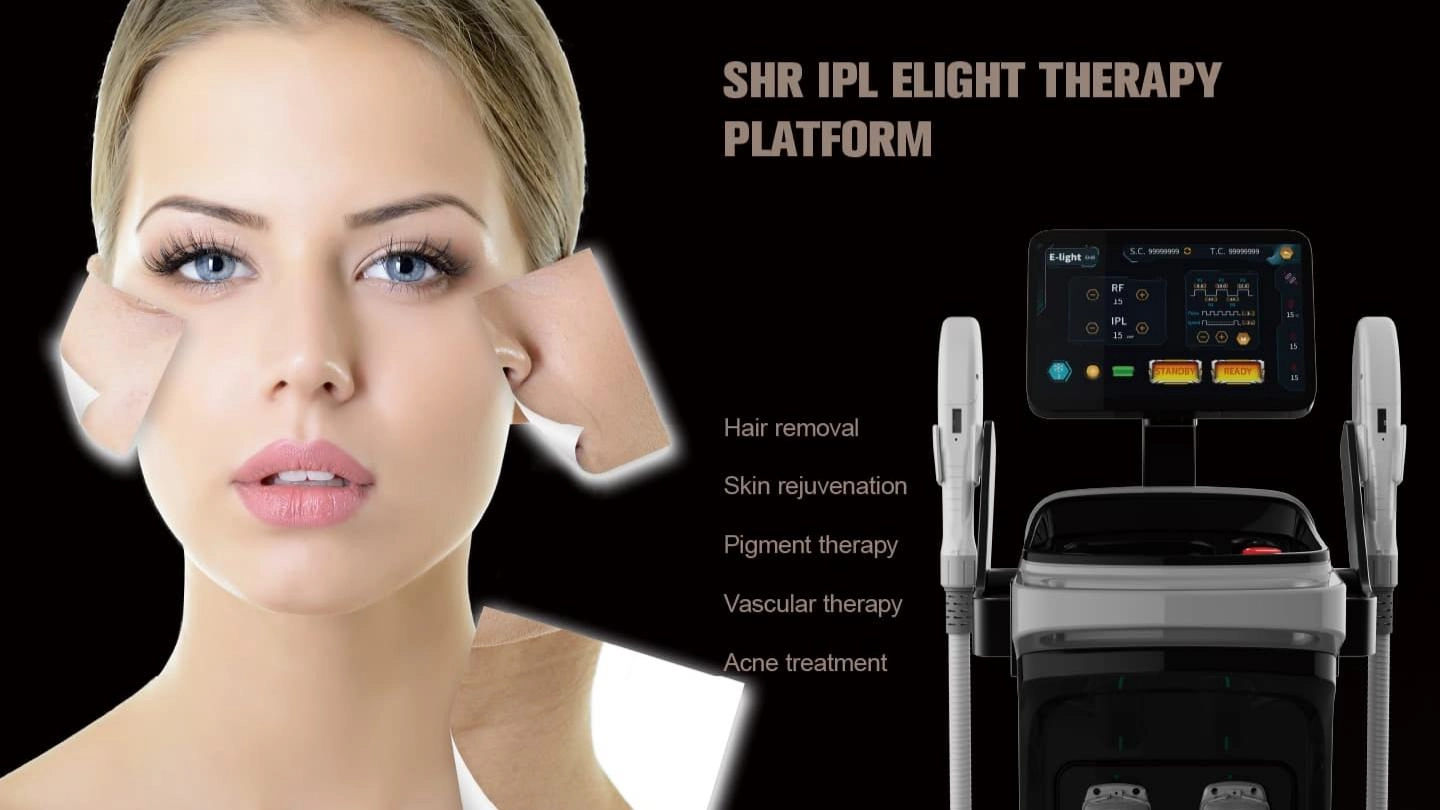
IPL machine uses a burst of broad-spectrum light. It’s not as “sharp” as a laser, but it spreads across a wider area and hits several pigment-related issues at once — freckles, sun spots, and a bit of redness.
Best for
Freckles near the surface, sun spots, and that general uneven tone from years of sun.
Pros
- Covers big areas fast (face, neck, chest).
- Redness usually fades within 24–48 hours.
- Good for overall brightening.
- Cheaper per session than most lasers.
Cons
- Usually requires 3–6 sessions.
- Results fade without regular SPF — freckles often return in 1–3 years.
- Not ideal for Fitzpatrick IV–VI.
Laser treatments: precision work
Lasers use one clean wavelength to target melanin, so the energy goes exactly where it’s needed. This is why lasers are often used for deeper pigmentation that other methods can’t reach. Clinics and device makers tend to treat them as the “serious” option.
Common lasers used
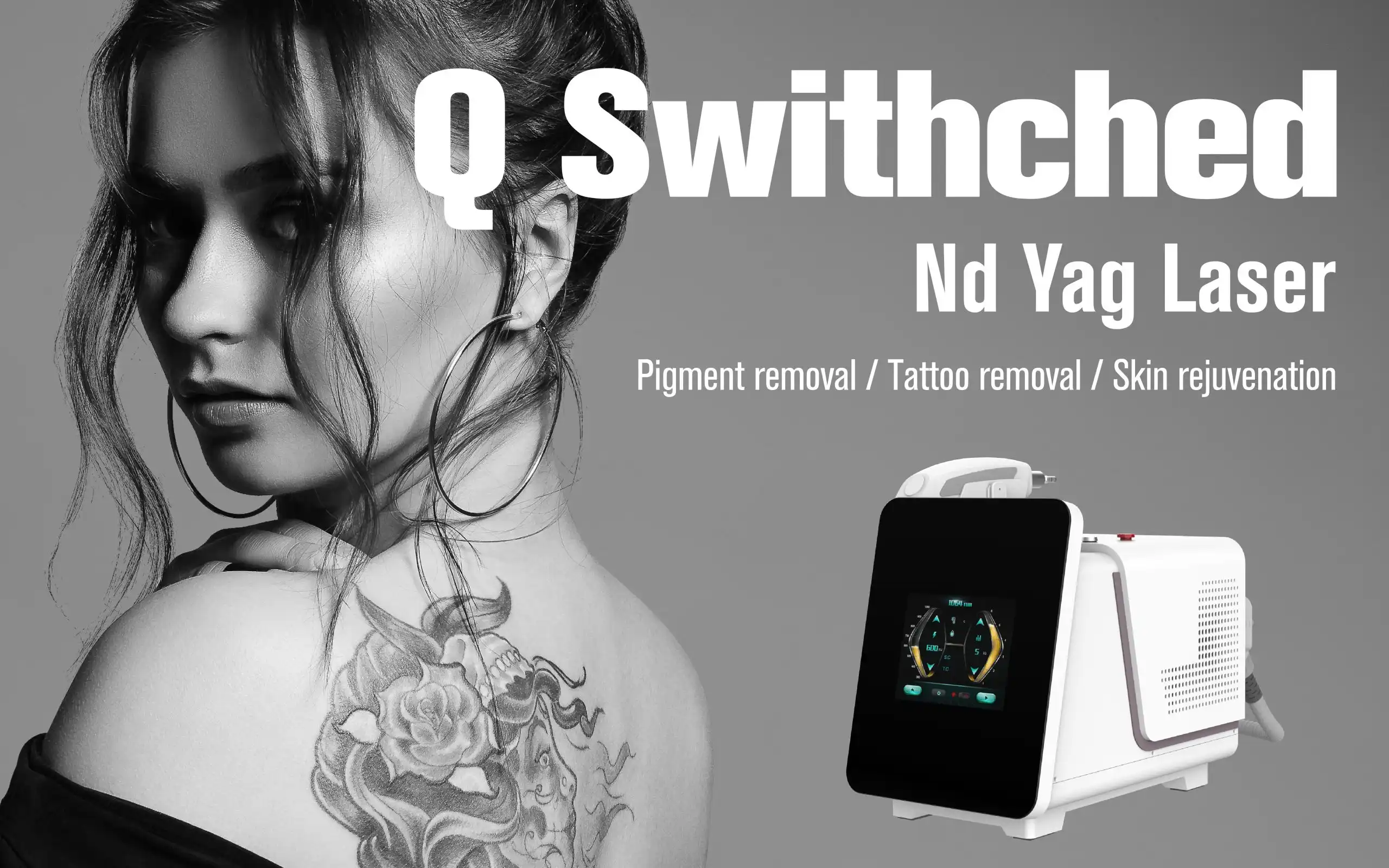
- Q-Switched Nd:YAG (532 nm / 1064 nm)
- Picosecond lasers
- Alexandrite 755 nm lasers
Each does something slightly different, but all can break up stubborn pigment much more effectively than creams or IPL.
Pros
- Long-lasting results — often permanent if SPF is consistent.
- Reaches pigment in deeper layers.
- Fewer sessions needed.
- Highly customizable.
Cons
- Higher upfront price.
- Tiny scabs or pepper-like spots can appear for a few days.
- Aftercare matters a lot — people who “forget” sunscreen usually regret it.
Longevity depends more on sun habits than most people think
Even the best laser won’t hold results if someone spends weekends outdoors without SPF 50+. One unexpected beach day can undo months of progress. Providers often mention this in the consultation room because people tend to focus more on the device and less on post-care — but the truth is both matter equally.
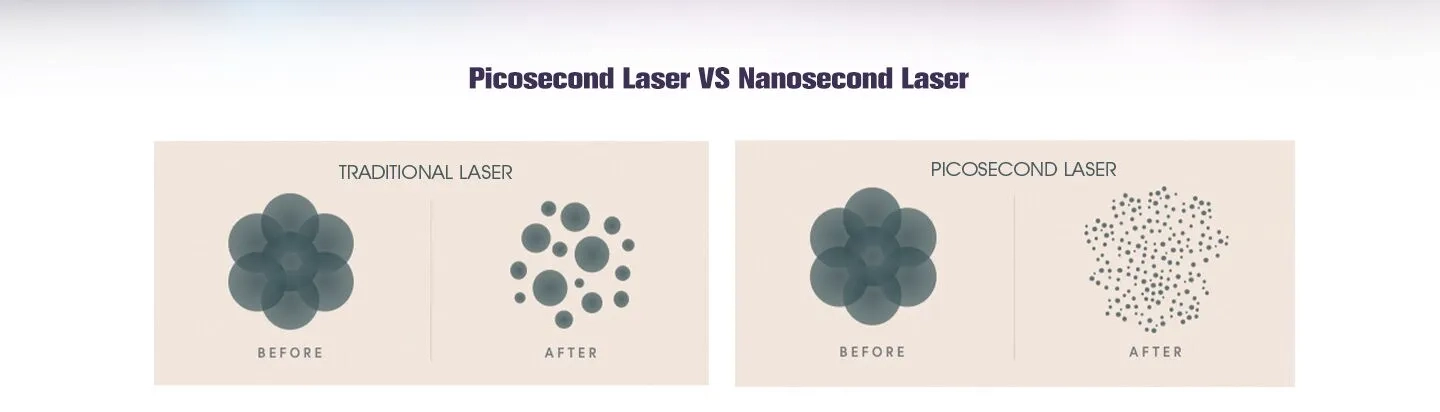
Settings and technique from Nubway matter too. For medium-to-dark skin tones, practitioners usually switch to 1064 nm Nd:YAG or picosecond 1064 nm modes because they’re safer and less likely to cause unwanted darkening.
Home-use devices generally don’t compare. They don’t have the power to reach deeper pigment, so they can lighten things temporarily, but rarely create real long-term change.
FAQ
Q: Laser, IPL or Creams, Which method lasts the longest?
A: Lasers. Picosecond and Q-switched devices, in particular, tend to remove freckles in 1–3 sessions, and many don’t return if SPF is consistent.
Q: Does IPL permanently remove freckles?
A: Not usually. IPL lightens freckles well, but it’s considered semi-permanent. Sun exposure often brings them back within a couple of years.
Q: Is laser safe for Asian or darker skin tones?
A: Yes, when the right wavelength is used. 1064 nm Nd:YAG and picosecond 755/1064 nm systems are widely used for Fitzpatrick IV–VI in professional environments.