
A picosecond is an extremely short moment in time — just one trillionth of a second (10⁻¹² seconds). To help you picture it: it’s a million times shorter than a nanosecond and a billion times shorter than a millisecond. In beauty and skin treatments, this super-fast pulse has completely changed how we treat pigmentation, acne scars, melasma, and tattoos.
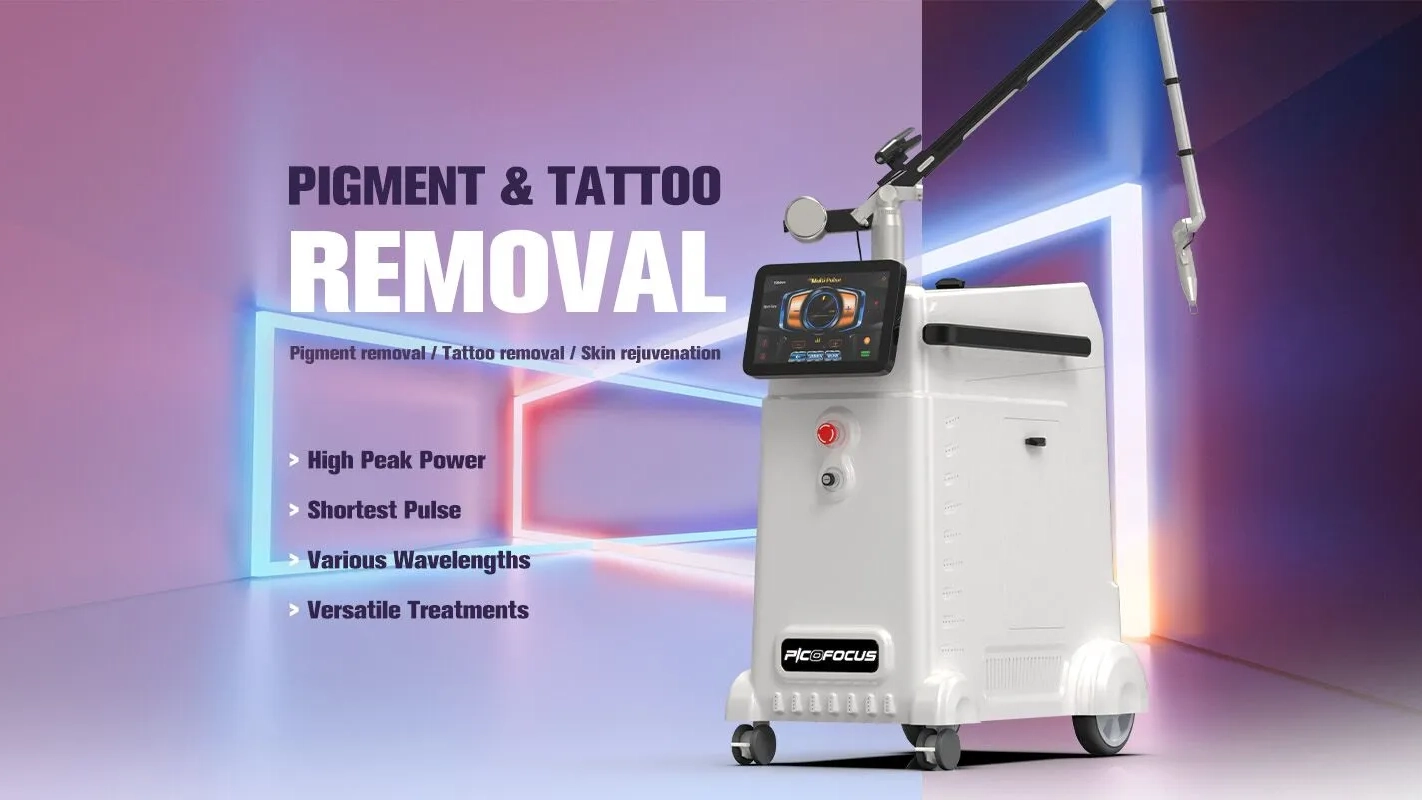
Traditional lasers mainly work with heat. Pico lasers from Nubway work differently. They use ultra-quick bursts of light. “Pico” means one trillionth. Imagine turning a light on and off a trillion times in one second. That’s what happens when the laser touches your skin.
This article explains what “how long is a picosecond” actually means for your skin, how it’s different from older lasers, and why the right speed matters for safe and good results.
Why Pulse Speed Matters More Than Most People Realize
Here’s what happens with different pulse lengths:
- Longer pulses (nanoseconds or milliseconds) create a lot of heat. This raises the chance of burns, scars, and dark spots after treatment, especially on darker skin.
- Real picosecond pulses are so fast they don’t depend on heat. They create a mechanical shock wave instead.
- This shock wave breaks pigment into tiny pieces, like glass shattering. The surrounding skin stays almost untouched.
- Less heat means quicker healing, fewer sessions, and much safer treatment for all skin colors, including Asian skin and Fitzpatrick types IV–VI.
Quick Comparison: Nanosecond vs Picosecond vs Femtosecond
- 1 millisecond = 10⁻³ seconds → old ablative lasers
- 1 nanosecond = 10⁻⁹ seconds → classic Q-switched lasers (heat-based)
- 1 picosecond = 10⁻¹² seconds → today’s true pico lasers
- 1 femtosecond = 10⁻¹⁵ seconds → still mostly experimental for skin
Simple way to remember: a nanosecond is like smashing pigment with a hammer. A picosecond is like sending a sound wave through it — cleaner and gentler.
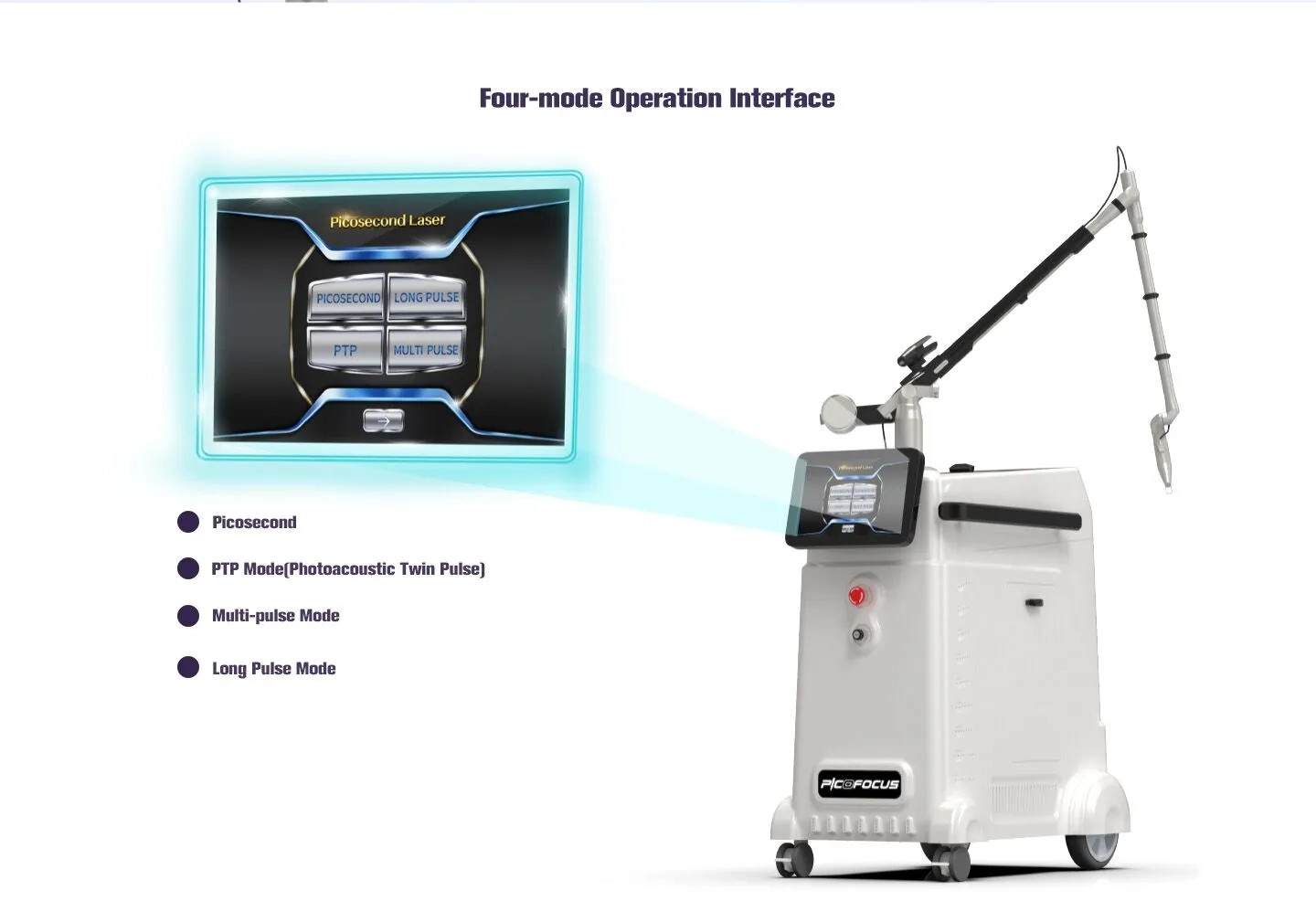
The Three Main Pulse Speeds You’ll Find in Picosecond Lasers
300–450 picoseconds (the fastest real ones available)
- Almost no heat, pure shock-wave effect
- Great for tough melasma and very fine pigment
- Safest choice for dark skin and zero-downtime treatments
550–750 picoseconds (the most common true pico range)
- This is what most trusted medical-grade machines use
- Thousands of studies back it for pigment, tattoos, and scars
- Perfect balance of power and safety, especially for Asian skin
800 picoseconds and above (often called “pico” but acts more like nano)
- More heat, longer recovery, higher risk of dark spots
- Not the best option for darker skin types
Fractional vs Full-Beam Pico Modes
Fractional Picosecond
- Creates tiny treatment zones with healthy skin in between
- Heals very fast
- Best for acne scars, big pores, fine lines, and rough texture
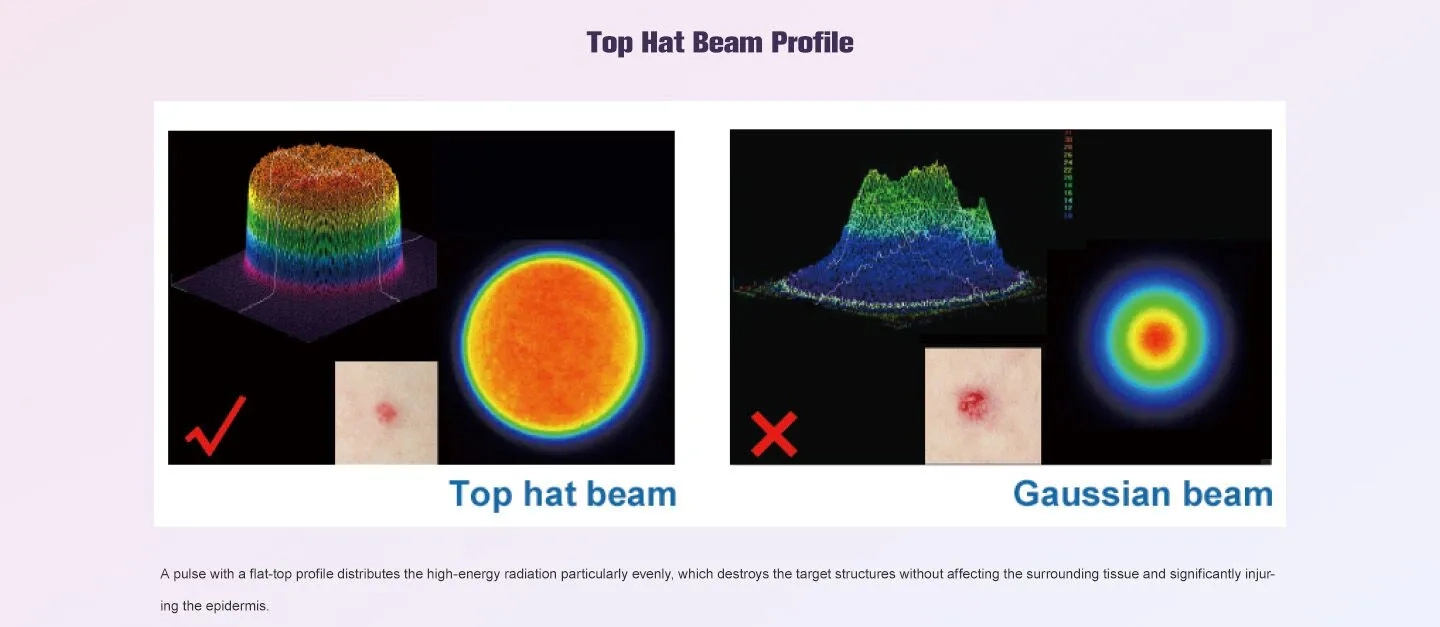
Full-Beam / Flat-Top Picosecond
- Covers the whole area evenly
- Breaks pigment very effectively
- Usually chosen for tattoos, deep pigment, and melasma
How Doctors Pick the Right Speed for Your Skin
Every person’s skin is unique. A machine can say “pico” on the box but still fire slower pulses. Your doctor chooses the speed based on your skin color, the problem you want to fix, and how much downtime you can handle.
Common choices:
- Fair skin + light pigmentation → 550–750 ps works well
- Asian or darker skin with melasma → 300–450 ps + longer wavelengths
- Acne scars & big pores → fractional mode at 600–750 ps
- Colorful tattoos → different wavelengths + custom pulse length for each ink color
Safety First – Choose Real Picosecond Technology
Genuine picosecond laser treatment greatly lowers the chance of burns, blisters, or dark marks after treatment. Many “pico-like” or fake pico machines still run in the nanosecond range. They feel hotter and need more recovery time.
Always ask for machines from well-known brands that clearly list the real pulse duration and have FDA or CE approval.
When the laser flashes a trillion times in one second, it acts like ocean waves hitting the shore. The waves smash old coral into fine sand. In the same way, pico pressure waves crush unwanted pigment and scar tissue into tiny pieces. Your body then clears them away naturally.
So when someone asks “how long is a picosecond,” the answer is simple: short enough to change skin treatments forever. True 300–750 picosecond lasers services give safer, faster, and more natural results than older machines. Always see an experienced doctor who uses authentic pico technology.
FAQ
Q: How long is a picosecond?
A: One trillionth of a second (10⁻¹² seconds) — a billion times shorter than a millisecond.
Q: How long is a picosecond pulse compared to older lasers?
A: Classic lasers use nanosecond pulses (10⁻⁹ s). That’s 1,000 times longer than real picosecond pulses, so pico causes far less heat and damage.
Q: How long is a picosecond in actual pico laser treatment?
A: True medical pico lasers fire between 300–750 picoseconds. This ultra-fast speed creates a shock wave instead of heat, making treatment safer for all skin colors.
Q: How long is a picosecond in some “pico” machines that still feel hot?
A: If it feels hot and you need days to recover, the pulse is probably 800+ picoseconds or even nanosecond — not true pico. Longer pulses mean more heat and higher risk.