
Introduction to Fractional Picosecond Laser Technology and Its Skin Remodeling Benefits
New developments in laser skin treatments have made fractional picosecond laser technology a top choice for non-invasive skin renewal. This modern approach provides accurate rejuvenation. It sends very short bursts of energy into the skin’s deeper layers. There is no extra heat damage like with older lasers. Traditional continuous or nanosecond lasers often depend on heat. Picosecond lasers work through mechanical effects instead. They create small, controlled injuries. This helps build new collagen and renew skin tissue.
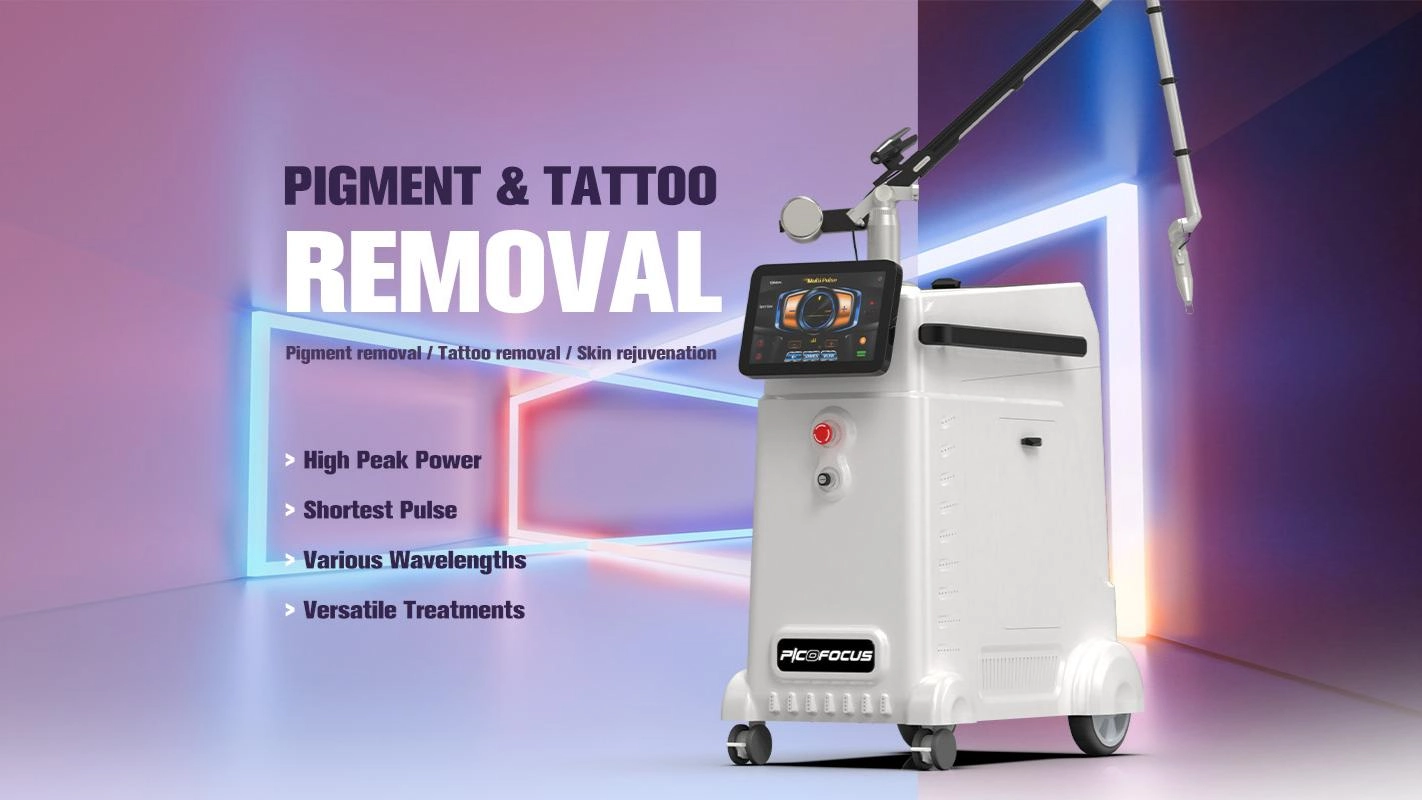
Pico laser technology sends out light pulses. Older laser treatments usually use heat. “Pico” means one trillionth. Think of turning a light switch off and on a trillion times in one second. That is what a picosecond is. It is the length of time the light energy hits the skin. As the light pulses rapidly, it acts like waves in the ocean rising and falling.
This article looks closely at fractional picosecond laser technology. It covers device design, main biological processes, results in patients, safety, new improvements, and uses for various skin problems.
The Science Behind Fractional Picosecond Lasers: Mechanisms for Better Skin Remodeling
Fractional picosecond laser devices send out very short pulses. These are in the trillionths of a second. They use special handpieces to make tiny heat zones in a pattern. These small injuries are limited. They do not harm nearby tissue. Healing is quick. Downtime is short.
The key ways these treatments remodel tissue are mechanical and acoustic, not heat-based. The short pulses go into the skin. They create a mechanical effect called a pressure wave. These waves hit targeted spots, like tattoo ink or dark pigments and scars. They break those cells into small pieces. This is called Laser-Induced Optical Breakdown (LIOB). It forms tiny bubbles in the deeper skin layers. This causes limited damage. It signals cells to make new collagen and elastin.
This method produces little heat. There is low chance of dark spots after inflammation or harm to the top skin layer. It works well for all Fitzpatrick skin types.
| Feature | Description |
|---|---|
| Pulse Duration | Picoseconds (1 trillionth of a second) |
| Energy Mechanism | Mechanical & Acoustic |
| Treatment Pattern | Fractionated tiny zones with top layer protection |
| Targeted Response | Collagen building, pigment breaking, deeper skin renewal |
| Thermal Damage | Very little |
| Downtime | Short |
Clear Clinical Benefits: From Better Texture to Deeper Skin Renewal
Fractional picosecond laser sessions bring clear changes in skin feel, tightness, and color. This happens through collagen renewal and pigment spreading. Pico Laser sends fast energy in picoseconds. It breaks up dark spots and boosts collagen growth. The body then removes the small pigment pieces naturally. Skin becomes clearer. Signs of aging lessen. Texture improves.
Wrinkles, small lines, acne scars, and dark spots all get better with this method. The Picosecond laser can help with: Treatments for small lines, wrinkles, dark spots, scars, and tattoo removal.
Acne scars can be upsetting. Atrophic ones look like dips or pits. The Picosecond laser treats lines, wrinkles, and scars the same way. It starts the body’s healing process. This builds collagen. It repairs and renews the skin.
People like how gentle Picosecond laser treatment is. Most sessions take less than 30 minutes. There is little pain. No anesthesia is needed. Side effects of pain from Picosecond laser averaged only 2.83 out of 10. That is low on the pain scale.

Targeting Deeper Skin Layers: How Fractional Delivery Improves Skin Remodeling
One main advance in picosecond devices is fractional delivery. Special handpieces create tiny treatment areas (MTZs). These focus energy in vertical lines in the deeper skin. Surrounding areas stay untouched. Healing happens fast.
This focused approach lets high energy reach deep without harming the top layer. Cells in these zones activate. They lead to lasting changes in skin strength. Collagen increases. Elastin rearranges.
Fractional delivery also helps doctors treat tough deeper issues. Examples include pitted acne scars or uneven texture. They can adjust depth and coverage for each patient.
Safety, Results, and Patient Experiences in Fractional Picosecond Treatments
Fractional picosecond lasers show a strong safety record in studies. Side effects are usually short-lived. Mild redness, swelling, or dryness go away in hours to days. Scars cannot be fully removed. But looks improve a lot with 4-6 sessions, based on how bad they are.
Studies show better skin smoothness, even tone, flexibility, and glow after several treatments. In one study on acne scars, people reported good to very good results after 3 months from 6 treatments. A 3D check showed an average 24.3% less scar volume. This lasted 3 months later. Tissue checks showed longer and thicker elastic fibers and more collagen in the deeper layers.
Best results usually need 3–6 sessions. Spacing depends on healing and goals.
New Developments in Device Design Advancing Fractional Picosecond Technology
Changes in fractional picosecond devices come from better hardware. This includes steadier short-pulse makers. They keep energy the same across visits.
Better fractional lenses let doctors choose patterns, pulse lengths, and energy for each goal. Easier-to-use handpieces help with precise aiming. They reduce tiredness for the doctor. Comfort improves for patients.
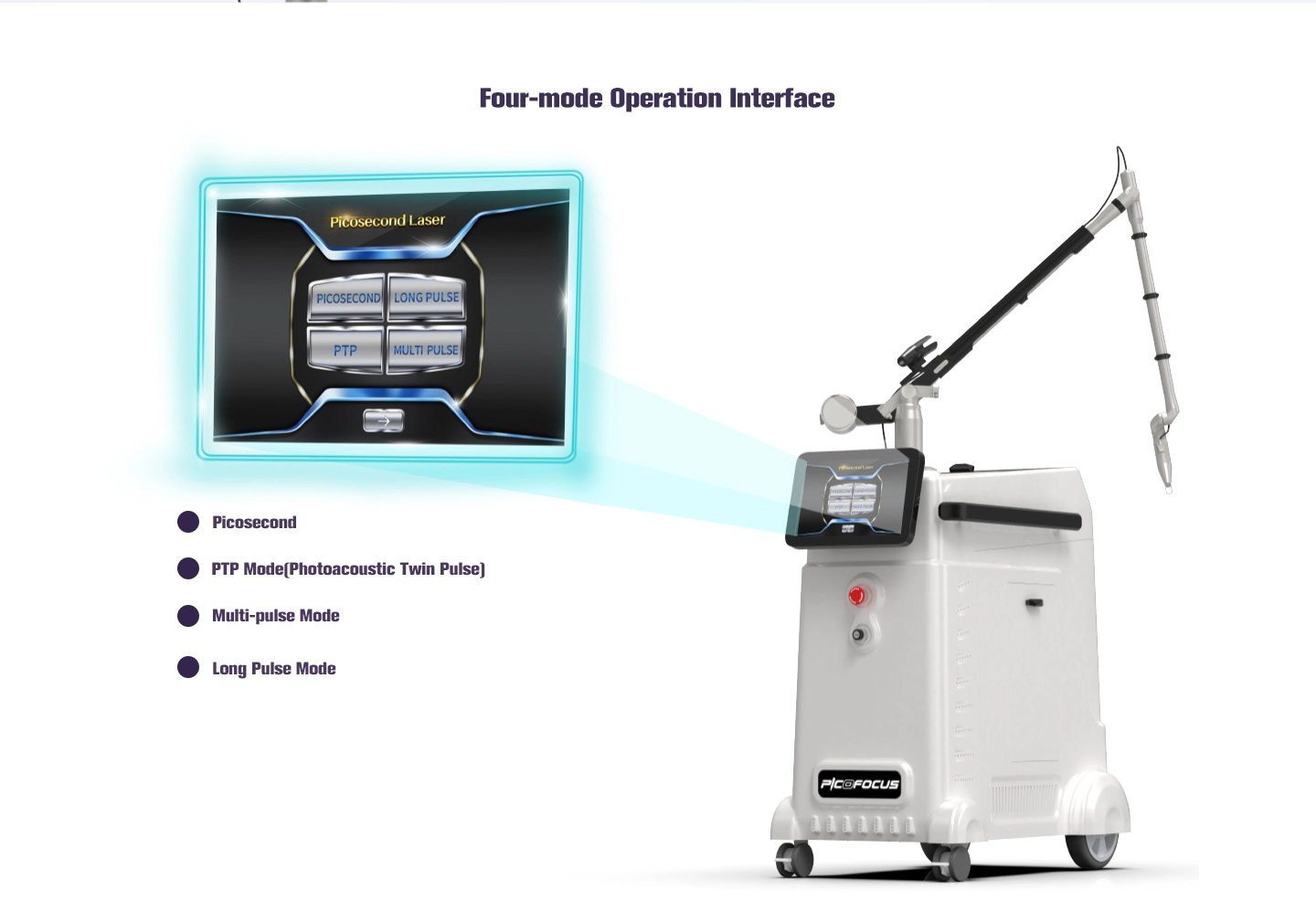
Some newer devices offer several wavelengths (like 532 nm, 755 nm, 1064 nm). This professional services of picosecond laser expand uses. One device can handle dark spots, scars, tattoos, and aging signs.
Fractional Picosecond Laser’s Role in General Skin Health and Structural Renewal
This technology handles both surface flaws and deep issues. It is ideal for full skin health recovery.
Dark spots come from melanin made by skin cells. Triggers include sun, hormones like in pregnancy or menopause. Picosecond laser from Nubway targets these melanin clusters. It breaks discoloration into tiny bits. Dark and dull areas fade as the body clears them.
By starting collagen-making cells and breaking damaged tissue, treatments build long-term skin thickness and strength. They skip heat injury. So, they suit darker skin tones often avoided in stronger resurfacing.
Patient Experience and Best Treatment Steps
Patient comfort is key to success. Sessions take 15–30 minutes based on area. The feeling is like light snaps or tingles. Pain is low since it avoids heat.
Clinics should talk fully with patients. Check history. Find main issues (like acne scars or dark spots). Adjust settings.
After care is simple: moisturize, protect from sun, avoid harsh products. Changes start in weeks. They build over months as collagen forms. Sun damage, spots after acne or injury, melasma, freckles, and other discolorations may fade noticeably with 3 or 4 sessions.
Follow-up sessions every 6–12 months may help. It depends on sun exposure or aging.
FAQ
Q: What sets a picosecond laser apart from older resurfacing lasers?
A: Picosecond laser uses very short pulses. It works mechanically, not with heat. This remodels skin well with less heat damage and quicker recovery than traditional lasers.
Q: Is picosecond laser treatment safe for every skin type?
A: Yes. It limits heat spread. So, it is safe for all Fitzpatrick types, including darker ones. Risk of dark spots after inflammation is lower.
Q: How many picosecond laser sessions are usually required?
A: Most people need 3–6 sessions. It depends on the issue (acne scars, wrinkles, or dark spots) and personal skin reaction.
Q: What skin issues can picosecond laser treat?
A: It is often used for acne scars, small lines, wrinkles, dark spot problems, tattoo removal, and general texture improvement through collagen building.