
What Is Fractional CO2 Laser Treatment?
Fractional CO2 laser resurfacing is a popular way to renew skin these days. It sends precise heat to refresh your complexion. The laser beams target issues like uneven color, lines, scars, blemishes, and other problems. It strips away the damaged surface. Meanwhile, it encourages more collagen and elastin deeper down. This makes skin smoother and tighter as time passes.
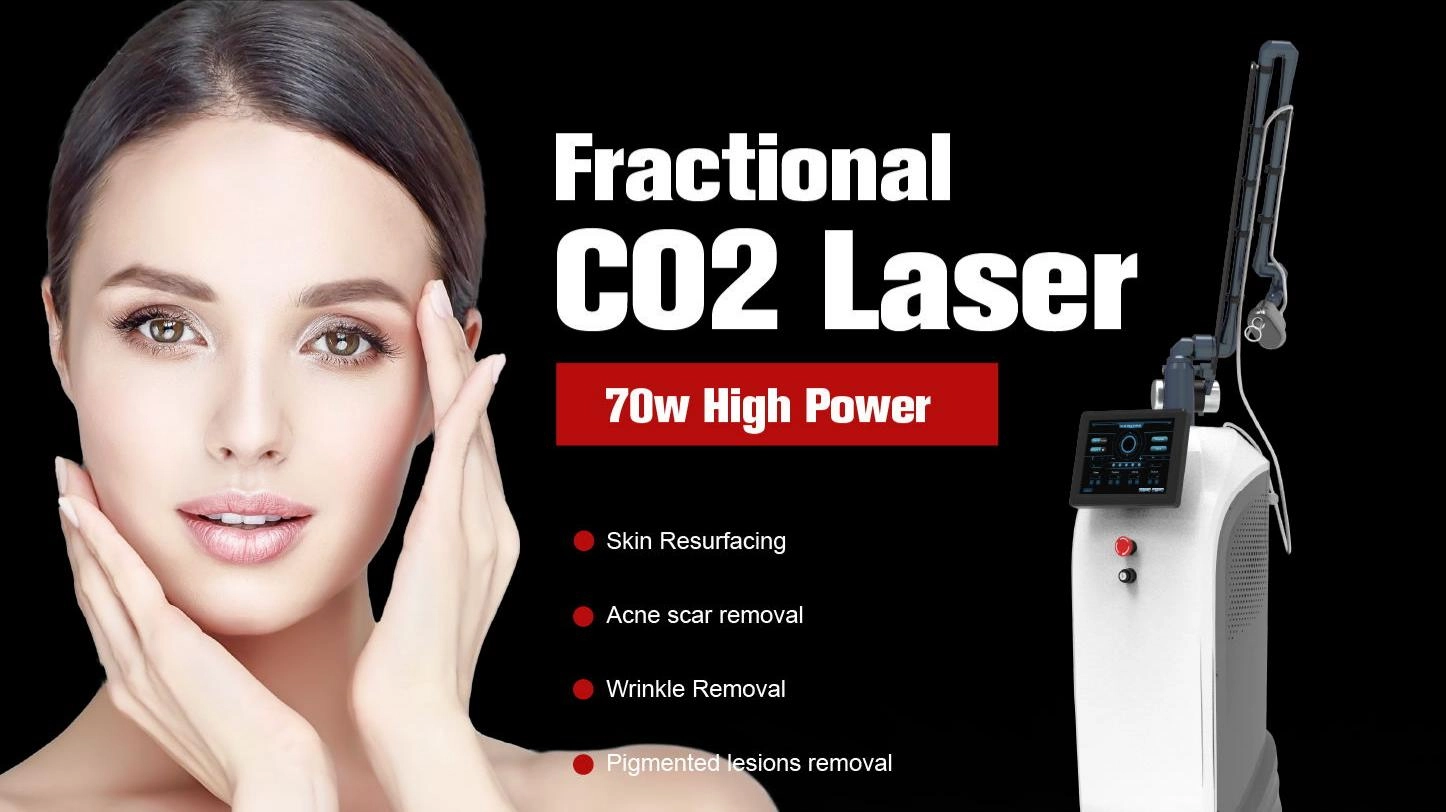
The fractional part treats just portions of the skin each time. It leaves tiny zones affected. The handpiece uses smart scanners to move over spots like the face, neck, chest, hands, or arms. It creates a grid of small beams. These go deep to fix aging signs. The untouched areas around help heal faster. Risks are lower than with older full CO2 lasers. Brands like Nubway offer advanced fractional CO2 laser machines that provide precise control and reliable performance.
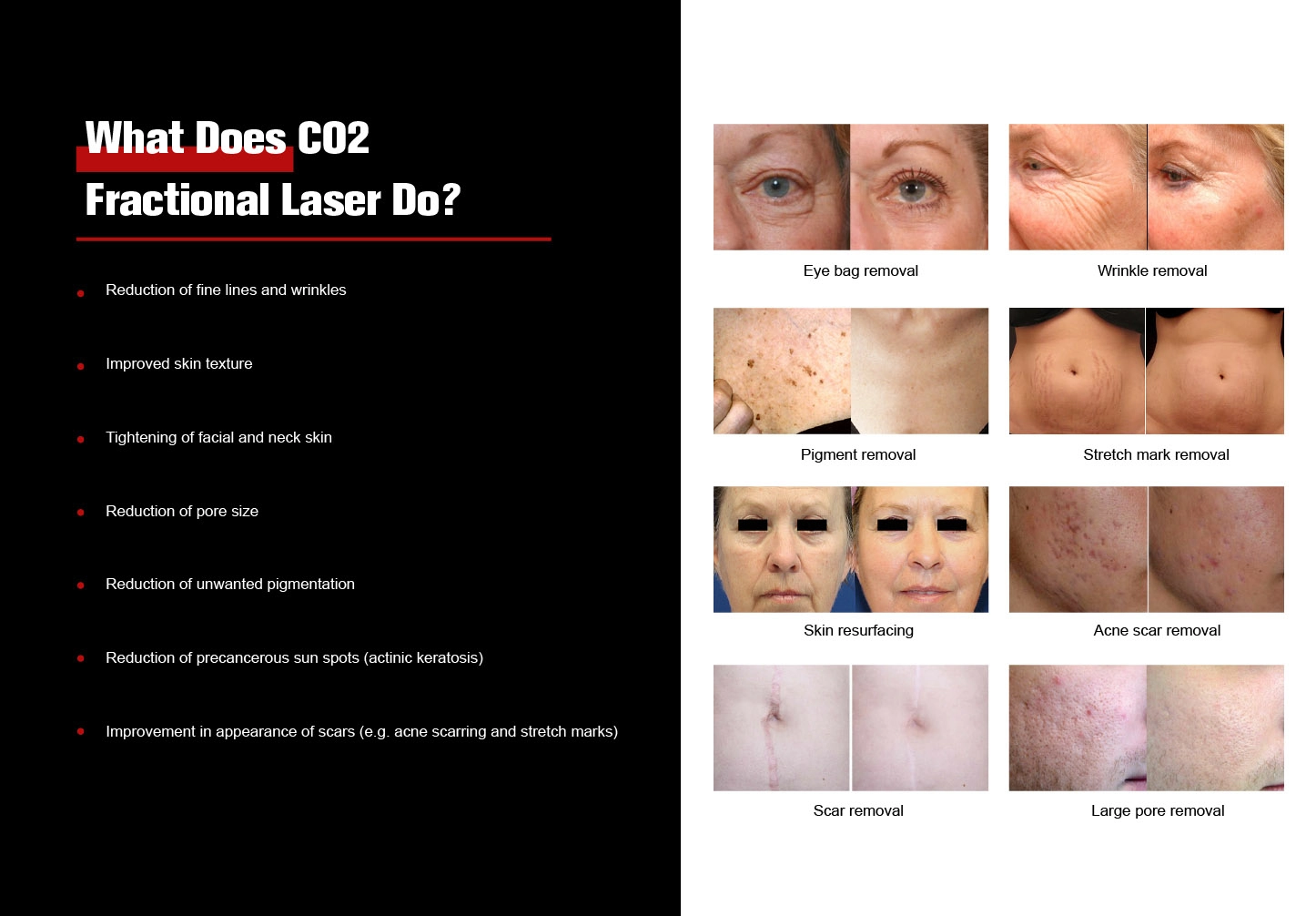
People often choose this for fine lines, deeper wrinkles, sun spots, dark patches, age marks, acne scars, old surgery scars, or bumpy texture. It’s strong for improving skin. But it’s not gentle. You’ll see changes during healing and need some time off. Prep well beforehand. Stop some products and listen to your doctor’s tips. This keeps things safe and gives better results.
Fractional CO2 Laser Recovery Timeline: What to Expect Each Day
Everyone heals a bit differently. It depends on your skin, how strong the CO2 Laser treatment was, and your body. But most see the main healing in 7 to 14 days.
Day 1: Right After Treatment
As soon as it’s done, your skin feels very hot. Like a strong sunburn. You’ll have redness, puffiness, and a stinging feel for the first day.
To make it easier:
- Cover the skin with heavy creams like Vaseline or special balms made for after laser.
- Put on cold packs to calm swelling.
- Don’t touch or scratch the spot.
- Prop your head up when sleeping to cut down on puffiness.
- Skip harsh stuff like scrubs, retinoids, or acids.
Day 2–3: Crusts Form and Skin Feels Tight
Swelling might get worse here before it improves. Skin gets tight and dry. Dark crusts or spots can appear. That’s the old skin starting to come off.
Be careful now:
- Don’t ever pick at the crusts.
- Put on lots of thick cream to stop cracking.
- Stay out of the sun completely. Cover up if you must go outside.
- Drink water all the time.
Day 4–6: Peeling Starts
By day four or so, skin flakes off. Dead layers shed. New skin comes through. It often looks brighter early on. Dark spots lighten. Pores shrink a little. Lines soften. The fresh skin might be pink and tender.
Help it along:
- Wash softly with warm water and gentle soap.
- Keep moisturizing a lot.
- No scrubbing or peeling yourself.
Day 7–10: New Skin Shows Up
This is when things look much better. Redness drops a lot. Skin feels even and smooth. Lots of people go back to normal activities. Makeup can hide what’s left.
You can:
- Go back to basic skincare. Wait for strong stuff until your doctor approves.
- Wear mineral sunscreen with good SPF daily.
- Use hydrating products to keep moisture in.
Day 11–14: Almost Done Healing
Most signs are gone by now. Skin tone and feel keep getting better. Any pink left is easy to cover with makeup.
Keep up with:
- Sunblock every day to stop dark spots.
- Moisturizers that help your skin barrier.
- No fake tans or heavy workouts that irritate.
Long-Term Healing and Results
The top layer heals fast. But inside, changes happen for months. The laser kickstarts collagen. This fights aging over time. Results build up. Often 3 to 5 treatments give the best look. Collagen ramps up most at about 3 months. It keeps going for 6 months or more.
To make them last:
- Sunscreen always.
- No smoking or heavy drinking.
- Eat healthy with lots of antioxidants. Drink water.
- Maybe touch-up sessions as advised.
When to Call the Doctor
Get help fast if you see:
- Infection signs like pus, more heat, or redness getting worse.
- Bad pain that meds don’t touch.
- Swelling that starts later.
- Blisters or red lines spreading out.
Acting quick stops problems like extra color changes or scars.
Internal Healing and Aftercare Products
Healing isn’t just outside. Support your body too. This laser works for all skin types. But if you’re prone to dark spots or scars, go slower with settings. Modern systems from manufacturers like Nubway allow skilled providers to adjust precisely for safety across skin types.
Try:
- Foods full of vitamins A, C, E, zinc, and good fats.
- Plenty of water.
- Good rest.
For skin products:
- Simple moisturizers with ceramides or hyaluronic acid.
- Gentle serums with peptides later on.
- Mineral sunscreen SPF 30+.
Stay away from retinoids, acids, scrubs, or strong items for 2 weeks at least. Unless told otherwise.
Final Thoughts on Fractional CO2 Laser Recovery
Going through fractional CO2 laser recovery is tough for a bit. But the changes can be worth it. You need downtime. Taking good care helps heal quicker and get nicer results. It builds collagen for younger-looking skin long-term. Sticking to care at home protects that.
If you’re thinking about it or run a clinic and want to explain to patients, knowing the steps—from crusts to deep improvements—helps a lot. Talk to a qualified doctor for your own plan or details on current fractional CO2 systems such as those from Nubway.
FAQ
Q: How many sessions are typically needed with a co2 fractional laser machine?
A: Most patients achieve optimal results with 1–3 sessions spaced 4–6 weeks apart, depending on the treatment intensity and skin concerns addressed by the co2 fractional laser machine.
Q: Is the treatment painful when using a modern co2 fractional laser machine?
A: Discomfort is minimal with topical numbing cream; patients often describe it as a warm snapping sensation during operation of the co2 fractional laser machine.
Q: How long do results last from a co2 fractional laser machine treatment?
A: Results can last several years with proper skincare and sun protection, as the co2 fractional laser machine stimulates long-term collagen production.
Q: Can all skin types be treated safely with a co2 fractional laser machine?
A: Yes, modern co2 fractional laser machines can safely treat all Fitzpatrick skin types when settings are adjusted appropriately by a qualified provider.