
Feeling confused about picking an EMS facial device or microcurrent for your routine? Don’t worry — tons of people are in the same boat. Both promise firmer, younger-looking skin without needles or surgery, and both have blown up lately.

At first look, they seem almost the same. But they’re not. EMS and microcurrent work in completely different ways and go after different parts of your face. Knowing the real differences helps you pick the right tool for your skin issues.
In this guide, we’ll explain how each one works, what kind of results you get, and who each is best for. By the end, you’ll know exactly what to buy.
Let’s kick off with EMS.
What is an EMS Facial Device?
How Does EMS Work?
EMS means Electrical Muscle Stimulation. An EMS facial device sends medium-to-high strength electrical pulses — usually 1–100 mA — straight to your facial muscles. You can actually see the muscles twitch. It feels like your face is doing a mini workout.
EMS treatment doesn’t just stay on the surface. It reaches the muscles that hold up your face shape. Over time, those little contractions retrain and strengthen the muscles, giving you a lifted, sharper look.
Key Benefits of EMS Facial Devices
- Lifts and sculpts droopy areas
- Sharpens the jawline and cheekbones
- Cuts down puffiness by moving lymph fluid
- Boosts blood flow for better color
- Works as a surgery-free facelift option
- Great for obvious sagging, jowls, or deep folds
What is Microcurrent?
How Does Microcurrent Work?
Microcurrent is much gentler. It uses super-low currents — under 1 mA — that copy your body’s own electrical signals. Instead of making muscles jump, it talks directly to your skin cells.
The main job? It ramps up ATP production. ATP is the energy that powers cell repair. More ATP means more collagen, more elastin, and faster healing. Most people feel almost nothing during treatment.
Key Benefits of Microcurrent Technology
- Pumps up ATP to wake up tired cells
- Builds new collagen and elastin
- Softens fine lines and wrinkles
- Makes skin smoother and tighter
- Gives an instant healthy glow
- Helps drain toxins and reduce swelling
- Perfect for early anti-aging and upkeep
Key Differences Between EMS and Microcurrent
| Feature | EMS Facial Device | Microcurrent |
|---|---|---|
| Current Intensity | 1–100 mA (medium to high) | <1 mA (very low) |
| Primary Target | Muscles | Cells (ATP) |
| Sensation | You see muscles moving | Barely feel anything |
| Main Results | Sculpting, lifting, toning | |
| Session Duration | 10–20 minutes | 5–15 minutes |
| Best For | Sagging, lost contour | Prevention, gentle firming |
EMS facial service shines when your face has started to drop. It physically pulls everything upward by working the muscles. Think sagging cheeks or blurry jawline — that’s EMS territory.
Microcurrent is quieter but still powerful. It feeds the skin from the inside. Great when you just want to keep things looking fresh and slow down new lines.
EMS vs. Microcurrent: Which One is Right for You?
It all comes down to what your skin needs right now.
Choose EMS if
- Your face is visibly drooping
- You want that sharp, sculpted look
- You’re okay with feeling the muscles work
Choose Microcurrent if
- You’re mainly preventing future lines
- Fine lines, dullness, or slight laxity are the issue
- You like super-gentle treatments
Choose both if
- You want the full package
- You have sagging plus fine lines
- You’re happy switching modes day to day
Switching between the two often gives the best, longest-lasting lift.
Can You Combine EMS and Microcurrent?
Absolutely. Lots of newer devices now have both functions built in. One day you train the muscles with EMS, the next you recharge the cells with microcurrent. Users love the flexibility.
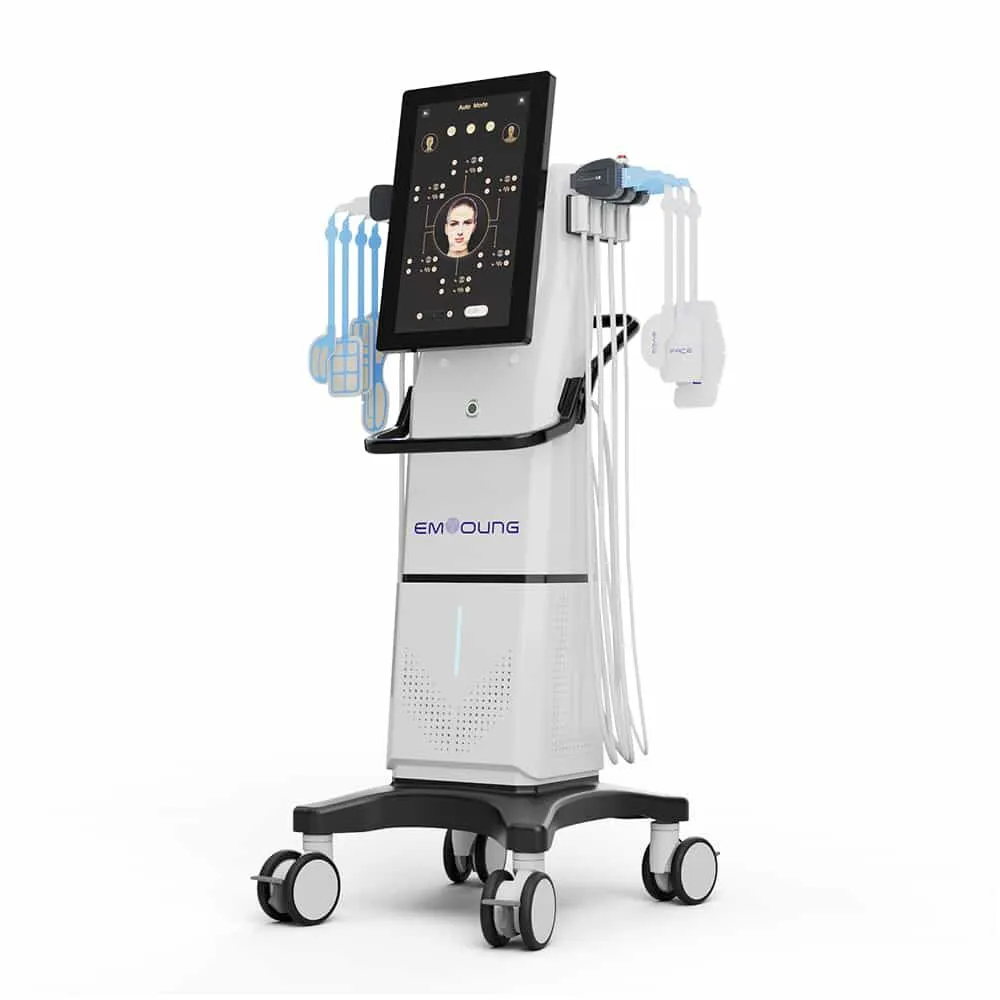
Picture EMS as a gym workout for your face. Microcurrent is more like feeding your skin an energy drink.
Pick the one that matches your biggest concern today — serious lift or everyday glow. Or grab a device that does both and cover all bases.
Ready to level up? Check out our top EMS facial devices, microcurrent favorites, or all-in-one machines at Nubway.
FAQ
Q: What is the main difference between an EMS facial device and microcurrent?
A: An EMS facial device uses stronger currents (1–100 mA) to make your muscles contract and lift. Microcurrent uses tiny currents (<1 mA) to boost cell energy and collagen without any twitching.
Q: Is an EMS facial device safe for daily use?
A: Most are safe 3–5 times a week. Daily is okay on low settings, but check the manual so you don’t tire the muscles.
Q: Can beginners start with an EMS facial device?
A: Yes! Just begin on the lowest level. The twitching feels strange at first, but you get used to it fast.
Q: Which is better for sagging jawline: EMS facial device or microcurrent?
A: An EMS facial device wins for a sagging jawline. It directly strengthens the muscles that hold everything up, so you see contouring results quicker.