
Does Cryolipolysis Treatment Really Work? 7 Things to Know Before Fat Freezing
A cryolipolysis treatment can become a useful body-contouring service when a clinic treats patient selection, applicator fit, temperature control and follow-up as one connected workflow. Fat freezing should not be presented as general weight-loss care or as a guaranteed substitute for lifestyle or medical management.
For professional buyers, the central question is broader than whether cooling can affect local fat tissue. A clinic must also decide which areas can be treated within the device instructions, how operators will monitor a session and how outcomes and reactions will be recorded.
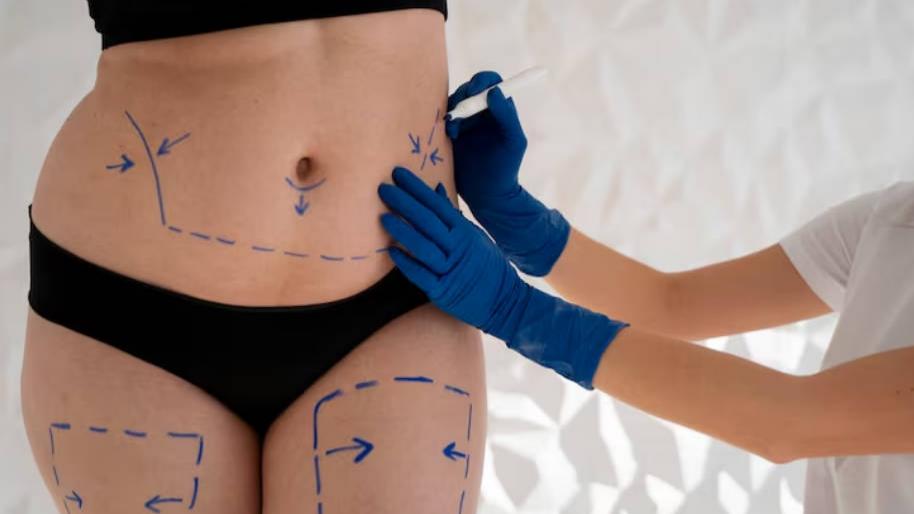
What Is Fat Freezing and How Does the Process Work?
How Should a Clinic Define Fat Freezing?
Patients often ask what is cryolipolysis treatment used for. A responsible answer describes a non-invasive body-contouring procedure that applies controlled cooling to a selected local area. The objective is not a rapid change on the scale. The service is designed around local contour assessment, applicator contact and gradual review.
The mechanism should be explained without a guaranteed result. Controlled cooling is intended to create a thermal response in the targeted fat layer, followed by gradual biological processing. Treatment suitability, tissue characteristics and protocol execution can affect the visible change.
Why Does Controlled Cooling Matter?
A cryolipolysis procedure depends on maintaining controlled contact and temperature within the authorised range. Cooling power, applicator design, vacuum or pressure control and monitoring all matter because the operator needs stable delivery across the selected area.
Lower temperature alone is not proof of a better treatment. Buyers should examine how a system regulates cooling, how the applicator fits different contours and how staff can stop or adjust a session when contact or patient comfort becomes unsuitable.
Does Fat Freezing Really Work for Clinic Patients?
What Results Should a Clinic Discuss Before Treatment?
The first consultation should define a local contouring goal rather than promise a specific percentage of fat reduction. Standardised photographs, consistent body position and a planned review date give the clinic a stronger basis for comparison. Weight alone may not show a local contour change.
The clinic should also explain that visible change may be gradual and variable. The project evidence does not provide a verified universal result percentage or a guaranteed timeline, so the article does not assign one. A professional assessment should consider the treatment area, applicator fit and the patient’s starting condition.
What Can an Abdominal Applicator Address?
Using a cryolipolysis treatment device on abdomen areas requires more than selecting the largest cup. The operator should assess the available tissue, contour, contact, treatment boundary and any screening issue covered by the clinic protocol. An applicator that does not sit securely can weaken delivery consistency.
An abdomen service should also include realistic photography and follow-up. The device is intended for local contouring, not for diagnosing the cause of abdominal size or managing overall weight.

What Happens During the Procedure and Recovery?
What Does a Professional Session Usually Involve?
A cryolipolysis treatment procedure normally begins with consultation, screening and treatment-area marking. Staff then select an applicator, check contact, set parameters within the authorised protocol and monitor the treatment. The session record should capture the area, applicator, settings, duration, observations and advice provided.
This description is a clinic workflow, not a consumer self-treatment guide. A cryolipolysis machine should be used only by trained staff working within local requirements and the model instructions.
What Side Effects and Aftercare Should Be Discussed?
When discussing cryolipolysis treatment side effects, a clinic should avoid vague claims such as completely risk free. Controlled cooling and applicator pressure can produce local responses, but the available project evidence does not establish incidence figures. Consent materials should follow the device documentation and the clinic’s clinical governance process.
Aftercare should explain what the patient may monitor, when the clinic will review progress and how to report a persistent or unexpected concern. Clear escalation and documentation are more useful than promising zero recovery for every patient.
Which Machine Features Matter to a Professional Buyer?
Which Cooling, Applicator and Control Features Should Be Verified?
A cryolipolysis treatment machine should provide enough control for the intended service menu. Buyers should compare cooling range, cooling power, applicator sizes, cup shape, vacuum or pressure range, screen layout, simultaneous-handpiece operation and system monitoring. Specifications should be checked against the exact model rather than copied from another configuration.
The cryolipolysis slimming machine category includes portable and floor-standing systems with different handle arrangements. More applicators may improve scheduling flexibility, but only when staff can position, clean, inspect and document every applicator correctly.
How Should Clinics Compare Systems Beyond the Spec Sheet?
A cryolipolysis machine is also a training, maintenance and service decision. The buyer should ask who trains new operators, how errors are diagnosed, which consumables or replacement parts are required and how warranty support works in the destination market.
Clinics should also confirm voltage, installation needs, cleaning procedures, record templates and model-specific compliance documents. These checks reduce the risk of buying a technically impressive system that does not fit daily operations.
How Can Nubway Support a Cryolipolysis Service?
What Does Nubway’s Current Platform Include?
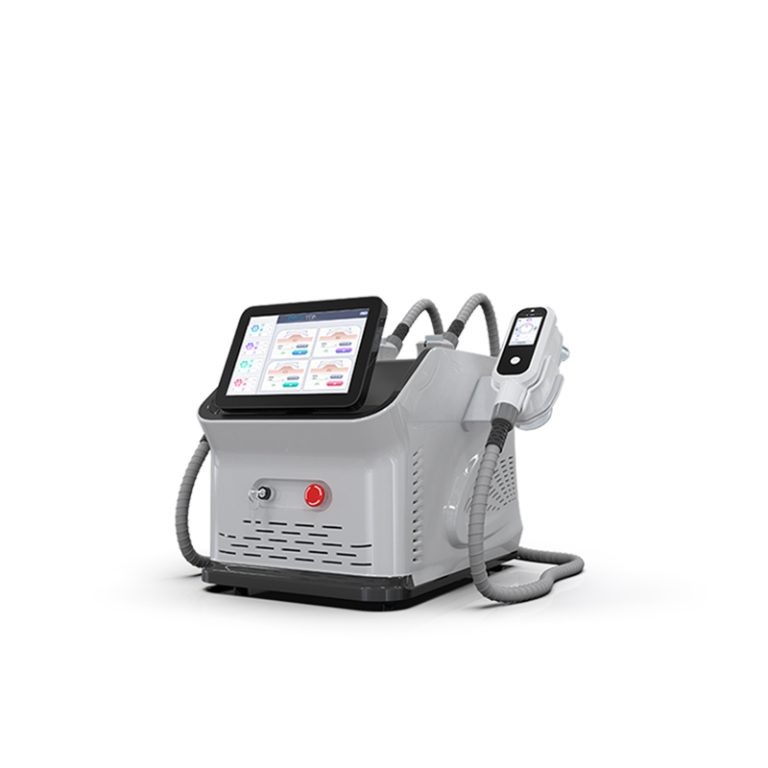
At Nubway, we offer a current professional platform with listed 4000 W power, four handpieces rated at 480 W cooling power each, a cooling range from -15 C to 5 C and an air-pressure range of 0-100 kPa. The verified configuration also lists an 8 L water tank and a 15.6-inch screen. Buyers can use these facts as demonstration and procurement checkpoints.
The listed values describe a product configuration, not a promised patient result. Our team can help a clinic match the configuration to planned areas, appointment volume, operator workflow and local documentation requirements.
How Can Nubway Support Delivery, Training and After-Sales Workflows?
Nubway can discuss remote one-to-one training, technical communication, maintenance guidance, after-sales support and OEM or ODM requirements. We recommend confirming the exact applicator package, voltage, warranty, documentation, delivery plan and service route before purchase.
Our objective is to support a workable B2B deployment. A useful enquiry should include intended treatment areas, staffing, expected monthly volume and the destination market so that commercial and technical questions can be reviewed together.
FAQ
Q: What Is Fat Freezing Used For in Aesthetic Equipment Services?
A: Fat freezing is positioned as a non-invasive local body-contouring service. The consultation should distinguish local contour goals from general weight-loss or medical management.
Q: What Cryolipolysis Side Effects Should Patients Ask About?
A: Patients should ask about expected local responses, screening, consent, monitoring, aftercare and the clinic’s escalation procedure. Exact risk information should come from the model instructions and qualified clinical protocol.
Q: What Should a Buyer Check When Comparing Cryolipolysis Equipment?
A: Check cooling control, applicator fit and sizes, pressure range, monitoring, cleaning, training, warranty, service response, voltage and model-specific documentation for the target market.