
Diode Laser Hair Removal vs IPL: Which Hair Removal Treatment Is Better for You
For a clinic deciding between diode laser hair removal and IPL, the useful question is not which label sounds more advanced. The decision should reflect the clinic’s patient mix, treatment menu, operator training and ability to manage settings consistently. Both technologies can support professional hair-reduction services, but the light source, wavelength range and treatment workflow are different.
Buyers should therefore compare treatment logic before comparing headline power. A platform that matches the clinic’s daily cases, documentation process and support requirements is usually more useful than a device selected from one specification alone.

How Do Diode Laser Systems and IPL Differ?
What Makes a Diode Laser Different From IPL?
A diode laser uses defined laser wavelengths, while IPL delivers filtered broad-spectrum light. That distinction affects how energy reaches the treatment area and how an operator selects parameters. Different diode laser system types used for hair removal may offer one wavelength or a combined configuration. An IPL platform may use filters or treatment modes for hair reduction alongside other light-based services.
The comparison should remain practical. A clinic focused mainly on hair reduction may value the dedicated controls of a diode platform. A clinic building a wider light-based menu may consider IPL versatility. Neither description removes the need for screening, training and a written protocol.
How Do Wavelengths and Light Delivery Affect Treatment Planning?
Wavelength is only one part of treatment delivery. Pulse width, energy range, spot size, repetition rate, skin contact and cooling also shape the operator’s workflow. A four-wavelength platform can give trained staff more configuration options, but more options do not automatically produce better outcomes.
IPL pages may list broad hair-removal wavelength ranges and large treatment spots. Diode product pages may list specific wavelengths and sliding frequencies. Buyers should ask how the available controls match intended body areas, expected appointment volume and the clinic’s ability to document repeatable settings.
Which Option Fits Different Clinic Patients?
What Benefits Matter in a Clinic Workflow?
The most useful diode laser hair removal benefits are not limited to treatment-room speed. Clinics may also value stable contact cooling, selectable spot sizes, clear parameter controls and a handpiece that staff can position consistently. These features can support a more repeatable service when operators receive suitable training.
IPL can add value when a clinic wants several light-based applications from one platform. However, a multi-application menu can also require more protocol management. The buyer should compare how often each mode will be used, who will operate the system and how treatment records will be reviewed.
How Should Clinics Judge Treatment Effectiveness?
Diode laser hair removal effectiveness should be assessed across a documented course rather than from one photograph or one appointment. Hair growth cycles, treatment area, hair characteristics, parameter selection and attendance can all affect the visible change. A clinic should use consistent photography, record the selected settings and review progress before changing the plan.
Claims about a universal session count or guaranteed permanent removal should be avoided. The better commercial approach is a realistic consultation, a planned review point and clear communication about the possibility of maintenance.
What Side Effects and Aftercare Should Clinics Explain?
What Treatment Reactions Should Be Discussed?
When discussing diode laser hair removal side effects, clinics should explain that light and heat must be controlled carefully. Poor contact, unsuitable settings, weak cooling, or incomplete screening can increase treatment risk. A universal incidence rate should not be assumed, so staff should follow the device manual, local requirements, and the clinic’s escalation procedure.
The same discipline applies to IPL. A patch-test policy, documented consent and a clear endpoint can help staff avoid treating every patient with the same assumptions. Unexpected or persistent reactions should be reviewed by an appropriately qualified professional.
What Should Aftercare Include?
A diode laser hair removal aftercare sheet should match the clinic’s protocol and the model instructions. The document should explain how to protect the treated area, which temporary reactions require observation, when normal activities can resume and how to contact the clinic if a concern develops.
Aftercare also improves operational consistency. Staff should record advice provided, schedule the review and avoid making promises that cannot be supported by the patient’s response.
How Should Clinics Plan Frequency and Operator Workflow?
How Often Should Treatment Be Reviewed?
People often search for how often diode laser hair removal should be performed, but one interval cannot cover every body area and every patient. Scheduling should reflect the treatment area, visible regrowth, the previous response and the protocol used by the clinic. A review point is more defensible than automatically selling a fixed package.
Clinics should also leave enough time to judge the previous session. Shortening the interval simply to increase appointment volume can weaken documentation and patient communication.
How Should Operators Use a Professional Diode System?
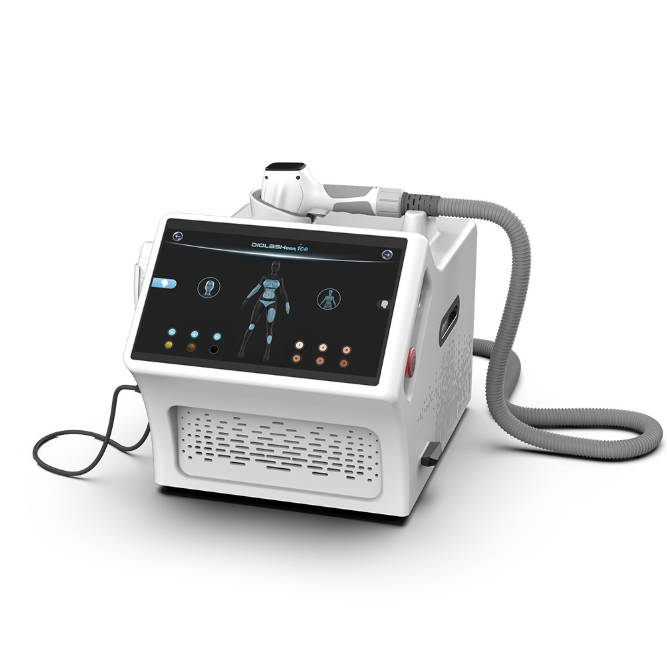
A buyer researching a diode laser hair removal machine should look beyond the start button. Trained staff need to confirm the treatment area, select settings within the authorised protocol, maintain full contact where required, monitor the endpoint and record the session. This is the practical answer to how trained staff should operate a diode laser system for hair removal.
Some buyers also search for portable diode laser systems for hair removal. Portability should be evaluated through weight, stability, cooling capacity, electrical requirements and transport protection. A portable label should never replace a full specification and service review.
How Can Nubway Support a Diode Laser Hair-Removal Service?
What Does Nubway’s Four-Wavelength Platform Offer?
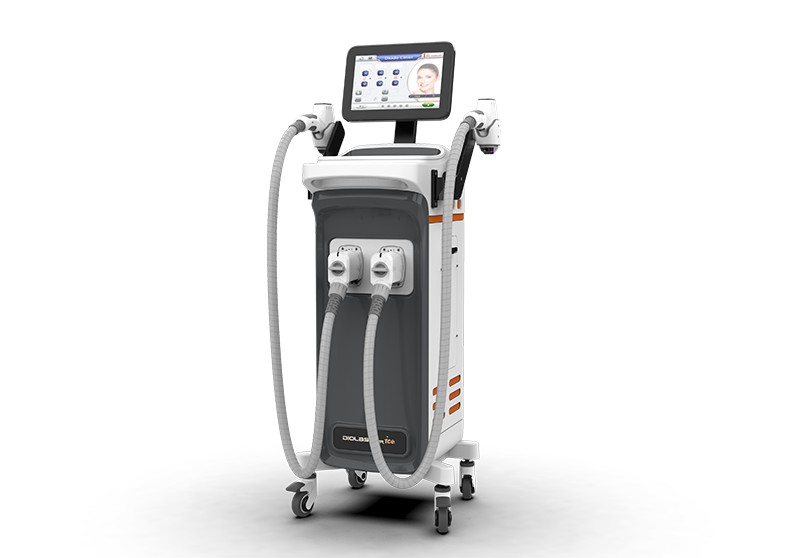
At Nubway, we provide a professional ST808 platform with listed 755 nm, 808 nm, 940 nm and 1064 nm wavelength options. The verified product information also lists 3000 W machine power, an energy-density range of 1-120 J/cm2, a 1-200 ms pulse-width range and operation up to 20 Hz. Available spot sizes, TEC cooling and a sapphire contact surface give buyers concrete points to assess during a demonstration.
These specifications are configuration information, not a guarantee for every patient. Our recommendation is to match the selected configuration to the clinic’s service mix, operator competence and local compliance requirements.
How Can Nubway Support Clinic and Distributor Workflows?
Nubway can discuss one-to-one remote training, technical communication, after-sales support and OEM or ODM requirements with professional buyers. We encourage clinics and distributors to confirm the exact model, voltage, handpiece configuration, warranty terms, documentation and service process before ordering.
Our commercial role is to help the buyer evaluate a workable treatment system, not to replace clinical judgement. A detailed enquiry should include expected case volume, intended treatment areas, staffing and target-market documentation.
FAQ
Q: Is a Diode Laser Better Than IPL for Every Aesthetic Equipment Clinic?
A: No. A dedicated diode system may suit a hair-reduction-focused clinic, while IPL may support a broader light-based menu. Patient mix, operator training, protocol control and service demand should guide the decision.
Q: How Often Should Diode Laser Hair Removal or IPL Treatment Be Performed in a Clinic?
A: Treatment frequency should follow the area, visible regrowth, previous response and the clinic’s approved protocol. One fixed interval is not suitable for every case.
Q: What Should a Buyer Check When Comparing Diode Laser Hair Removal and IPL Equipment?
A: Check verified wavelength or filter options, parameter ranges, spot sizes, cooling, training, warranty, service response, electrical requirements and model-specific compliance documents for the destination market.