
Picking between a diode laser device and an IPL (Intense Pulsed Light) setup for hair removal is a big choice for clinics, skin doctors, and spa managers. Both options have pros and cons in ease, speed, and full ownership cost. This guide gives a clear breakdown. It uses expert views and clinic data to aid your pick for 2025.
Understanding Diode Laser and IPL Technologies
What Is a Diode Laser Machine?
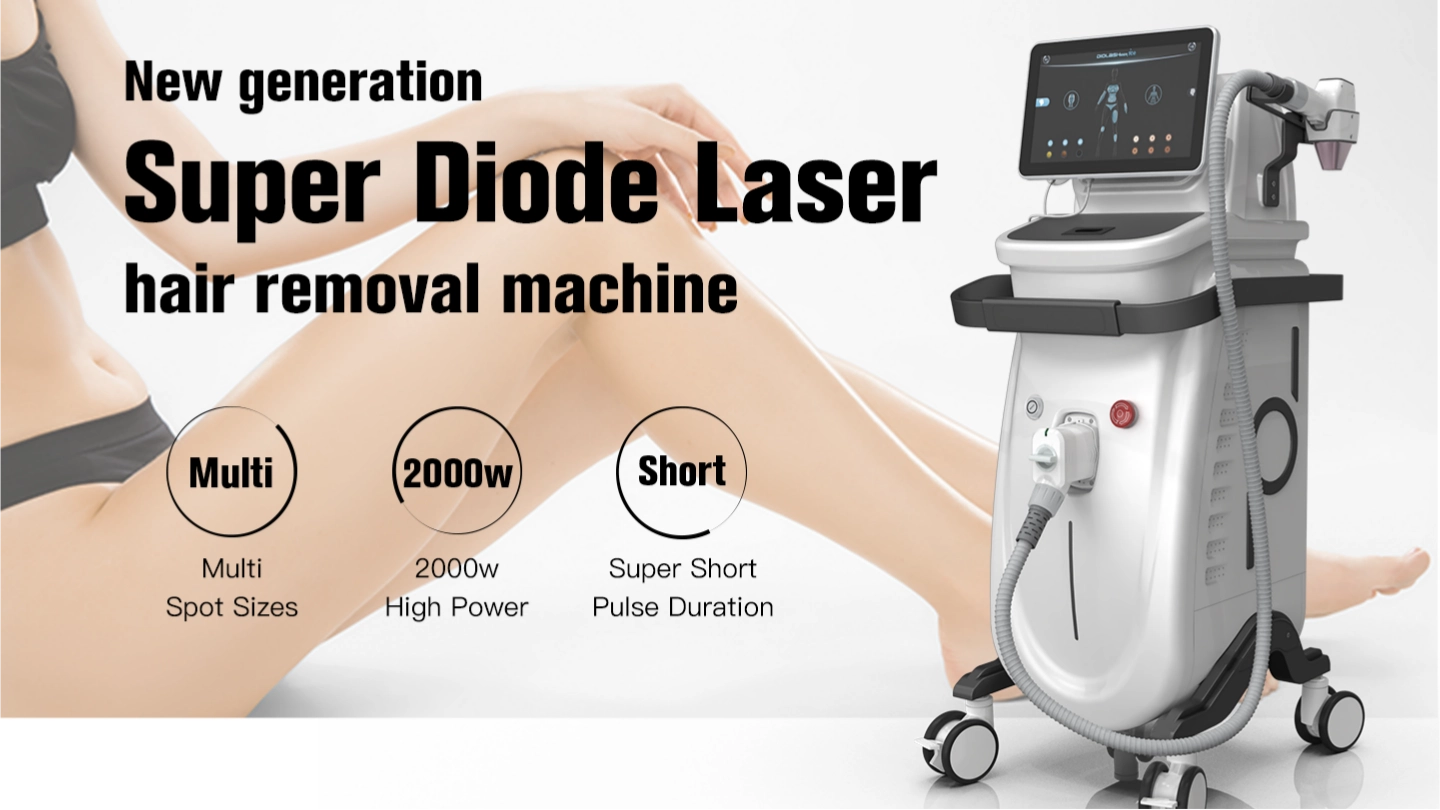
Diode laser hair removal is a top example of tech progress in skin care. This advanced method uses a set wavelength, around 808 nm. It targets pigment in hair roots for light and dark skin. The roots take in the laser light. This turns to heat. The heat harms the root and stops new hair growth. This beats old ways like waxing or shaving. Those just handle hair on top.
Let’s look closer at how diode laser tech works. It sends a steady light beam at one wavelength. The beam goes right to the hair roots. This focus cuts harm to nearby skin layers. It makes it very safe for many skin types.
What Is IPL (Intense Pulsed Light)?
IPL tools use a wide light source. It sends out many wavelengths to hit pigment in hair roots. Unlike diode lasers with one aimed beam, IPL spreads light over the skin. This makes it less exact. But it works for big areas and issues like dark spots or pimples. Still, its power for lasting hair removal is often lower than diode lasers.
Comparing Comfort Levels in Treatments
Skin Sensation and Pain Threshold
The treatment is comfortable and completely painless. Pain. This comes from the sapphire touch surface and built-in temp check system in tools like the ST808 diode laser device.
On the other hand, IPL sessions can feel more uneasy. This is due to less aimed targeting and more heat spread on skin. Many say IPL feels like a rubber band flick on the skin.
Cooling and Safety Mechanisms
The inside of the handle is equipped with a special temperature sensing system, which is controlled by software and relies on the powerful refrigeration system of the machine, so that the temperature of the handle can reach a minimum of -30°C. The skin contact surface is made of sapphire material, which has excellent cold conduction effect
These in-built features make diode laser tools safer and nicer than IPL setups. IPL often uses outer cooling gels or fans.
Treatment Speed and Efficiency
Spot Size and Repetition Rate
spot size:1212mm,1220mm,12*24mm provides significant flexibility in treatment. Larger spot sizes mean more skin can be covered per pulse.
10Hz (20hz) sliding therapy, high energy and short pulse width output mode, which greatly shortens the treatment time.
IPL tools usually have slower pulse rates and smaller real spot sizes. This makes them less quick for big areas like full legs or back.
Coverage Area and Number of Sessions
Ordinary machine hair removal cycle is 6-8 times, this machine only needs 3-5 times.
Diode lasers aim energy better at the root level. So fewer visits are needed for long results. IPL often needs more often visits with slower clear changes.
Total Cost of Ownership (TCO)
Initial Equipment Investment
Diode laser tools often cost more up front than IPL units. But their top features and clinic results make the price worth it for many pro setups.
Consumables and Maintenance
100 million shots warranty on devices like the ST808 means less frequent replacement of handpieces or flash lamps.
IPL setups often have parts like filters or bulbs that wear out faster with heavy use. This raises running costs over time.
Operating Costs and Service Life
The diode laser’s robust design means lower overall maintenance. Its longer service life translates into better operational efficiency. On the other hand, IPL units may face more frequent downtimes due to heat stress and part wear.
ROI and Business Considerations
Revenue Projection for Clinics
With shorter cycles and fewer visits per client, diode laser tools let clinics help more people in less time. This means quicker return on money. Fewer visits free up more slots.
Patient Retention and Cross-Services
Clients like tech that gives fast and lasting results with little unease. The diode laser’s good name for ease and power boosts client happiness. This raises keep rates and want for extra skin services.
When to Choose Each Technology
Choose a Diode Laser Machine If:
Your clinic prioritizes high throughput and long-term client satisfaction. You treat diverse skin types, including darker tones. You want to offer nearly pain-free treatment experiences. You aim for long-term cost efficiency despite higher initial investment.
The laser light emitted by the diode laser hair removal instrument is easily absorbed by the colored hair follicles without damaging the epidermal tissue, and the follicles will be irreversibly damaged, thereby achieving the purpose of permanent hair removal.
Choose an IPL System If:
Budget constraints are significant. You want a multi-functional system for treating other skin issues. Your practice deals mostly with lighter skin tones (Types I–III). You’re catering to clients who prefer lower-cost short-term solutions.
Implementation and Training
Step-by-Step Adoption Plan
Assess clinic needs based on clientele. Choose equipment aligned with long-term goals. Prepare infrastructure including electrical requirements. Schedule installation and testing. Launch pilot treatments under supervision.
Operator Certification and Safety Protocols
Staff training is critical to safe operation. Ensure operators are certified in laser/IPL safety protocols including eye protection, skin type assessment, contraindications screening, and post-treatment care.
Passed ISO13485 system certification, TUV medical CE certification and US FDA certification.
Compliance with these standards assures clients of quality care while reducing liability risks for practitioners.
Future Trends in Laser and IPL Technology
Advances in Diode Laser Systems
Today’s diode laser setups have changeable wavelengths and pulse times. This gives great options for different hair and skin types.
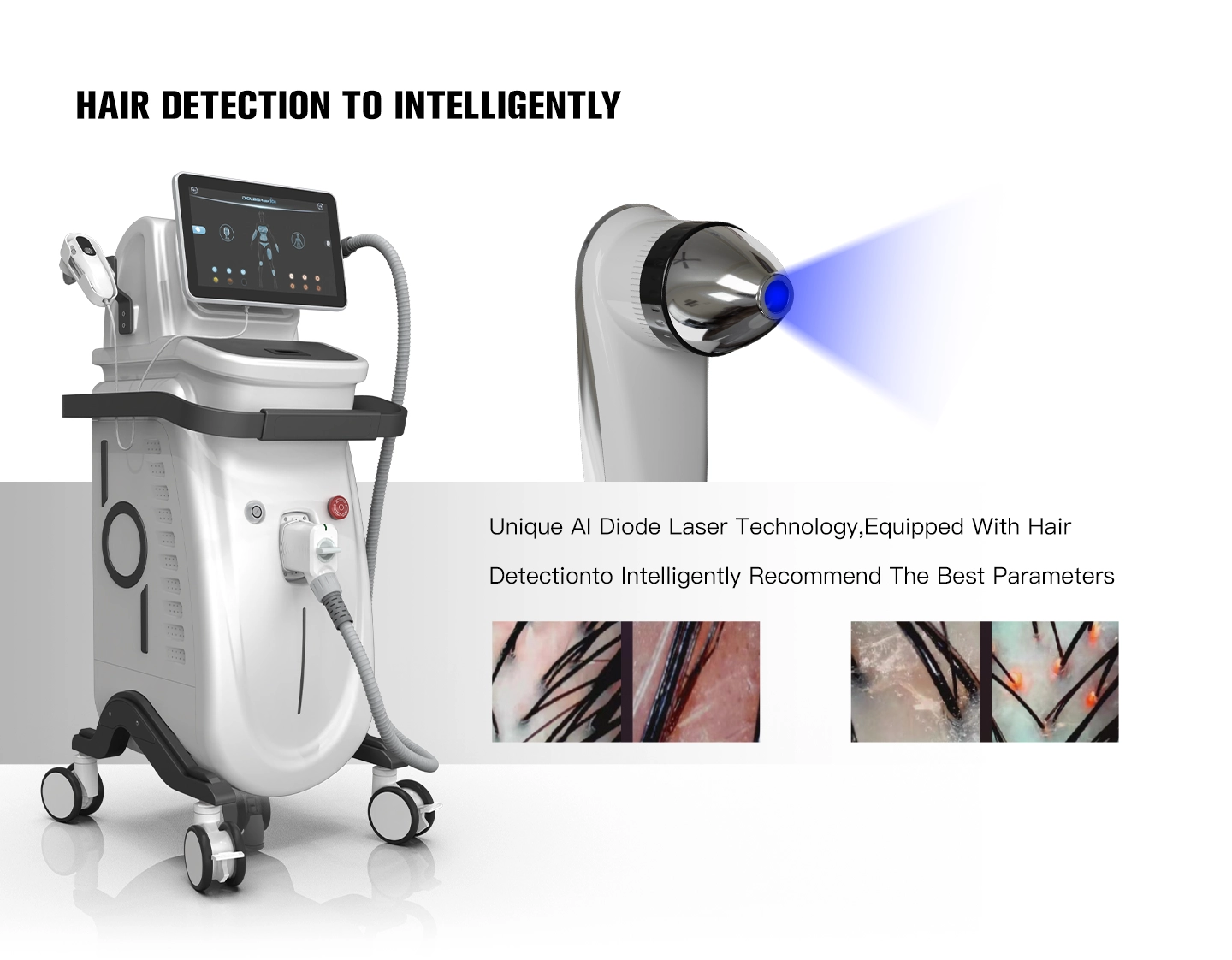
Tools now add AI skin checks and cloud tracking. This improves the user feel.
Next-Gen IPL Improvements
New IPL tools use tighter band filters to boost aim. Some now have split delivery to cut recovery time and ease—though they still trail diode lasers in exactness.
Conclusion
For clinics set on top services with high client joy, buying a diode laser device gives clear wins in ease, speed, output, and long value. By properly adjusting laser wave length and pulse width, the laser can penetrate the top layer of skin and then reach the hair follicle. Then the light energy will be adsorbed and converted into thermal energy which can destroy the hair follicle. Thus the laser will make the hair lose its ability to regenerate while not destroying surrounding tissue.
Explore Nubway’s advanced ST808 model featuring 4 wavelength:755nm,808nm,940nm,1064nm, 3000W ultra-strong machine power, and ergonomic design for optimized clinic performance.
FAQ
Q: How does a laser diode machine handle different hair colors during treatments?
A: Laser diode machines primarily target melanin-rich dark hair for optimal results, but advancements in 2025 models allow for better absorption in light brown or red hair through adjustable energy settings, while fine blonde or gray hair may require complementary methods like electrolysis for full efficacy.
Q: What are the common side effects when using a laser diode machine for hair removal?
A: Mild redness or swelling similar to a sunburn can occur post-treatment with a laser diode machine, typically resolving within hours. Rarely, pigment changes may appear in sensitive skin, but these are minimized with proper pre-treatment patch tests and aftercare like moisturizing.
Q: Can a laser diode machine be used on tattoos or permanent makeup?
A: It’s generally advised to avoid treating areas with tattoos using a laser diode machine, as the ink can absorb the laser energy, potentially causing burns or fading. Consult a specialist to map safe treatment zones around such areas.
Q: How often should maintenance checks be performed on a laser diode machine?
A: Annual professional servicing is recommended for laser diode machines to calibrate optics and software, ensuring consistent performance. Daily operator checks for lens cleanliness and power output can prevent minor issues from escalating.