
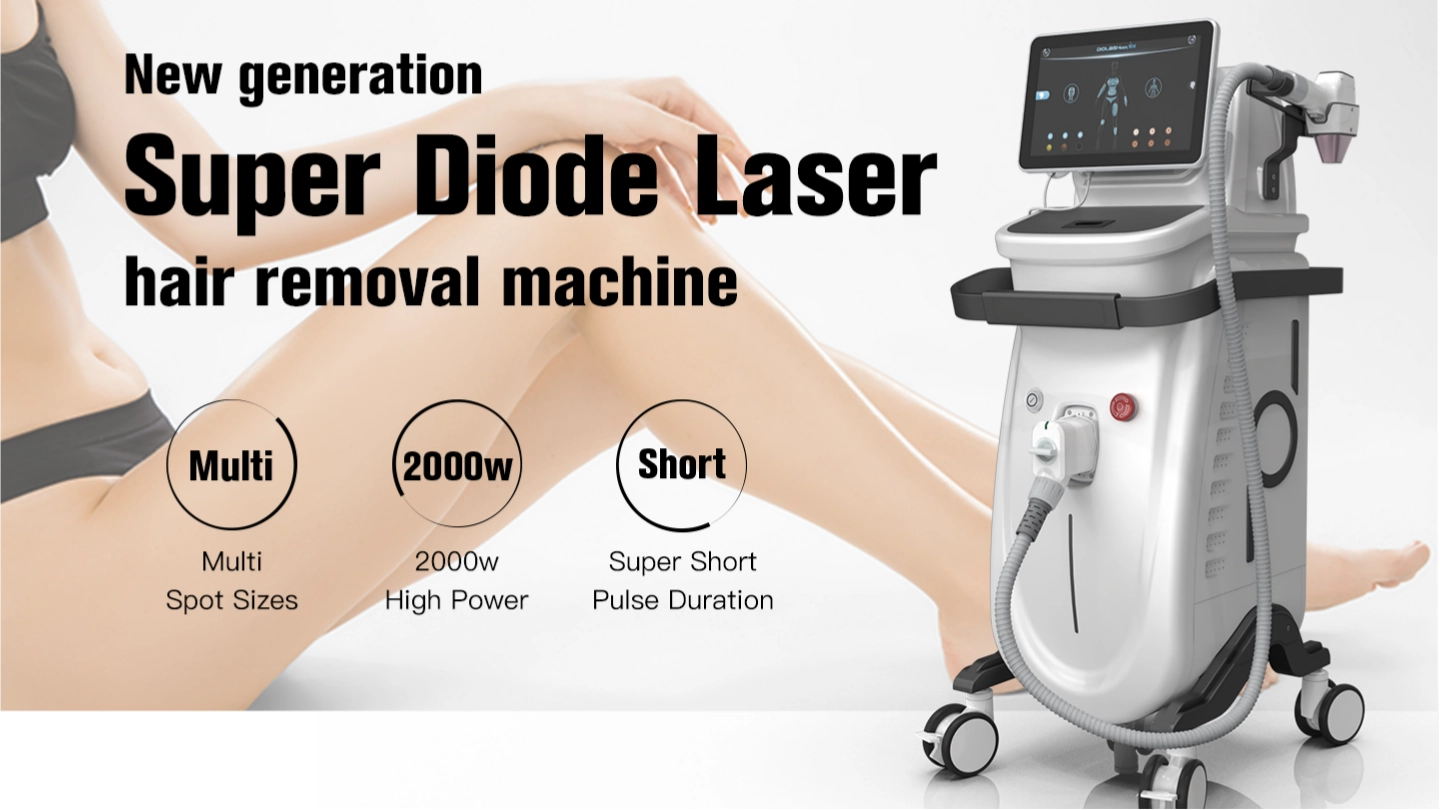
Waste Heat
In any diode laser machine, waste heat comes directly from how the system turns energy into light. You can figure out the waste heat by taking the optical output power away from the total input power. Only part of the electrical power turns into useful laser light. The rest becomes heat. Diode lasers usually work with efficiencies between 10% and 60%. That often means over half the input energy turns into heat.
Quick and effective heat removal is vital. It stops sudden failure or a shorter lifespan. If heat builds up in the laser package, it can cause thermal runaway, beam problems, and lasting damage to parts inside. To avoid these issues, you need firm mounting to a good cooling system. Without strong heat control, even brief overheating can permanently ruin the laser diode. This is clear in high-performance models like those from Nubway.
Operating Temperature
To get the best performance and longer life from a diode laser machine, stick to the suggested temperature ranges. High temperatures speed up damage a lot and cut the lifetime short. Semiconductor materials get more vulnerable to diffusion and other heat-related failures when it gets hotter. On the other hand, cooler temperatures boost efficiency and help the device last longer. Running the laser cooler lowers internal resistance and cuts thermal noise. This leads to steadier output and fewer service needs.
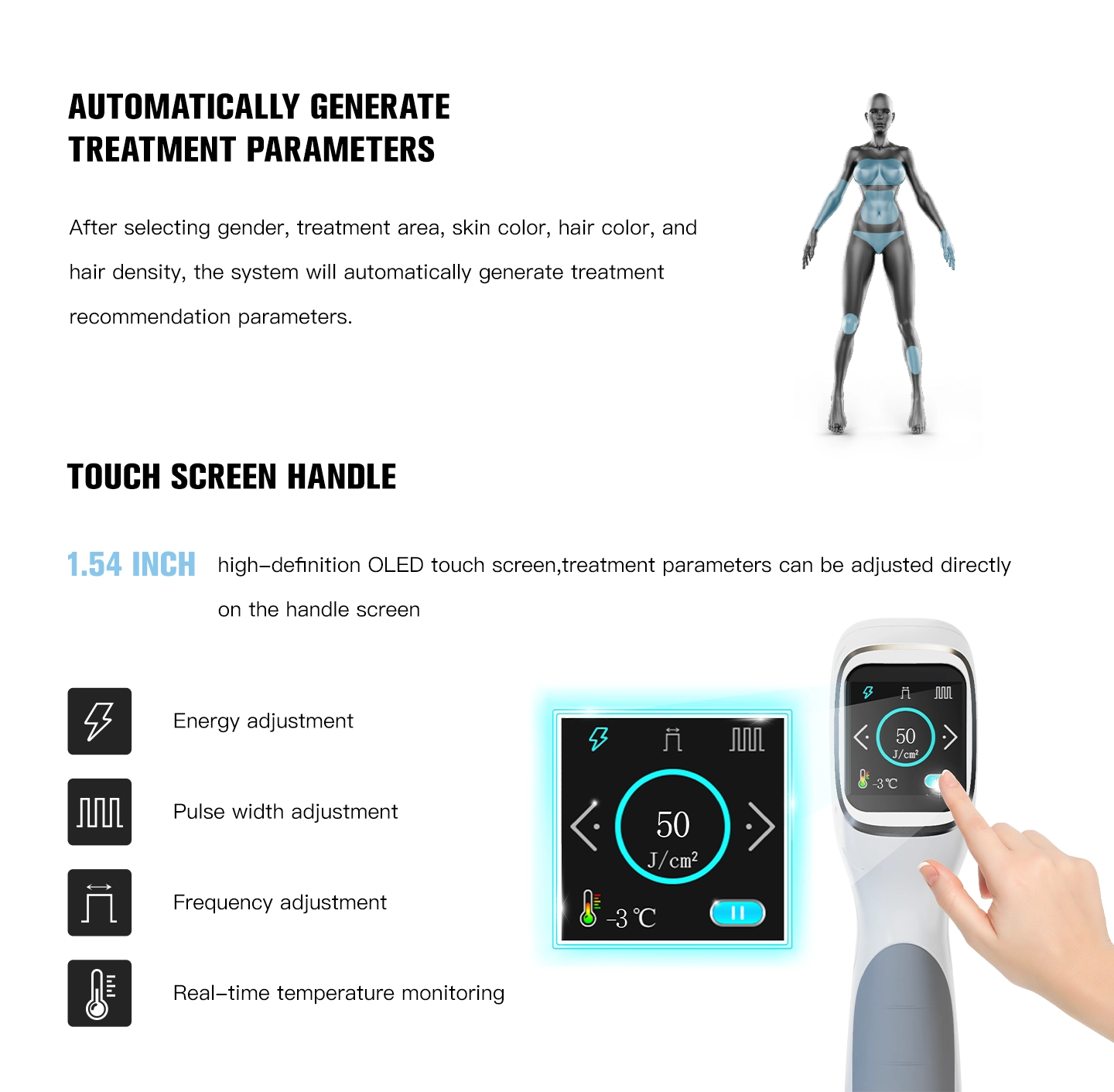
Still, do not go below 15°C unless the laser is in a sealed, dry space. This step stops condensation damage. Moisture can build up on delicate optical or electronic parts. Advanced Nubway diode laser machines handle this well. They have a special temperature sensor in the handle. Software controls it, backed by a strong cooling setup. The handle can reach as low as -30°C. The skin contact area uses sapphire material. It conducts cold very well, making treatments comfortable and totally painless.
Cooling Systems
Picking the right cooling system for a diode laser machine depends a lot on power levels. Low-power systems may only need passive baseplates. Higher-power ones require better options. These include finned heatsinks with forced air or active cooling methods. Good materials for cooling parts are copper or non-anodized aluminum. They have high heat conductivity. This allows fast heat spread and keeps temperatures even across the laser package. Thermal contact surfaces must be flat, smooth, and clean. That ensures good heat transfer and avoids hot spots. There are many cooling choices for diode lasers.
Air cooling is easy and works for medium power, but it may not be precise enough. Water cooling removes heat better. It is common in industrial or high-use machines. Thermoelectric coolers (TECs) give excellent temperature control and stability. They suit systems that need exact wavelengths or long reliability.
Nubway machines show advanced contact cooling. They reach handle temperatures down to -30°C. They offer up to 20Hz ultra-fast frequency, a 100 million shots warranty, a 1.54-inch touch screen, four wavelengths (755nm, 808nm, 940nm, 1064nm), and spot sizes like 12x12mm, 12x20mm, and 12x24mm. The diode laser treatment surface uses sapphire crystal for top performance and patient comfort.
Thermal Interface
One key but often missed part of heat management in diode laser machines is the thermal interface quality. It sits between the laser package and the cooling system. The goal is to lower thermal impedance. That means less resistance to heat flow at this spot. Materials such as indium foil can help a bit. They are soft and conduct heat fairly well.
But they are limited in high-power cases. For fixed setups, silver-filled, low-outgassing epoxies work better. They offer higher heat conductivity and stay stable over time. Application methods matter a great deal. Too much or uneven spread can trap air and hurt performance. Full, even contact across the whole surface is crucial for dependable heat transfer. This is especially true in advanced designs like Nubway’s integrated systems.
Temperature Drop Check
Checking the temperature drop between the laser package and cooling system while running is a useful way to test heat management. Use thermocouples placed at both spots for this. The best drop is around 1–2°C. Larger differences may point to bad contact at the interface or weak cooling power. Over time, small issues like this add up. They cause ongoing thermal stress and lower performance and lifespan.
Wavelength Check
Another helpful check for heat performance is watching the laser’s emission wavelength during use. As temperature rises, the wavelength gets longer. It usually shifts about 1 nm for every 4°C increase. This can vary by wavelength.
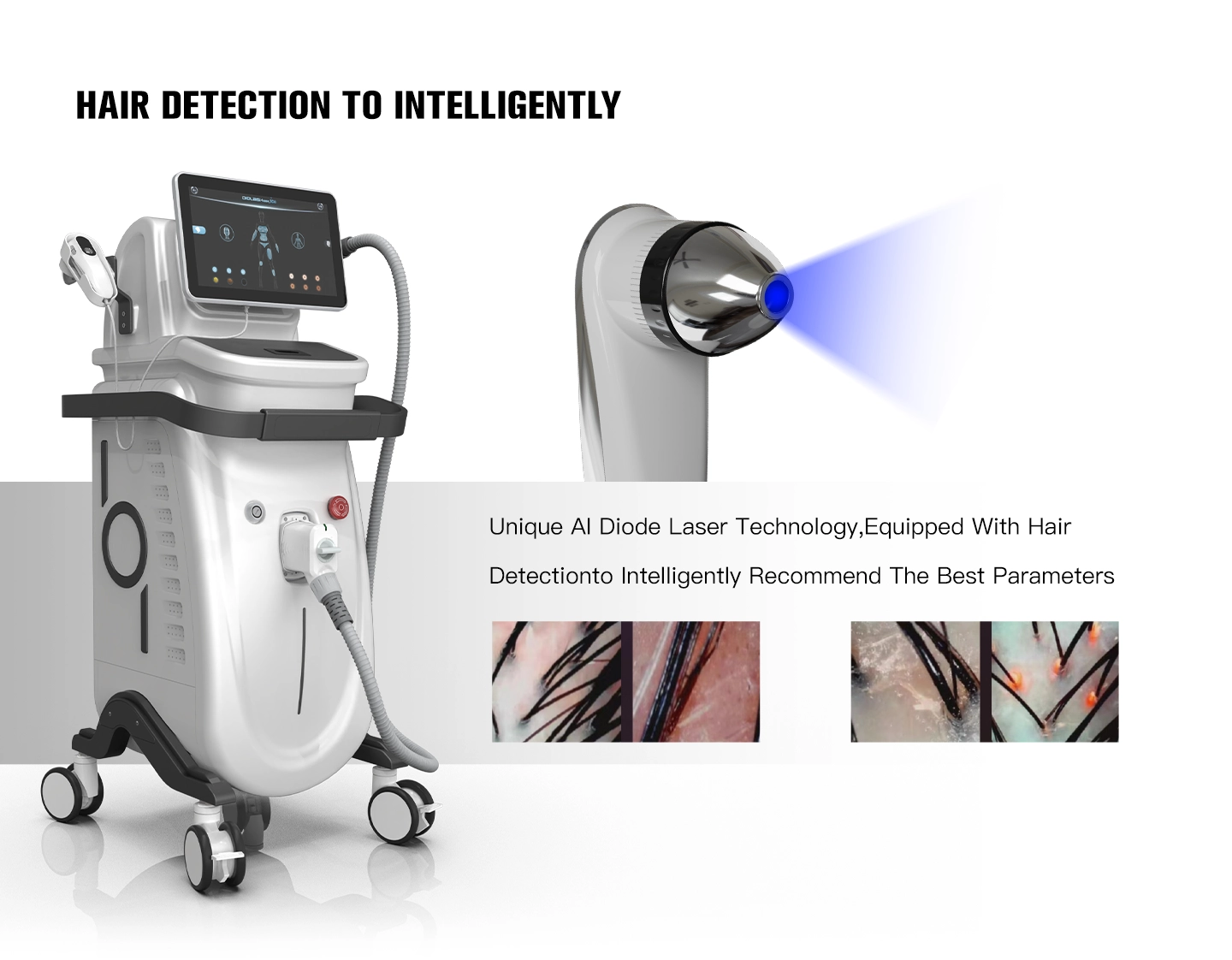
A longer wavelength than expected shows poor heat contact and overheating inside the diode. This impacts treatment precision. It also signals risk to device life if not fixed. Diode laser hair removal, as provided by top brands like Nubway, represents advanced technology in skin care. The process uses specific wavelengths, often around 808 nm. It targets melanin in hair follicles for all skin types. The follicles absorb the light energy. It turns to heat and damages the follicle. This stops future hair growth. Keeping temperatures right directly affects wavelength stability. It ensures accurate melanin targeting without harming nearby tissue.
Major wavelength drift can ruin results. It should lead to quick checks of cooling parts. The laser light from Nubway diode laser hair removal devices is readily absorbed by colored follicles. It spares the skin surface. Follicles get permanent damage, leading to lasting hair removal.
By using full cooling approaches—choosing proper materials, good interface bonding, strict thermal tests, and ongoing wavelength checks—engineers and clinicians can get the most performance and safety from any diode laser machine. Nubway offers strong examples with its advanced cooling and sapphire contact features under professional beauty services.
FAQ
Q: What is waste heat in diode laser machines?
A: Waste heat is the leftover energy when electrical power does not fully become laser light. It often makes up 40–90% of input power in diode lasers with 10–60% efficiency.
Q: Why is operating temperature important for diode laser hair removal devices?
A: Correct temperature stops fast damage from heat and prevents condensation below 15°C. Advanced systems like Nubway can safely go to -30°C for painless sessions.
Q: What cooling systems are best for high-power diode laser machines?
A: High-power needs active options. These include water cooling, thermoelectric coolers (TECs), or advanced contact cooling with sapphire crystal, as seen in Nubway machines.
Q: How can I check if the cooling system in my diode laser machine is working effectively?
A: Do a temperature drop check. Aim for 1–2°C with thermocouples. Or watch for wavelength shift (about 1 nm per 4°C rise). Big changes mean heat management problems.