
People want smoother skin these days, but not the kind of “treatment” that knocks them out for weeks. That’s why CO2 fractional laser machine keeps popping up in clinics. It’s one of those machines that quietly does heavy work—resurfacing, tightening, fading marks—without the drama.
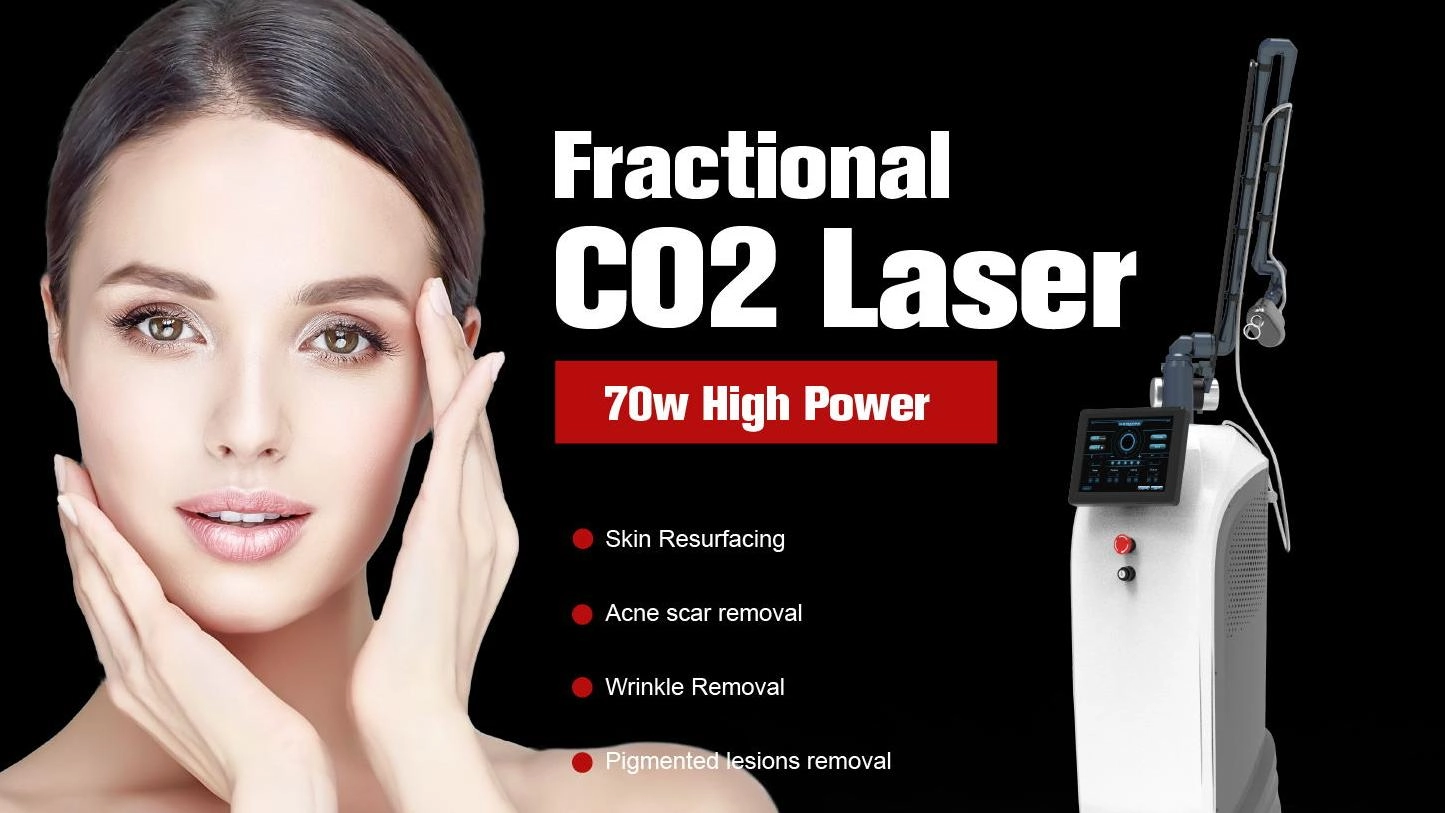
Still, one question everyone asks (patients, even new operators): how many sessions are we talking about? The short answer? It depends. The long answer—well, let’s walk through it.
Understanding How Fractional CO2 Laser Works
What “fractional” really means
Older CO2 systems used to blast off the whole top layer of skin. They worked but left people red and peeling for ages. The fractional version is gentler. It treats the skin in little dots—tiny columns of heat—so some areas stay untouched and help the rest heal faster. That’s why it’s called “fractional.” It’s not burning everything; it’s teaching the skin to fix itself in patches.
You’ll see it used for wrinkles, old acne marks, rough texture, or uneven tone. The laser pokes micro holes that push the body to grow new collagen. It’s like giving skin a reason to repair what time wore down.
How it works under the surface
The heat clears out dull, damaged cells and tells your body to rebuild. Collagen and elastin start forming quietly underneath. The handpiece moves in a pixel grid over the face or neck, dot by dot, with a rhythm that looks almost calming when you watch it. And no, the result isn’t instant. But week by week, skin starts to feel tighter, more even, less tired-looking.
Why one session isn’t enough
CO2 fractional laser is a slow builder. The first round wakes the skin up, the second firms it, the third refines texture. Sometimes a fourth or fifth adds polish. Most clinics stick to 3–5 sessions, spaced apart. You let skin breathe and rebuild between them—it’s the collagen that takes time, not the laser.
Key Factors That Influence the Number of Sessions
Condition and depth
Shallow lines or mild scars? Two, maybe three. Deep acne pits or thick wrinkles? Could be five or six. Some clinics take progress photos every visit because changes creep up slowly—you don’t notice until you compare.
Skin type and tone
All skin tones can be treated, but darker ones need extra care. Too strong a beam can cause pigment issues later. That’s why doctors go easier and wait longer between visits—about a month, sometimes six weeks. Lighter skin can handle more power, shorter breaks. It’s like tanning—everyone burns differently.
Area and location
Treating the upper lip or eye corners takes less time, fewer sessions. A full face, or face plus neck, demands more energy spread out evenly. The neck heals slower—it’s thinner, more delicate. Good operators tweak power as they move; the same setting everywhere would be risky.
Age, health, healing habits
Younger skin recovers faster, simple as that. People who smoke, have diabetes, or just don’t sleep well—skin bounces back slower. Clinics sometimes give longer recovery gaps or milder passes. There’s no medal for rushing; slow progress is still progress.
Machine settings and who’s holding the handle
The CO2 fractional laser machine is a tool—it’s all about how it’s used. Power, density, scan speed, pulse width—they all shape the result. Some clinics go softer, more often; others go hard once and give long rest. Neither is wrong. What matters is how your skin behaves after.
Lifestyle and after-care
This part makes or breaks results. If someone leaves the clinic, goes straight into sun, or skips moisturizer, recovery stretches longer. A patient who follows after-care—cooling mask, SPF, gentle cleanser—usually sees smoother skin sooner. Even sleeping face-down after CO2 laser treatment can slow healing a bit.
Combination with other treatments
Mixing fractional CO2 with PRP or radiofrequency gives faster results. Some clinics do combo plans when patients want results before a wedding or holiday. It’s not cheating—it’s smart layering. The skin gets help from different angles.
Session Planning & What to Expect
How many and how far apart
Three to five sessions, spaced four to six weeks apart, is the sweet spot most clinics mention. That gap gives your skin time to rebuild before the next hit.
The healing phase
Redness and puffiness hang around for a few days. Tiny flakes start falling by day three. By week two, the skin looks calmer, brighter. Underneath, collagen’s still working. You might forget about it until someone says, “Hey, your skin looks nice lately.”
Visible progress
After one session—glow.
After two—texture softens, tone evens.
After three or four—scars fade, fine lines blur.
It’s steady, not shocking. That’s the point.
When to stop
There’s a fine line between improvement and overdoing it. Most doctors stop when the skin looks balanced and healthy. Chasing “perfect” can lead to thinning or uneven tone. Better to quit while it’s beautiful.
For Clinics and Buyers
If you’re running a clinic or looking at machines, pick one that lets you adjust everything: energy, density, cooling, scan mode. No two patients are the same. Flexibility is gold.
Also—train your staff well. Good technique beats fancy settings every time.
Be real with your clients. Say “you’ll see gradual change,” not “you’ll look brand-new tomorrow.”
And follow up. Take pictures, note reactions, tweak settings next time. Patients remember when you pay attention. That’s what keeps them coming back.
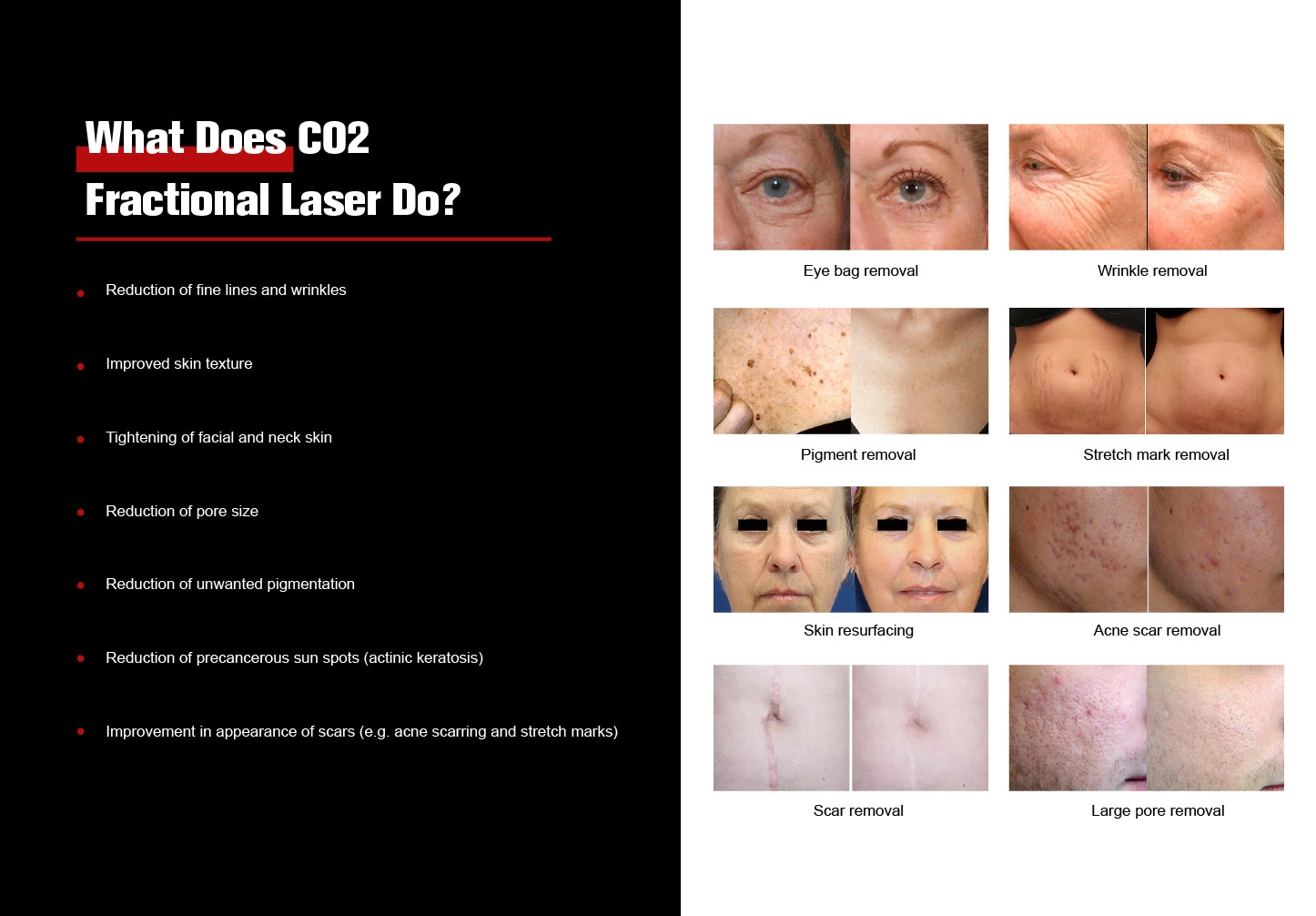
A CO2 fractional laser service can change skin, no doubt. But the secret isn’t just the machine—it’s rhythm, skill, and patience. Every face heals its own way. The best clinics know when to push and when to wait. Results that come slowly tend to stay longer.
If you’re hunting for solid, adjustable CO2 systems that blend precision with comfort, Nubway’s fractional CO2 line deserves a closer look—it’s built for the kind of quiet, consistent work modern skin clinics rely on.
FAQ
Q: How many CO2 fractional laser treatments do most people need?
A: Usually 3–5. Deep scars might stretch to six. The best plan fits your skin, not a number on paper.
Q: Can one session of CO2 fractional laser machine ever be enough?
A: Sometimes for mild tone or small areas, yes. But most people need more—it’s collagen, not magic.
Q: Is CO2 fractional laser machine safe for darker skin?
A: Yes, when handled gently. Lower power, longer breaks. Don’t cut corners here.
Q: How long between sessions of CO2 fractional laser machine?
A: Around a month, maybe six weeks. Rushing it just stresses the skin—better to let it breathe.