
Understanding the Benefits of a Diode Laser Hair Removal Machine
In recent years, diode laser hair removal machines have quietly become the workhorse of many aesthetic clinics. Not because they are flashy, but because they simply work — day after day, client after client.
Compared with older hair removal methods, diode laser technology offers a balance that most clinics are actually looking for: stable results, reasonable treatment speed, and a learning curve that doesn’t scare new operators away.
It’s not magic. It’s just mature technology.
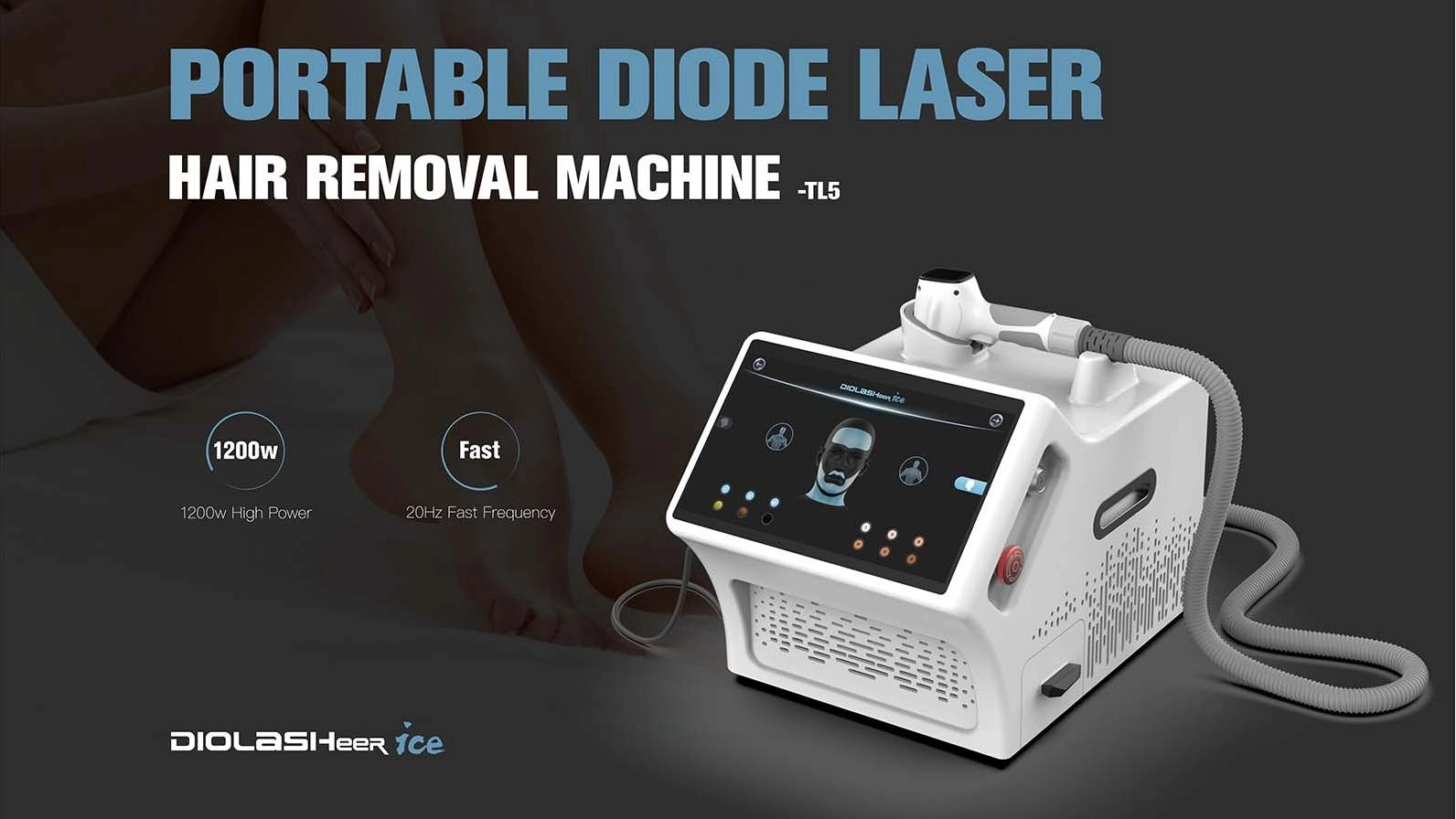
What Is Diode Laser Hair Removal?
Diode laser hair removal treatment is a non-invasive treatment that uses concentrated light energy to target hair follicles under the skin. The commonly used wavelength is around 808 nm, which happens to be a “sweet spot” for melanin absorption.
In plain terms:
The light goes through the skin, heats the hair root, and weakens its ability to grow back.
Over time, hair grows slower, becomes thinner, and in many areas simply stops coming back.
Why Clinics Prefer Diode Systems
- Long-term hair reduction, not just surface removal
- Far fewer ingrown hairs than waxing or shaving
- Skin feels smoother after repeated sessions
- Less frequent maintenance visits for clients
- Works on a wide range of skin tones when settings are adjusted correctly
Many clinics report that after a full course of treatment, visible hair reduction can reach 80–90%, with regrowth much finer and lighter.
How Diode Laser Technology Actually Works
This part matters when choosing a machine.
When wavelength, pulse width, and energy are set correctly, the laser passes through the epidermis and reaches the hair follicle. The melanin absorbs the light and turns it into heat. That heat damages the follicle enough to slow or stop future growth.
Most professional diode machines operate in the 800–810 nm range, which gives good penetration depth while still targeting melanin efficiently. That’s why diode lasers sit nicely between Alexandrite and Nd:YAG systems.
They’re not extreme. They’re practical.
Key Features That Matter in Daily Use
Specs on paper are one thing. Daily operation is another.
Adjustable Energy and Pulse Settings
A good diode laser machine should allow easy adjustment of energy levels and pulse duration. This is not optional.
Clients are different:
- Fair skin, fine hair
- Dark skin, coarse hair
- Sensitive areas like face or bikini
Without flexible settings, treatments either become unsafe or ineffective. Clinics that handle mixed Fitzpatrick types rely heavily on this adjustability.
Cooling System — More Important Than Many Think
High power means nothing if clients can’t tolerate the treatment.
Many modern diode handles include:
- Real-time temperature sensing
- Strong internal refrigeration
- Sapphire crystal contact tips
Some systems cool the contact surface down to -30°C. In real sessions, this makes a noticeable difference. Clients move less. Operators can use proper energy levels. Treatments go faster.
Pain complaints drop. That alone saves time at the front desk.
What a Typical Treatment Session Looks Like
From a client’s point of view, a diode laser session is fairly straightforward.
Common sensations:
- Mild warmth
- Light tingling
- Temporary redness, usually gone within hours
Typical session flow:
- Clean the treatment area
- Activate cooling or apply gel if needed
- Set parameters based on skin and hair type
- Deliver laser pulses (sliding or stamping mode)
- Apply calming products afterward
Treatment time depends on area size. Underarms may take 10–15 minutes. Legs or back can reach 45–60 minutes.
Why Clinics Choose Diode Laser Equipment
Faster Treatments, Fewer Sessions
High-power diode machines (often around 3000W system power) combined with strong handpieces shorten treatment cycles.
Older systems often require 6–8 sessions.
Efficient diode systems can reduce this to 3–5 sessions.
Add high repetition rates like 10Hz or 20Hz sliding mode, and treatment speed improves even more. This directly affects daily appointment capacity.
Trust Comes from Reliability
Certifications matter, especially for long-term business.
Machines that pass:
- ISO13485
- Medical CE (TUV)
- FDA registration
tend to be easier to insure, easier to market, and easier to explain to cautious clients. It’s not just paperwork — it’s peace of mind.
Diode Laser vs Other Hair Removal Options
Diode vs IPL
IPL is cheaper, but results are less consistent. Penetration depth is limited, and performance drops on darker skin or finer hair.
Diode lasers offer:
- Deeper, more controlled energy delivery
- Better consistency across skin types
Diode vs Waxing or Shaving
Waxing and shaving remove hair temporarily. That’s it.
Diode lasers target the source. Clients who are tired of constant upkeep usually understand this difference quickly.
Diode vs Other Laser Types
Diode vs Alexandrite (755 nm)
Alexandrite works well on light skin but struggles with darker tones. Diode lasers handle a broader range more safely.
Diode vs Nd:YAG (1064 nm)
Nd:YAG penetrates deeper and is safer for very dark skin, but melanin absorption is weaker. Diode lasers sit in the middle — balanced depth and efficiency.
That balance is why many clinics choose diode as their main system.
Technical Specs Worth Checking Before Buying
Key parameters that actually affect performance:
- Wavelength: 808 nm standard; multi-wavelength (755/808/940/1064 nm) adds flexibility
- Fluence: Must support stable high energy without overheating
- Pulse Duration: Shorter pulses help protect surrounding skin
- Spot Size: Common options include 12×12 mm, 12×20 mm, 12×24 mm
- Repetition Rate: Up to 20Hz for fast coverage
- Contact Tip: Sapphire crystal for effective cooling
Bigger spot sizes = faster sessions. Simple math.
Lifespan and Machine Durability
This is where ROI really starts.
Professional diode laser machines often advertise 50–100 million shots. That number matters if the diode bars are high quality and cooling is stable.
Actual lifespan depends on:
- Daily usage volume
- Cleaning habits
- Whether filters and cooling systems are maintained
Clinics that treat the machine like a long-term asset usually get many years out of it.
ROI: Does the Investment Make Sense?
In most cases, yes.
Typical calculation includes:
- Machine cost
- Average price per session
- Sessions per client (usually 3–5)
- Monthly client volume
With faster sessions and fewer treatments needed, many clinics recover costs within months, not years. Especially in areas where hair removal demand stays steady year-round.
Choosing the Right Manufacturer
The machine itself is only part of the deal.
Look for:
- Clear warranty terms
- Training support
- Fast technical response
- Easy access to spare parts
Downtime kills profit faster than anything else.
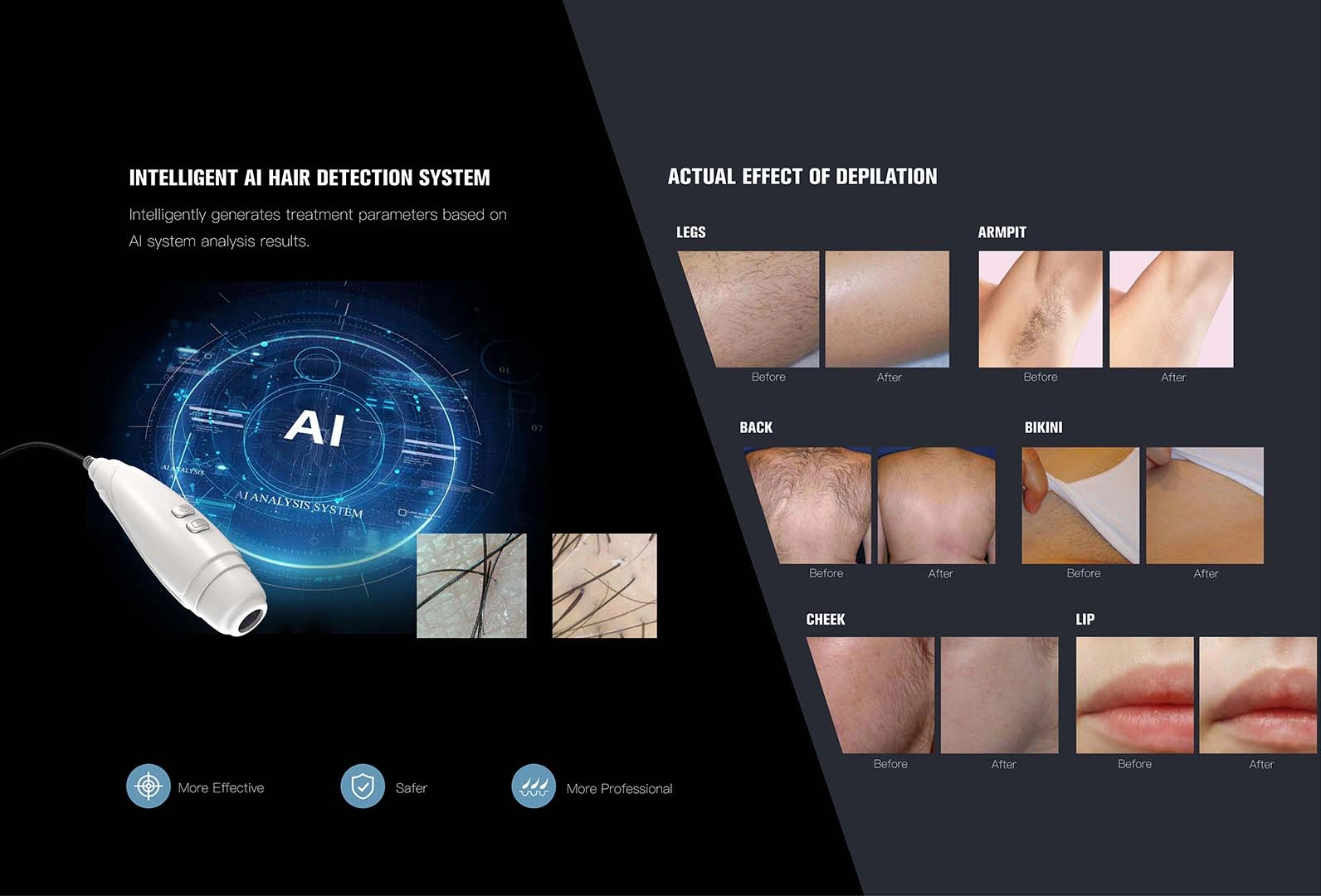
Choosing a diode laser hair removal machine from Nubway isn’t about chasing the newest feature list. It’s about finding a system that works reliably, treats clients comfortably, and keeps running without drama.
High power, flexible settings, solid cooling, long lifespan — these things matter more than fancy screens or marketing words.
When those basics are right, both results and revenue usually follow.
FAQ
Q: How many sessions are usually needed in diode laser hair removal?
A: Most clients see good results in 3–5 sessions, depending on hair type, area, and growth cycle.
Q: Is diode laser safe for all skin types?
A: Yes, when parameters are adjusted correctly and proper cooling is used.
Q: How long does a diode laser machine last?
A: High-quality systems can reach tens of millions up to 100 million shots with proper maintenance.
Q: Is a diode laser machine profitable for clinics?
A: In most markets, yes. Shorter sessions and high demand make payback periods relatively short.