
Why the Picosecond Laser Leads the 2026 Shift Toward Advanced Tattoo Removal
Why Is the Picosecond Laser Redefining Tattoo Removal Technology in 2026?
The Evolution of Tattoo Removal and the Role of the Picosecond Laser
Tattoo removal has seen a huge change over the last few decades. Old ways like dermabrasion and chemical peels were quite invasive. They often caused scarring. Then, Q-switched lasers came in during the late 20th century. This was a big step forward. They allowed selective photothermolysis. It targeted pigment molecules with little damage to tissues. But these nanosecond-based systems needed many sessions. They also had trouble with some ink colors.
The picosecond laser machine from Nubway totally shifted this approach. Pico stands for ‘one trillionth’. Picture turning a light switch off and on one trillion times in a single second. That’s what a picosecond pulse means. It sends light energy into the skin in that tiny time frame. This super-quick pulse length gives exact energy release. It breaks down pigment particles much better than past methods.
By 2026, steady upgrades in laser accuracy, wavelength options, and cooling features have turned picosecond lasers into the top choice for tattoo removal. Better targeting now lets experts handle multi-colored tattoos well. It does this while cutting down side effects like blistering or hyperpigmentation.
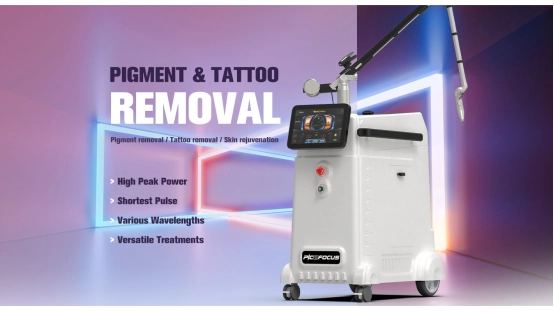
How the Picosecond Laser Differs from Earlier Technologies
Traditional nanosecond lasers mainly use heat to break up ink particles. Picosecond lasers work differently. They use photomechanical effects. The picosecond pulses go into the skin. They make a photomechanical effect called a ‘pressure wave’. These waves hit spots in the skin, such as tattoo pigments or hyperpigmentations and scarring. The waves ‘squeeze’ those cells. This makes them break into tiny pieces. So, the pigment bits are smaller. The body’s immune system can clear them out more easily.
Plus, these pulses are very short. They last just trillionths of a second. That keeps heat from spreading to nearby tissues. Less heat means less pain during the session. It also leads to quicker healing than with Q-switched or nanosecond setups.
How the Picosecond Laser Enhances Tattoo Removal Efficiency and Safety
The Science Behind Picosecond Laser Precision
The core science of picosecond tech is its power to send focused energy blasts right to pigment molecules. It avoids overheating nearby skin parts. The picosecond laser machine sends fast laser energy in picoseconds. This shatters pigmentation. It also boosts collagen growth. The breakup process creates tiny ink bits. Macrophages naturally remove them through lymphatic drainage.
This sharp precision cuts down risks from too much heat. Such risks include scarring or changes in pigmentation after inflammation. So, it works well for all Fitzpatrick skin types under current skin care rules.
Clinical Advantages of Using a Picosecond Laser for Tattoo Removal
Studies in clinics show better results with picosecond systems than with older ones. The picosecond laser treatment started for tattoo removal. Experts found it cleared dark pigments better than regular lasers. Also, picosecond tech shows good effects on the skin surface. It heals fast on colored tattoo pigments. A full review of picosecond lasers for tattoo removal noted this. It said 69-100% of tattoos had over 70% pigment clearance after 1-10 sessions in people.
This works well. Patients often need just three to five sessions for small tattoos. They see clear fading. Plus, new setups with multiple wavelengths target tough colors like blue and green inks. Those colors were hard to treat before.
What Makes the Picosecond Laser a Preferred Choice Among Practitioners in 2026?
Professional Adoption Trends of the Picosecond Laser in Dermatology Clinics
By 2026, skin doctors pick picosecond systems more often. They like the reliable results and short recovery time. Clinics point out high patient happiness. This comes from quick visible changes and low pain during sessions. Many new beauty treatment platforms now include picosecond parts. They mix with other tools like fractional resurfacing or skin renewal options. This boosts work flow in clinics.
These devices handle more than tattoo removal. They fix pigmentation or reshape acne scars too. So, they give great value for money to experts. With fantastic services like these, clinics see better returns.
Economic and Technological Factors Driving the Popularity of Picosecond Lasers
Tech improvements have lowered device prices. This makes them available in more places around the world. Makers keep putting money into research and development. They aim to boost things like pulse steadiness and cooling power. As more people use them, costs drop further for clinics due to larger production.
Market forecasts show ongoing growth in 2026. People want non-invasive beauty treatments that give quick results with low risk. With good safety, these money factors keep picosecond tech as a key leader in skin care advances.
How Does the Picosecond Laser Improve Patient Experience During Tattoo Removal?
Comfort and Recovery Benefits Offered by the Picosecond Laser
Patient ease is key to how happy they feel with treatment. The very short pulse time sends energy so fast. This cuts down on pain a lot compared to old ways with longer heat times. For some, the laser tattoo removal feels like getting a tattoo. But it ends much quicker. After treatment, things like brief whitening or slight redness fade soon. No long wait time is needed.
Less heat damage speeds up healing too. People can get back to daily life right after each visit. They keep good looks from the process.
The Psychological Impact of Faster Tattoo Removal with Picosecond Lasers
Besides body benefits, quicker sessions have real mental effects on patients who want to clear tattoos. Shorter plans reduce tiredness from drawn-out treatments. Those can take many visits over years. Fast fading builds confidence back. This helps those seeking change for personal or job reasons. It matters for people removing tattoos tied to old times they want to leave behind.
What Are Future Innovations Expected for the Picosecond Laser Beyond 2026?
Emerging Research on Next-generation Picosecond Laser Applications
Studies go on to find new uses for this flexible tech past basic tattoo removal. Adding AI-based imaging could map pigment spread in real time. This would fine-tune energy use for each person’s needs. Setups with many wavelengths get better tweaks. They handle tricky ink mixes with metals or stacked pigments more sharply.
Combined systems mix picosecond accuracy with fractional resurfacing. They offer joint perks. At the same time, they rebuild collagen and clear leftover pigment. This improves skin health after removal.
Sustainability and Accessibility Trends in Picosecond Laser Development
Green ideas now guide designs for new devices. Makers focus on parts that save energy. They keep strong output without waste. Handheld versions in the works will help small clinics worldwide. They cut needs for big setups. Yet, they match full systems in advanced features.
These changes make sure the tech keeps growing. It heads toward safer, brighter, and greener ways in the fast-changing world of aesthetic medicine.
FAQ
Q: How does a picosecond laser remove tattoos more effectively than older laser systems?
A: The picosecond laser delivers ultra-short pulses that break down ink particles into microscopic fragments without overheating surrounding tissue, leading to faster clearance and fewer sessions compared to traditional nanosecond lasers.
Q: Is the picosecond laser safe for all skin types during tattoo removal treatments?
A: Yes, modern picosecond laser systems are designed with adjustable wavelengths that allow safe use across various skin tones, minimizing risks of hyperpigmentation or scarring when operated by trained professionals.
Q: What can patients expect from a picosecond laser tattoo removal session in 2026?
A: Patients can anticipate shorter treatment times, less discomfort, quicker recovery, and improved fading results thanks to advancements in pulse precision and cooling technologies integrated into 2026’s latest picosecond laser models.