
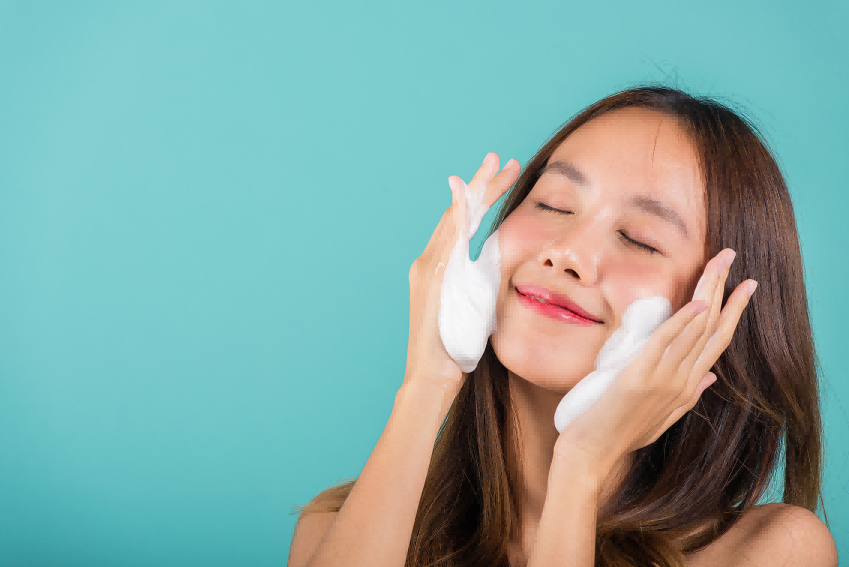
1. Skin Barrier: The Invisible Boundary of Cleansing
Cleaning is the first and crucial step in daily skincare. However, in the pursuit of cleanliness, we often unconsciously cross an invisible boundary – the skin barrier. The skin barrier is mainly composed of the sebum membrane and stratum corneum, which are like the “brick wall structure” of the skin. Keratinocytes are the “bricks”, and intercellular lipids are the “cement”, jointly guarding the moisture inside the skin and resisting the invasion of external stimuli, allergens, and microorganisms.
Excessive cleaning or improper use of products can wash away this precious sebum membrane, damage intercellular lipids, and cause the skin barrier to loosen and crack. The result is an accelerated loss of skin moisture, becoming dry, tight, sensitive, and even causing a series of problems such as redness, tingling, and acne. Therefore, the essence of cleanliness is not to pursue absolute sterility or zero oil, but to maximize the protection of the integrity and health of this natural barrier while removing dirt, excess oil, and aging keratin.
The true wisdom of cleanliness lies in achieving a delicate balance: washing away what needs to be washed and leaving behind what needs to be left.
2. Unbalanced Cleaning: the Dual Trap of Excess and Deficiency
The cleanliness dilemma of modern people often leads to two extremes.
One end is excessively cleaned. This stems from a deep anxiety about oil and clogged pores. Many people are accustomed to using soap based cleansers with strong cleaning power, frequently using facial cleansers, performing secondary cleaning (such as using strong cleansers after removing makeup), and even using exfoliating products every day. This oil scraping style of cleaning may bring a sense of astringency in the short term, but in the long run, it will force sebaceous glands to compensate for the secretion of more oil and severely weaken barrier function, forming a vicious cycle of “external oil and internal dryness”, making the skin more sensitive and inflamed.
On the other end, there is insufficient cleaning. This is common when washing your face with only water, or when using products with weak cleaning power that cannot effectively remove oil soluble dirt (such as oxidized sebum, sunscreen, makeup). Residual dirt and oil can mix with keratin, clog pores, provide nutrients for Propionibacterium acnes, and may also cause blackheads, pimples, and inflammation. Especially for people with oily skin or those in polluted environments, insufficient cleaning is also detrimental to barrier health.
Therefore, finding the “balance point” that suits one’s skin condition is the core of cleansing.
3. Scientific Cleanliness: Four Core Principles for Achieving Balance
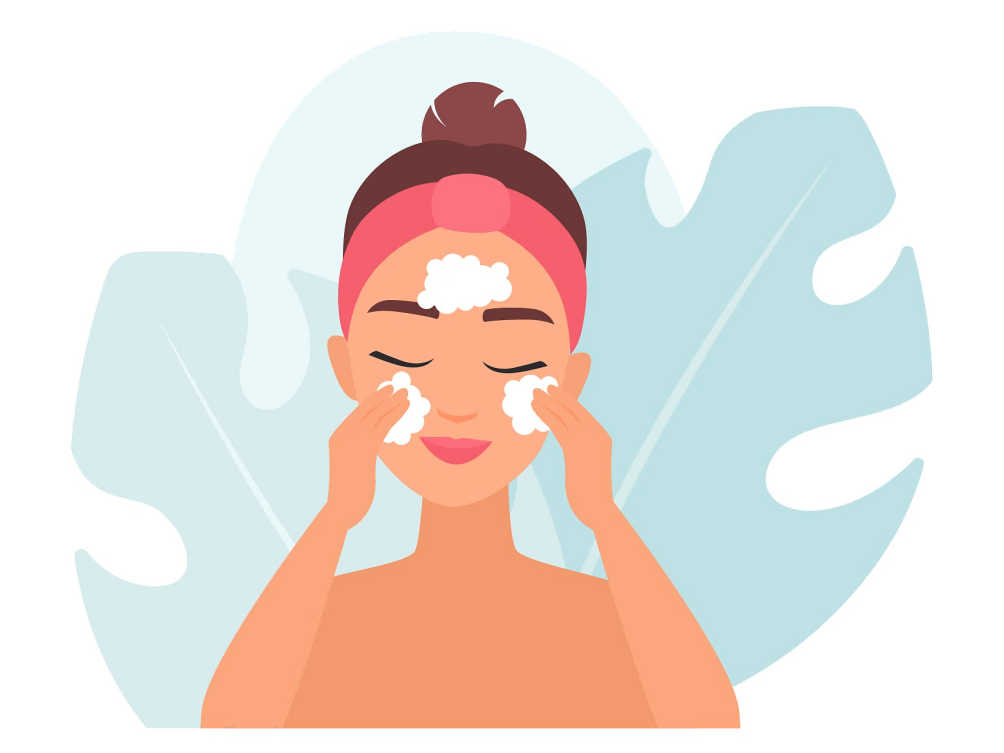
To practice the balanced art of washing clean without damaging the barrier, the following four core principles must be followed.
3.1 Adjusting Based on Skin Type, Flexible Cleansing
There is no unified standard for cleaning plans, and they must be based on skin type. For dry/sensitive skin, amino acid, APG (alkyl glucoside) isothermal and surface active cleansing should be the first choice. Milk and cream texture is preferred to avoid frequent blistering and friction. Oily/combination skin can be distinguished between morning and evening. Use warm water or gentle cleansing in the morning, and use amino acid compound or mild soap based products with certain cleansing power at night depending on the situation, with a focus on cleaning the T-zone. Neutral skin is the easiest to maintain balance and has the widest range of choices, but it should still be mainly gentle. It should be noted that skin type may change with seasons, environments, and hormonal changes, and cleaning products should also be dynamically adjusted accordingly.
3.2 Water Temperature, Cleansing Time, and Technique are Key Details
The water temperature should be close to the skin temperature (about 32-35 ℃). Overheated water can excessively remove grease, while supercooled water cannot effectively clean. The longer the cleaning time, the better. The full face massage time should be controlled within 30-60 seconds to avoid prolonged rubbing. The technique should be gentle, using fingertips to circle instead of vigorously rubbing with nails or rough cleansing tools. Rinse thoroughly, especially at dead corners such as hairline and chin edges.
3.3 Understand Ingredients & Formulas: Decoding the Label
Understanding the core of cleaning products – surfactants – is the foundation for making wise choices. Soap base (with “fatty acids+alkaline agents” appearing earlier in the ingredient list) has strong cleaning power and a high pH value, making it suitable for occasional use on healthy oily skin. Amino acid surfactants (such as potassium cocoyl glycinate and sodium lauroyl sarcosinate) have a pH value close to the skin, are gentle and skin friendly, and are excellent in balancing cleansing power. APG surfactants (such as “decyl glucoside”) are milder, but may have a slight membrane sensation after washing, making them very suitable for sensitive muscles. SLS/SLES (Sodium Lauryl Sulfate/Ammonium) has strong cleaning power and high irritation, and should be carefully selected. Preferred compound facial cleanser, achieving the best balance between mildness and cleansing power through a variety of surface active and scientific combinations.
3.4 Special Care for Special Situations
Makeup remover is a strong cleaning step that should follow the principle of “oil dissolves oil”. For light makeup or sunscreen, makeup remover lotion and makeup remover water can be used (combined with a soft cotton pad for gentle wiping); For heavy makeup, makeup remover oil or cream is needed. The key is whether a second cleaning is needed after removing makeup? If you are using high-quality makeup remover products that are easy to emulsify and can be thoroughly rinsed off, there is no need to use facial cleanser at all to avoid excessive cleaning. Exfoliation (physical friction or chemical acid) is not a part of daily cleaning and should be considered as special care. Healthy skin should not exceed 1-2 times a week, while sensitive skin should significantly reduce frequency or completely avoid it.
FAQ
Q1: How can I determine if my cleaning is excessive?
After cleaning, if the skin feels abnormally tight, dry, itchy, or shows visible redness, peeling, or even a stinging sensation when using subsequent skincare products, these are typical signals of excessive cleaning. Long term excessive cleaning can also lead to dryness of the external oil and increased sensitivity.
Q2: I have oily skin and always feel like I can’t wash it clean. What should I do?
The key to cleansing oily skin lies in frequency and product selection, rather than intensity. You can try to differentiate between morning and evening care: use warm water or extremely gentle cleansing in the morning to remove excess oil secreted at night; Use products with moderate cleaning power (such as amino acid compound) to thoroughly clean at night. Avoid using cleansers with strong oil control and a scrubbing sensation, as it can stimulate sebaceous glands. 1-2 deep cleaning sessions can be scheduled per week for the T area, but daily protection barriers still need to be a prerequisite.
Q3: Do I need to remove makeup even without makeup?
not always. If you don’t wear makeup but use strong waterproof and sweat resistant sunscreen, physical sunscreen (containing titanium dioxide and zinc oxide), or are in a heavily polluted air environment, it is recommended to use makeup remover products or mild makeup remover lotion for the first step of cleaning. If using ordinary non waterproof chemical sunscreens or skincare products, most mild cleansers are sufficient for cleansing.
Q4: How should sensitive skin choose cleansing products?
Mild sensitivity should be given extreme priority for sensitive muscles. The preferred ingredient list is simple, without essence and pigment. In terms of surfactants, APG (alkyl glucoside) and pure amino acid surfactants are ideal choices. Texture preference lotion, frost like low foam or no foam type. Avoid all cleansing products that claim to be exfoliating or powerful oil control.