
RF Microneedling Downtime: Day-by-Day Recovery Timeline (With Photos & Expert Tips)
What Does RF Microneedling Downtime Typically Look Like?
How RF Microneedling Affects the Skin During Recovery
The RF microneedling recovery time often involves noticeable redness and slight swelling. Patients might also experience a warm sensation. The skin frequently feels tight or somewhat rough. Many individuals compare this specific feeling to a standard sunburn. This physical reaction occurs for a clear reason. The procedure carefully forms tiny, controlled wounds across the skin surface.
At the exact same time, it delivers radiofrequency heat down into the deeper tissue layers. These two combined processes make the treatment highly effective. They improve surface texture, minimize pores, and boost overall firmness. Furthermore, they clearly explain why visible RF microneedling side effects remain completely normal during the early days.
Is RF Microneedling Downtime the Same for Everyone?
RF microneedling healing stages vary from person to person. Sensitive or reactive skin may stay pink longer, while stronger skin barriers often bounce back faster. A face-only session may also be easier than a face-and-neck or larger-body treatment.
Post-procedure care is equally vital as your specific skin type. Following proper RF microneedling aftercare instructions will lessen extra discomfort. Meanwhile, strong skincare items, rubbing, and high temperatures often delay the healing process. Learning the expected schedule early builds practical goals. Furthermore, this information decreases stress before the procedure.
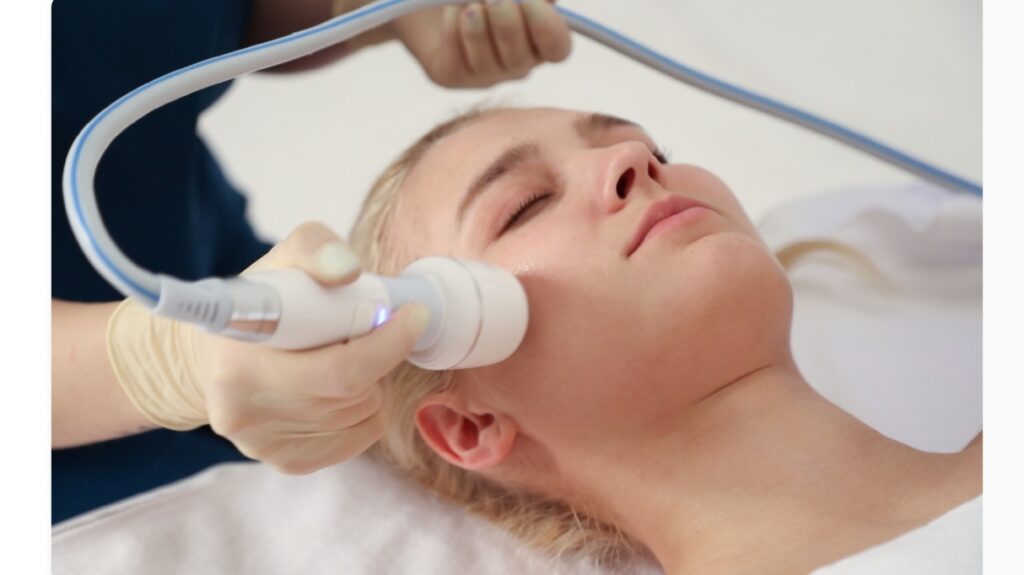
Day-by-Day RF Microneedling Downtime Recovery Timeline
Day 1: What Should You Expect Right After Treatment?
Right after treatment, the skin usually looks red, flushed, and mildly swollen. Some people notice a prickly heat sensation, sensitivity, or tightness for several hours. Tiny pinpoint marks may appear, especially after deeper settings or more aggressive passes.
This is the phase when skincare should stay minimal. Use only gentle, barrier-supportive products and avoid testing anything new. The goal on day 1 is not to speed healing aggressively, but to avoid triggering more inflammation.
Days 2–3: Redness, Swelling, and Early Skin Texture Changes
On the second and third days, the red color usually begins to clear up. A light pink tone might still show, however. Puffiness tends to go down on the cheeks and jawline first. After that, it gets better near sensitive spots like the skin under the eyes. Your face could begin to feel a bit dry. It might also seem rough or slightly like sandpaper. This rough feeling is a normal step during your RF microneedling healing time.
Some people also see mild bronzing or temporary grid-like marks. These changes can look alarming if you were expecting smooth skin immediately, but they are often part of the normal renewal process rather than a sign that RF microneedling side effects are worsening.
Days 4–7: Peeling, Dryness, and Gradual Skin Smoothing
In this timeframe, you might see a bit of flaking. Slight peeling can also happen. The top layer begins to feel much smoother. However, achieving complete clarity usually requires more time. Your specialist might give you permission to apply cosmetics. This is generally fine after the heavy irritation fades. Even so, most patients prefer to wait. It is usually best to hold off until the dry feeling and soreness fully disappear.
Sun protection becomes especially important here. Freshly treated skin is more vulnerable to UV exposure, and too much sun can worsen redness or post-inflammatory discoloration.
Week 2 and Beyond: When Do Results Start to Show?
Around the second week, the outer layer of your skin looks mostly healed. However, the actual work is not finished yet. Deep below the surface, collagen rebuilding keeps going. This activity lasts for several weeks or sometimes months. Because of this ongoing action, you will notice better skin texture. Your pores will look smaller over time. The skin also feels much firmer. These positive changes happen step by step instead of all at once.
Why Does RF Microneedling Downtime Vary So Much?
Treatment Settings, Skin Type, and Area Treated
The main factors depend on needle depth and RF energy. Treatment density plays a big role too. The overall size of the targeted area is just as important. Pushing the needles deeper usually creates more temporary redness. Furthermore, using higher power levels can lead to extra swelling right after the procedure. Sometimes, providers work on much larger regions. A combined face-and-neck session is a common example. Treating these bigger zones often prolongs the visible healing phase. Because of this, your skin might show clear signs of the treatment for a slightly longer time.
Pre-existing barrier health matters too. If the skin is already dry, over-exfoliated, or inflamed, RF microneedling healing stages may feel longer and less comfortable.
Aftercare Habits That Can Shorten or Prolong Recovery
Cleaning your face gently helps the recovery process. You need to apply daily moisturizer. Wearing sunscreen is just as important. These simple steps allow your skin to heal properly. Please do not rub your face. You must never scratch it either. Cleaning the treated area too often is actually harmful.
You must skip harsh skincare items at first. This includes strong retinoids. Peeling acids should be paused as well. Using them makes the skin stay red. It will remain sensitive for extra days. Excessive heat creates the exact same problems. Following provider-specific instructions is the safest approach because settings and skin response are not identical for every session.
What Should You Do and Avoid During RF Microneedling Downtime?
Skincare Steps That Support Recovery
Gentle cleansing and hydration
Wash your face using a gentle cleanser. Always choose lukewarm water for this step. You should strictly avoid hot water. After washing, gently press a clean towel against your skin to dry it. Do not rub the surface. Next, apply moisturizing products that will not cause irritation. These specific items help protect your natural skin barrier. Furthermore, you need to keep your daily care steps very basic. This straightforward approach is highly recommended during the initial days of healing.
Sun protection and environmental care
Your specialist will tell you the right time to start using sunscreen. Once they give approval, put it on regularly. You must also stay out of direct sunlight. Wearing a hat helps a lot. Finding shade offers even more safety. Furthermore, your recovering skin needs careful attention. Keep it away from strong winds. You should also avoid thick smog and very hot temperatures during this period.
Activities and Products to Pause Temporarily
What to avoid in the first few days
Avoid hard workouts, saunas, steam rooms, and hot yoga right away. Pause scrubs, retinoids, strong acids, and other harsh actives. Do not touch, rub, or pick at rough patches or flaking skin.
When makeup and normal routines may resume
Makeup should return only after the skin surface has calmed and your provider confirms it is appropriate. Resume your normal skincare gradually, not all at once. If stinging, redness, or tightness returns, the skin may still need a simpler routine.
How Do Professional Devices Influence Recovery and What Does Nubway Offer?
Can Device Quality Affect RF Microneedling Downtime?
Device precision can influence consistency, skin response, and the overall recovery experience. Adjustable depth and energy settings allow treatments to be tailored rather than applied with a one-size-fits-all approach. That matters when clinics want to balance visible results with manageable RF microneedling downtime.
Nubway RF Microneedling Product Overview
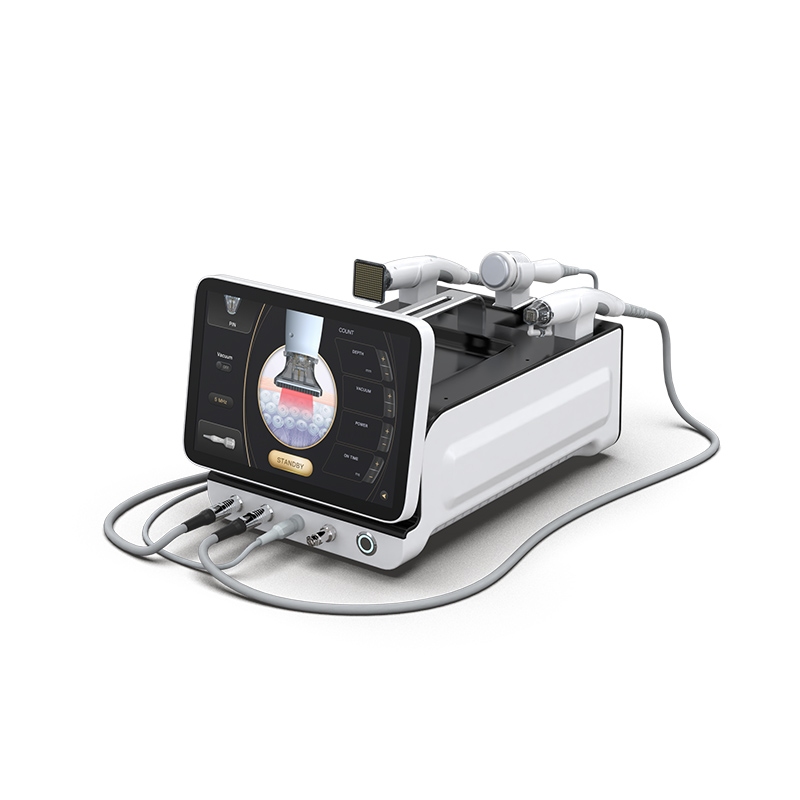
When clinics evaluate an RF microneedling machine, they often look at treatment versatility, user control, and support after purchase. On our product page, RF Microneedle appears as a core category, and TRF7 is listed as a Portable Vacuum RF Microneedling Machine.
What Clinics May Consider When Evaluating Nubway Equipment
We know clinics usually want flexible settings for different skin areas and treatment intensities, as well as reliable training and service. After the customer receives the goods, we will have professional beauty instructors who will use remote video calls to conduct one-on-one training on the use of the machine.
Our broader service structure also supports clinics that want continuity after installation. Our sales service team has more than 20 friendly members who are on hand to offer assistance 24/7. We also offer training, technical communication, and maintenance advice and services as part of our after-sales services.
FAQ
Q: Does RF microneedling downtime get worse after each session?
A: Not necessarily. Downtime depends on settings, current skin condition, and aftercare. Some sessions may feel easier if the skin is well prepared and the protocol is adjusted carefully.
Q: How long does redness last after RF microneedling?
A: Redness often improves within 24 to 72 hours, though mild pinkness can remain for several more days, especially after deeper treatments or in sensitive skin.
Q: Is RF microneedling downtime longer than regular microneedling?
A: It can be. RF microneedling pairs tiny needles with warm energy. As a result, certain patients might notice extra skin flushing, puffiness, or dry patches. This reaction is often more noticeable compared to a basic microneedling session.