
Post-Weight Loss Skin Tightening: How Aesthetic Clinics Treat Loose Skin After Fat Reduction
Loose tissue after substantial weight or fat reduction is not one uniform problem. A clinic must distinguish skin laxity from residual fat, changes in muscle volume and folds created by excess tissue. The location, severity, weight stability, medical history and patient’s expectations all influence whether a non-invasive treatment is appropriate. Effective skin tightening planning therefore begins with assessment, not with selecting the most familiar device name.
Why Does Weight Loss Leave Some Patients with Loose Skin?
How Do Residual Fat and Skin Laxity Differ?
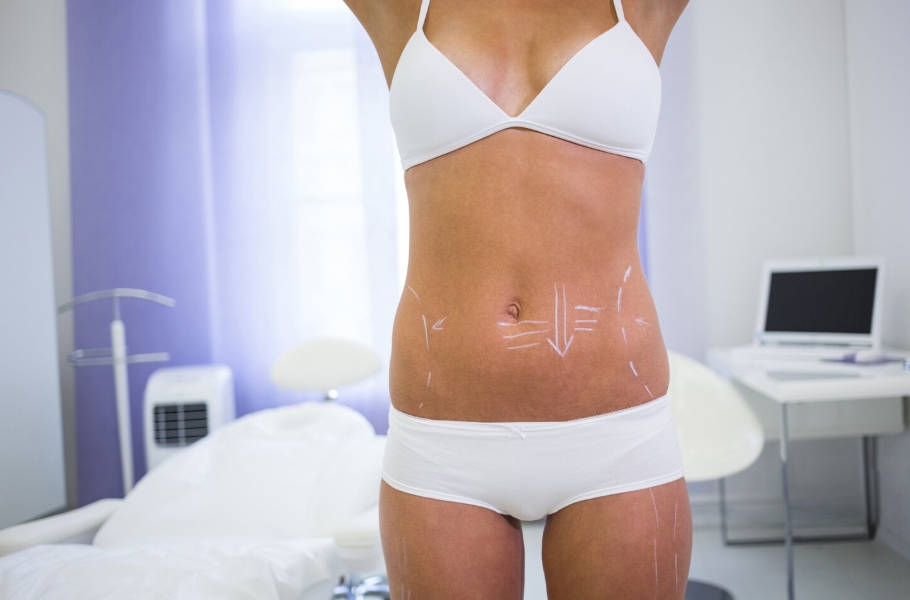
Skin can appear loose when its envelope no longer matches the volume beneath it. Age, genetics, sun exposure, the amount and speed of weight change, pregnancy history and previous weight cycling may all influence tissue quality. Residual subcutaneous fat can add fullness, whereas lax skin may form folds or move independently. These findings can coexist, but they are not interchangeable treatment targets.
Clinics should record what the patient wants to change and what can reasonably be addressed. A fat-reduction procedure cannot be presented as a complete answer to substantial excess skin. Conversely, a tightening-focused plan may not address remaining localised fat. Severe laxity or functional concerns may require referral for a surgical opinion rather than escalation of non-invasive energy.
When Should Clinics Assess Skin Quality and Treatment Timing?
An evaluation works best when providers know your full background. This includes recent weight shifts and your current medicines. They also need to understand your overall health alongside any future weight goals. Next, the clinic must check the target body area closely. Staff will measure tissue thickness. They will also see how loose the skin is. During this step, they must spot any signs that need a doctor’s review. No standard waiting time works for everyone. Therefore, the right schedule depends on a proper professional check. It also relies on having a steady and realistic goal for your treatment.
Baseline photography requires consistent lighting, distance, posture and camera position. Measurements and patient-reported concerns should also be recorded. This creates a credible reference for follow-up and helps staff avoid interpreting normal variation as a treatment effect.
Which Modalities Fit Post-Weight-Loss Laxity?
When Might Fat Cavitation and RF Skin Tightening Be Discussed Together?
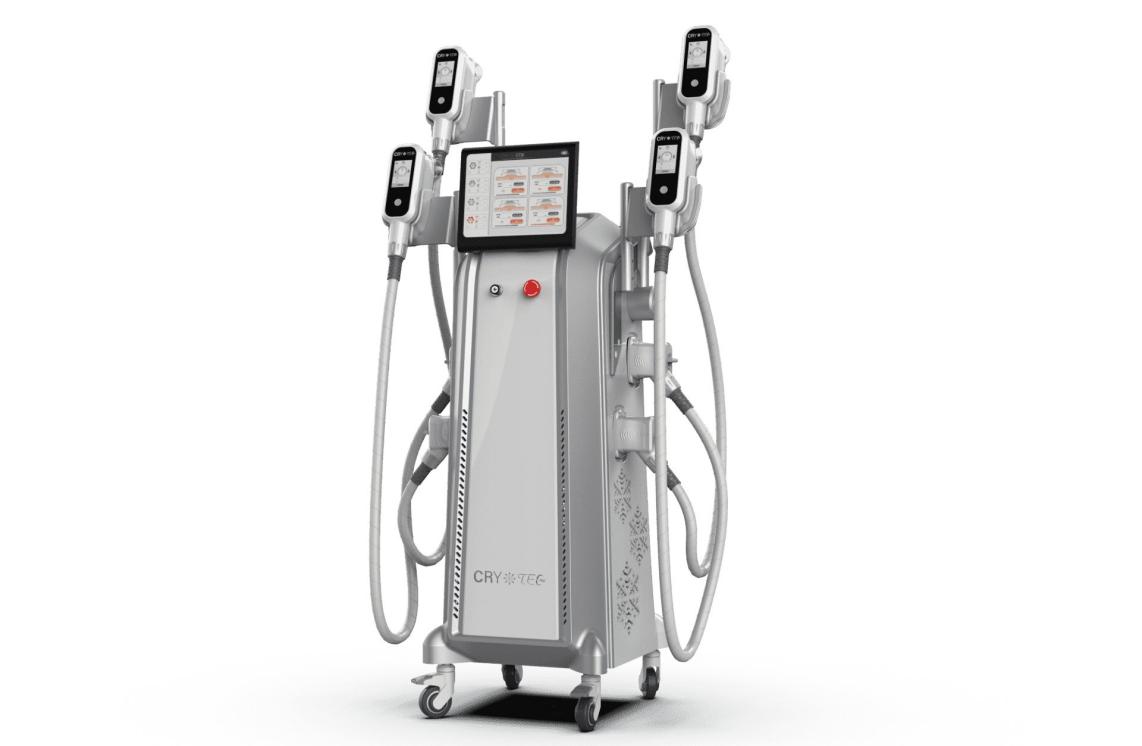
Ultrasonic cavitation and RF address different proposed targets. A combined consultation may be relevant when an assessment identifies both localised fullness and mild laxity, but each mode needs its own rationale, screening, settings and documentation. The presence of both functions on one console does not prove that every patient needs both.
Clinics should explain which procedure is intended to address contour and which is intended to support a tightening objective. Treatment order, interval and aftercare should follow the exact model instructions and local professional requirements. Claims about fat change or tissue response must remain qualified and should never guarantee a particular measurement.
What Should Clinics Ask of a HIFU Skin Tightening Machine?
Focused ultrasound devices are designed to deliver energy at selected tissue depths. Buyers should verify available cartridges or treatment depths, energy controls, line or point delivery, treatment-area guidance, consumables, interface safeguards and operator training. Model-specific intended uses matter more than the general HIFU label.
A HIFU skin tightening service also needs consultation criteria, standardised mapping, treatment records and follow-up. Operators should understand anatomical boundaries and the response pathway for unexpected symptoms. Speed and comfort claims may be useful discussion points, but they should not replace evidence, instructions or hands-on demonstration.
How Should Clinics Explain HIFU Outcomes?
What Can HIFU Skin Tightening Before and After Photos Show?
Photos can help document visible change when technique and timing are consistent. Images should use the same lighting, angle, distance, posture and expression, with the follow-up interval stated. Consent for photography and use must be recorded. A single favourable image cannot establish how most patients will respond, and images from another device should not be used as proof for the proposed model.
Clinics should pair photographs with the original concern, treatment record and patient feedback. That context makes the comparison more informative and reduces the risk that posture, lighting or short-term swelling is mistaken for a durable response.
What Do HIFU Skin Tightening Results Depend On?
Visible change may be influenced by baseline laxity, tissue depth, treatment area, delivered settings, operator technique, follow-up timing and individual biological response. This variability makes fixed percentages and guaranteed timelines inappropriate unless robust evidence supports the exact claim and configuration.
Consultations should distinguish the expected assessment window from an immediate visual impression. Clinics can schedule consistent reviews and decide whether any further treatment is appropriate only after considering response, tolerance and the documented protocol.
Can EMS and RF Support a Tightening Programme?
What Should an EMS Skin Tightening Anti-Aging Beauty Device Claim?
EMS and RF are separate modalities. Electrical stimulation is intended to activate muscle, while RF is an energy-based approach associated with tissue heating. A combined device may deliver both, but the clinic must identify the treatment area and claims supported for the exact model. Evidence for a facial applicator should not be extended to abdominal or other body treatments without documentation.
Patient-facing language should describe the planned mode rather than suggest that any EMS system automatically tightens loose skin after major weight loss. Staff should also avoid using muscle stimulation as a substitute for exercise, medical care or surgical assessment where those are relevant.
How Should RF and EMS Treatment Records Be Separated?
Records should identify the selected mode, applicator, treatment area, settings, screening, observations and follow-up. If RF and EMS are delivered together, both components still require clear documentation. Separate fields help clinicians understand which settings were used and communicate accurately during later reviews.
Training should cover contraindications, contact requirements, cleaning, warning messages and emergency procedures for each mode. Combined operation increases the need for clarity; it does not reduce it.
How Can Nubway Support a Professional Tightening Service?
Which Platform Matches the Clinic’s Laxity Assessment?
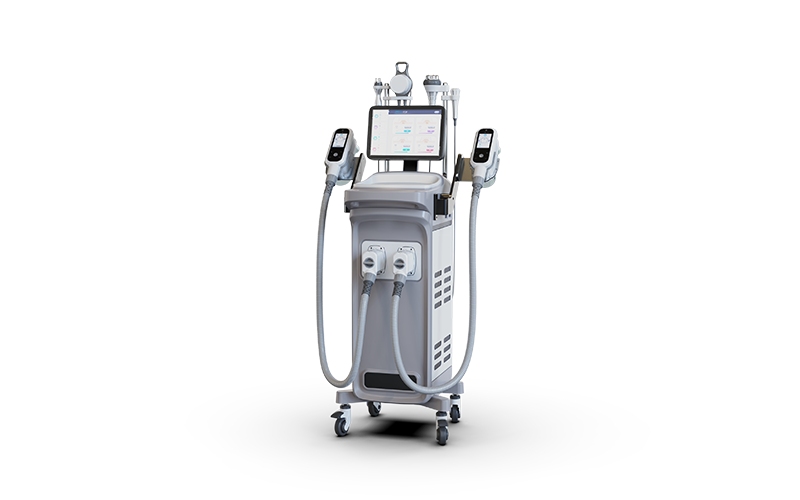
At Nubway, we offer an MPT HIFU platform intended for focused-ultrasound treatment planning. A separate system combines ultrasonic cavitation, RF and vacuum, while an EMS RF Face Lift Machine is designed around facial muscle stimulation and RF. These are different product categories and should be matched to the assessed concern rather than presented as interchangeable solutions.
A demonstration should cover available treatment depths or applicators, controls, mapping, consumables, cleaning and documentation. At Nubway, we should confirm the intended areas and the exact model configuration in writing. Buyers should request the instructions and destination-market documents applicable to that model instead of relying on portfolio-level certification statements.
What Training and After-Sales Support Should Be Confirmed?
At Nubway, we provide remote one-to-one training, technical communication, maintenance advice and after-sales support. Before installation, a clinic should identify trainees, competency records, routine checks, consumables, fault escalation and service contacts. The team should also know which maintenance actions belong to operators and which require technical personnel.
This procurement approach keeps the service clinically coherent. The chosen device supports a defined pathway, while consultation and referral remain central when non-invasive care cannot meet the patient’s needs.
FAQ
Q: Can Non-Invasive Skin Tightening Remove All Loose Skin After Weight Loss?
A: No. Mild or selected laxity may be suitable for a non-invasive discussion, but substantial excess skin may not respond sufficiently. Assessment and, where appropriate, surgical referral are essential to setting honest expectations.
Q: How Should Clinics Discuss Focused-Ultrasound Results?
A: Use qualified language, standardised follow-up and the exact treatment record. Explain that response depends on baseline tissue, treatment settings, technique and individual biology rather than promising a fixed percentage or timeline.
Q: What Should HIFU Skin Tightening Before-and-After Evidence Include?
A: It should include consistent photography, stated timepoints, consent, the treated area and relevant protocol context. Images should represent the same device or clearly disclose when they do not.