
Picosecond Laser vs. Q-Switched Laser: Which Is Better for Tattoos and Pigmentation?
What Are the Key Differences Between Picosecond and Q-Switched Lasers?
How Each Laser Technology Works
A picosecond stands for the brief time light energy reaches the skin. These short pulses create a photomechanical effect, or pressure wave, inside the skin. The wave hits pigment spots such as tattoo ink, dark patches, or scars. It breaks those particles into tiny bits. The body’s immune system then clears the fragments away. Q-Switched lasers send energy in nanoseconds. They use heat to break pigment particles apart. Because of this, picosecond laser treatment works with greater accuracy and leaves nearby skin less affected.
Comparing Wavelengths and Pulse Durations
Picosecond lasers come with several wavelengths. Each wavelength reaches different depths of pigment. The very short pulse limits heat spread. This cuts down on redness and swelling after the session. Q-Switched systems depend more on heat. They can cause brief discomfort yet still reach deeper pigment layers.
How Do These Lasers Perform in Tattoo Removal?
Effectiveness on Different Tattoo Colors
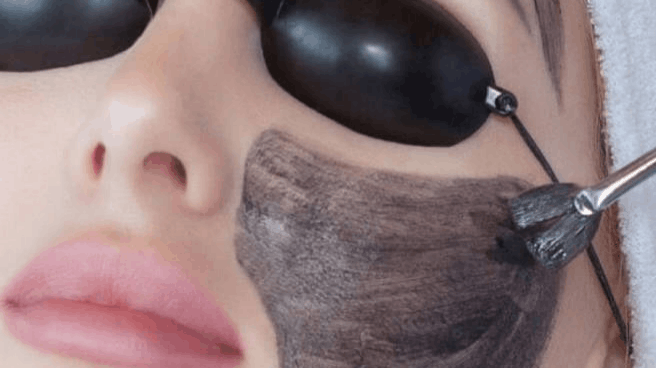
Picosecond laser treatment started with tattoo removal. It cleared dark inks more effectively than older lasers. Later, the same method was adjusted for other skin concerns. Some people feel the session is much like getting a tattoo, yet it finishes sooner. Right after treatment, the skin may show a brief white or frosted look. This fades on its own. Picosecond technology gives good results on colored inks and supports fast skin recovery. One review found that 69-100 percent of tattoos cleared more than 70 percent of their color after one to ten sessions. The same precision helps with stubborn shades such as blue and green. Q-Switched lasers handle black and dark brown inks well but may need extra visits for full removal.
Does a Picosecond Laser Remove Tattoos Faster?
The short pulse of fractional picosecond laser devices breaks ink into smaller pieces than older machines. Many patients see faster fading and shorter healing times because heat damage stays low. Compared with traditional cosmetic lasers, picosecond laser faster recovery, and traditional cosmetic lasers stand out as a clear benefit. Less heat means the surface layer repairs itself more quickly.
Can These Lasers Treat Pigmentation Issues Effectively?
Treating Melasma, Freckles, and Sun Spots
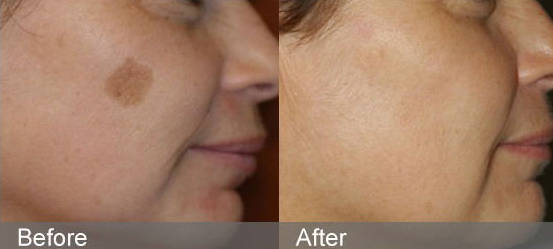
Picosecond laser treatment targets melanin clusters in the skin. Sunlight or hormone shifts can trigger extra melanin. When skin meets UV rays, melanocytes move pigment to the surface to form protective caps. The laser breaks these caps into very fine particles. Smaller bits leave the skin faster, so improvement often shows after a few visits. Both Q-Switched and picosecond tools address freckles and sun spots. Yet picosecond laser results show fewer cases of post-treatment darkening, so they suit sensitive skin better.
Which Laser Is Safer for Different Skin Types?
Picosecond systems lower the risk for darker skin tones. Reduced heat spread means fewer chances of burns or scars. Q-Switched devices still work well but need careful settings for each skin type on the Fitzpatrick scale. A dermatologist visit helps set safe levels before any session begins.
Why Are Many Clinics Transitioning Toward Picosecond Lasers?
What Makes the Picosecond Laser a Preferred Choice?
Clinics choose this approach for its accuracy. Fewer side effects and better results appear across tattoo and pigment cases. Shorter downtime adds convenience. This helps balance picosecond laser cost against the number of visits needed. Newer models also include cooling features that improve comfort during each session.
Nubway’s Contribution to Advanced Laser Technology
Introducing Nubway’s Picosecond Laser Solutions
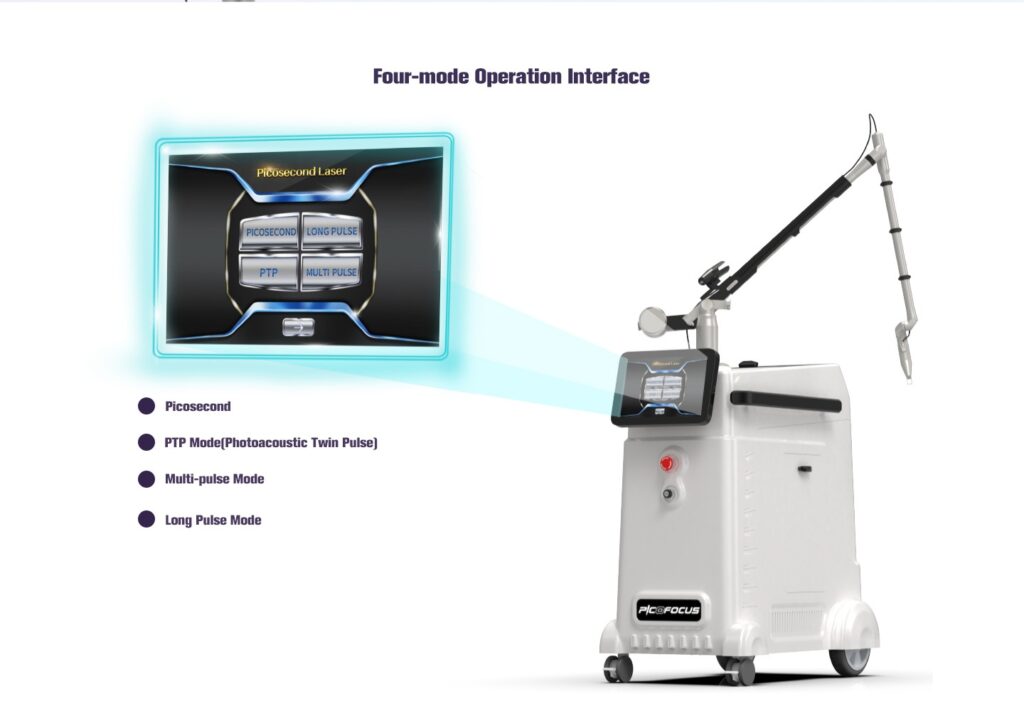
Nubway is a professional manufacturer of OEM and ODM in the beauty equipment field. We design professional-grade fractional picosecond laser systems for tattoo removal and pigment correction. The devices deliver steady energy and offer multiple wavelengths. These options fit many clinical needs while keeping the controls simple for new and experienced users alike.
We keep improving our product lines under strict quality rules. Each picosecond laser device gives steady performance no matter the patient group or condition level.
Why Professionals Choose Nubway Equipment
Our design focuses on long life and low upkeep. This supports steady use in busy clinics around the world. Our sales service team has more than 20 friendly members who are on hand to offer assistance 24/7. We also supply full training and ongoing technical help. Clinicians gain confidence from setup through after-sales care.
Professionals trust our technology because every Nubway product meets global safety standards and uses energy efficiently. This sets our picosecond laser for sale options apart from others available today.
FAQ
Q: Which is better for dark skin tones: picosecond laser or Q-Switched laser?
A: Picosecond lasers are generally safer due to their reduced heat generation, minimizing risks of hyperpigmentation or scarring on darker complexions.
Q: How long should I wait between picosecond laser or Q-Switched laser sessions?
A: A typical interval is 6–8 weeks between treatments to allow natural clearance processes before subsequent visits.
Q: Are picosecond laser treatment results permanent after completing treatment?
A: Yes, once pigment or ink fragments are processed through immune pathways, outcomes remain lasting, though future UV exposure could trigger new pigmentation issues later on.
Q: What affects overall picosecond laser cost?
A: Pricing depends upon treated area size, number of sessions required, clinic location, and whether advanced cooling systems are included within chosen models, enhancing comfort during procedures.
Q: How soon will I notice visible improvement from a picosecond laser session?
A: Most users observe progressive fading after several appointments since smaller pigment fragments clear faster; visible enhancement usually appears within three sessions according to clinical feedback regarding typical picosecond laser results patterns.