
Picosecond Laser Tattoo Removal: How Many Sessions Do You Need?
What Is Picosecond Laser Tattoo Removal?
Picosecond laser tattoo removal stands out as one of the top advanced methods for clearing unwanted ink. It sends out very quick pulses of energy. These pulses break tattoo pigments into tiny particles. The body then clears those particles on its own. This method fits into the latest trends for tattoo removal in 2026. It delivers faster results and fewer side effects than older systems.
How Does a Picosecond Laser Work on Tattoo Pigments?
Pico laser technology uses light pulses compared to traditional laser treatments that tend to use heat. These ultra-short bursts create photomechanical pressure waves that shatter pigment clusters into tiny fragments. These pressure waves target areas in the skin (e.g., tattoo pigments or hyperpigmentations and scarring), which ‘squeezes’ those cells and causes them to shatter into fine particles. These particles are then eliminated by the body’s own immune system.
Picosecond lasers and nanosecond lasers differ when used for tattoo removal. The key points involve precision and safety. Picosecond lasers release energy in trillionths of a second. Nanosecond lasers work in billionths of a second instead. This longer burst often creates extra heat. It can also raise the risk of tissue harm in older models. The brief pulse from picosecond lasers cuts down on heat injury. It also supports better ink clearance over time.
Why Is Picosecond Laser Considered an Advanced Tattoo Removal Method?
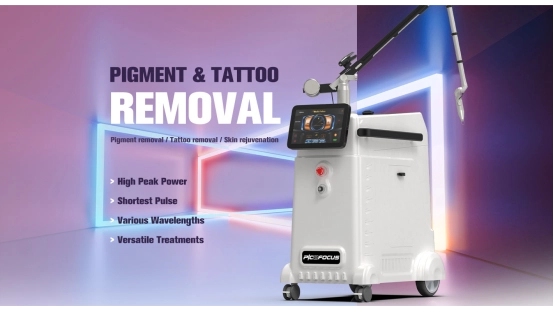
Picosecond laser tattoo removal stands out as a top choice among tattoo removal methods. It works well even on stubborn ink shades such as green, blue, and yellow. This technology shows a positive impact on the skin’s outer layer. It also allows for fast recovery when dealing with colored tattoo pigments.
Studies that reviewed picosecond lasers for removing tattoos found clearance rates between 69 and 100 percent. Over 70 percent of the pigment was cleared in most cases. This happened after one to ten sessions with people. The benefits include less recovery time. There are also fewer unwanted effects. The method works on many different skin types. This covers the safe use of these lasers on darker skin tones. All these points make it a great option for people getting treated and for clinics offering the service.
How Many Sessions Are Needed for Picosecond Laser Tattoo Removal?
The number of sessions required for complete clearance depends on several variables, such as pigment density, color composition, and individual healing response.
What Factors Influence the Number of Sessions Required?
Tattoo features like ink color, density, and depth matter a lot when it comes to treatment length. The ink type plays a role here. So does the colour, the tattoo size, and its spot on the body. These factors change the total number of laser sessions needed. Older tattoos often fade more quickly. This happens because the pigment breaks down on its own over the years. Skin type and immune system activity also shape the speed. They decide how fast the broken pigment bits get cleared out. Good aftercare after each visit shapes how strong the results turn out to be.
Typical Session Ranges for Different Tattoo Types
Small or Light Tattoos
Smaller tattoos or those with lighter pigments may need only 2–4 sessions spaced several weeks apart. Typically, for smaller tattoos, 3-5 treatment sessions may be enough.
Medium or Multi-colored Tattoos
Medium-sized or multi-colored designs usually require 5–8 sessions, depending on pigment complexity. Inks containing multiple hues often respond differently under laser exposure.
Large or Dense Tattoos
For large or heavily saturated tattoos, it can take between 8–12 sessions or more to achieve optimal clearance levels similar to professional clearit tattoo removal outcomes.
What to Expect During and After Each Session
What Happens During a Picosecond Laser Treatment?
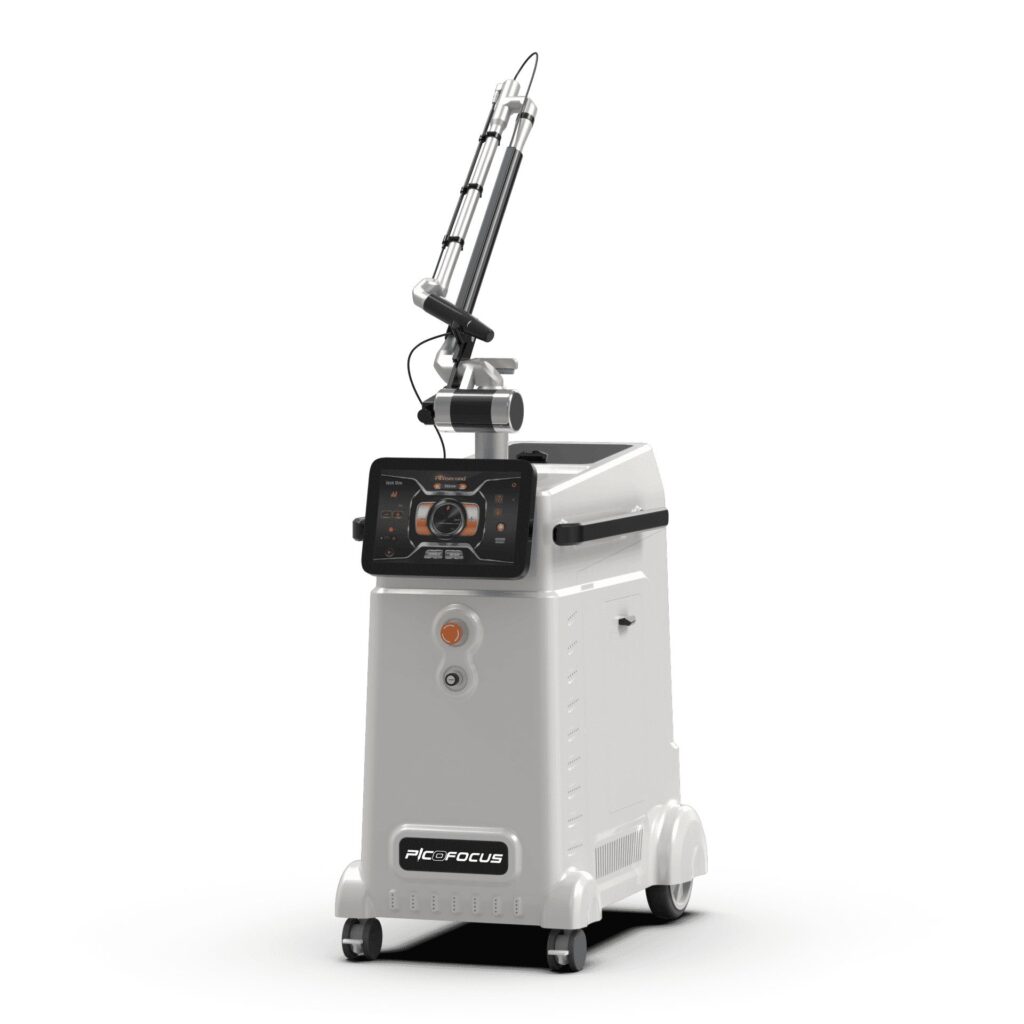
Before the treatment starts, your practitioner cleans the skin area with care. They also supply protective eyewear for safety. The picosecond laser machine then releases quick bursts. These bursts focus on the pigment. They avoid any damage to nearby tissues. A cooling device can be used during the full procedure. It helps reduce discomfort.
For some patients, the sensation during laser tattoo removal feels much like the original tattoo session itself. Yet the whole process wraps up sooner. Right after the session, a brief whitening or frosting may show on the skin. This change usually fades fast once treatment ends.
Post-Treatment Care and Healing Process
After each session, mild redness or swelling may appear. This forms part of the usual healing. Use soothing ointments to ease irritation. They also aid recovery. Avoid direct sunlight. UV exposure can slow healing or lead to hyperpigmentation. Follow your technician’s aftercare advice. This helps secure the best results between visits.
Benefits of Choosing Picosecond Laser for Tattoo Removal
Key Advantages Over Traditional Methods
Modern picosecond lasers bring a key edge in how well they perform. They clear tattoos faster and often need fewer visits than older Q-switched systems. The energy reaches the skin with great accuracy because the pulses stay short. This leads to little chance of scars or extra heat in nearby areas. As a result, these lasers count as one of the top tattoo removal technology choices today.
Moreover, picosecond laser equipment effectively breaks down stubborn ink shades like blue and green that were previously difficult to remove with conventional devices.
Who Can Benefit from This Treatment?
Anyone seeking comprehensive tattoo elimination with minimal discomfort can benefit from this picosecond laser tattoo removal method. It’s also suitable for individuals whose previous treatments didn’t fully fade their tattoos when using older nanosecond-based systems.
Nubway Expertise in Picosecond Laser Technology
About Nubway’s Advanced Devices for Tattoo Removal
At Nubway, we specialize in developing high-performance aesthetic systems designed for professional use worldwide. Nubway is a professional manufacturer of OEM and ODM in the beauty equipment field. Our range includes advanced solutions such as diode hair removal machines, cryolipolysis slimming devices, HIFU units, RF microneedling systems, and our flagship picosecond laser machine engineered specifically for precise pigment targeting.
Our sales service team has more than 20 friendly members who are on hand to offer assistance 24/7. We integrate stable energy output with precision optics, ensuring consistent performance across different skin tones and tattoo types.
Why Clinics Choose Nubway Equipment for Tattoo Removal Services
Clinics pick our picosecond laser equipment. It gives steady results. It also has simple controls. These controls make procedures easier to handle. Professionals often think about key points before they buy a tattoo removal machine for their clinic. Nubway focuses on reliability. We also stress safety features. Adjustable wavelength options matter too. So does ergonomic design. After-sales support plays a big role as well.
Our steady innovation helps us stay in step with new ideas around the world. This way, practitioners gain access to the latest tools. They find them at fair prices for picosecond lasers. At the same time, we keep treatment quality high throughout.
FAQ
Q: Does Picosecond Laser Completely Remove All Tattoo Colors?
A: Yes. It handles most ink colors quite well. This covers tough tones like green and blue. But some leftover pigment could stay. The amount depends on how old the tattoo is or how deep the ink sits.
Q: How Long Should I Wait Between Picosecond Laser Tattoo Removal Sessions?
Usually, give yourself 6 to 8 weeks between appointments. This helps your body process the fragmented ink well. It also makes sure your skin has time to recover properly.
Q: Is Picosecond Laser Safe for All Skin Types?
A: Yes. Picosecond lasers show strong safety for dark skin. Flexible settings make this possible. These settings let skilled experts adjust parameters for each client. They handle the changes before every session. The approach supports safe results across many skin tones.