
How Does Fractional Picosecond Laser Address Acne Scars and Wrinkles?
The Mechanism of Fractional Picosecond Laser for Acne Scars
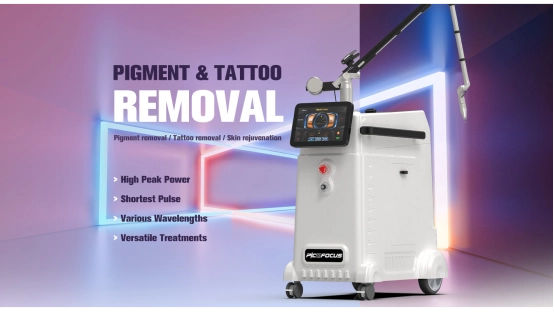
As discussed in recent picosecond laser news, fractional picosecond technology has become one of the most innovative approaches in modern aesthetic dermatology. It combines ultra-short pulse durations with fractional delivery to treat acne scars, wrinkles, and uneven skin texture with minimal downtime.
Fractional laser technology has changed skin rejuvenation. It targets damaged tissue precisely. At the same time, it leaves nearby areas untouched. Unlike ablative lasers that cover the entire zone, fractional lasers focus on just a portion at once. They create tiny wounds. These wounds are surrounded by healthy tissue. This setup allows quick healing and little downtime. The fractional method speeds up recovery. It also boosts the body’s natural repair processes.
The fractional picosecond laser improves this idea with its extremely quick pulse rate. Pico stands for ‘one trillionth’. Picture turning a light switch on and off one trillion times in a single second! That’s the essence of a picosecond. It refers to the light energy that penetrates the skin in that brief moment. These speedy pulses produce a photomechanical effect. They avoid thermal harm. Instead, they generate pressure waves. These waves reshape scarred tissue. The strong yet short energy bursts start collagen remodeling. They do this without heating the skin too much. This makes it perfect for treating acne scars.
In real-world use, acne scars can be quite annoying. This is especially true for atrophic types that appear as pits or dips in the skin. The picosecond laser functions similarly for fine lines and wrinkles as it does for scars. It sparks the body’s natural healing response. This encourages collagen creation. In turn, that helps fix and reshape the skin. After a few sessions, this boost raises collagen density in the dermis. It also improves elasticity. As a result, the skin’s texture gets better. Scar depth decreases noticeably.
The Impact of Fractional Picosecond Laser on Wrinkles
Reducing wrinkles with fractional picosecond laser depends on careful control of pulse length and energy spread. Practitioners can adjust these factors. Then, they target fine lines at exact depths in the dermis. They do so without harming nearby tissues. The great accuracy suits treatment of sensitive spots on the face. These include areas around the eyes or mouth. Traditional lasers might irritate those places too much.
Pulse rate is key in handling wrinkles. Quick pulses create small injury areas. These activate fibroblast activity. That leads to fresh collagen production. This process firms up the skin’s structure. It gradually evens out fine lines. Patients stay comfortable during treatment. There’s minimal heat buildup for that reason.
Comparing Fractional Picosecond Laser to Other Laser Technologies
Fractional Picosecond vs. Nanosecond Lasers
Nanosecond lasers used to be the go-to for fixing pigment issues and removing tattoos. Yet, their longer pulses depend more on photothermal effects. Picosecond lasers send energy in far shorter bursts. These are counted in trillionths of a second. This leads to better photomechanical breakdown. Pico laser technology employs light pulses. Traditional treatments often use heat instead. This difference makes picosecond systems safer. They handle both color and texture problems. There’s less chance of post-inflammatory hyperpigmentation.
The benefits of fractional picosecond technology stand out. It offers better accuracy, less pain, and quicker recovery than nanosecond tools. Since it uses mechanical effects over thermal ones, it cuts down on side damage. Still, it promotes deep skin remodeling.
Why Pulse Speed is Crucial in Fractional Picosecond Lasers
Pulse speed affects both effectiveness and how patients feel. Very fast pulses make controlled small damages. These start collagen regrowth without long swelling or surface harm. This leads to higher satisfaction for patients. Downtime is shorter as a result.
Moreover, quicker pulse rates limit heat buildup in procedures. This lowers risks like redness or puffiness. Patients usually notice only slight redness. It lasts just hours, not days, after sessions. This perk appeals to people with packed days. They want easy rejuvenation options with low interruption.
-4.webp "How Fractional Picosecond Laser Works on Acne Scars and Wrinkles-1")
Key Settings for Optimal Results with Fractional Picosecond Laser
Adjusting Energy Levels for Acne Scar Treatment
Getting the best results means balancing power output wisely. Safety stays important while ensuring enough skin stimulation. Deeper scars might need higher energy. But calibration must be precise to prevent overdoing it or color shifts. Practitioners start with mild settings. They then raise them slowly based on how the patient responds and what they see.
Customization matters a lot. Scar shapes differ widely among people. By adjusting energy based on scar depth and amount, doctors can even out the resurfacing. They keep the outer skin layer safe at the same time. For optimal acne scar treatment from Nubway, these adjustments ensure effective results.
Tailoring Spot Size for Wrinkle Smoothing
Choosing spot size influences accuracy and area covered in wrinkle sessions. Tiny spots let you focus on fine lines in tight spots. Examples include crow’s feet or lines around the mouth. Bigger spots cover more ground for overall face refresh. Changing spot size also affects how deep the energy goes. Smaller beams push energy further into the dermis. This boosts tightening.
This adaptability helps doctors fit each treatment to the body’s layout and goals. It ensures steady smoothing over different face shapes.
Skin Renewal and Anti-Aging Benefits of Fractional Picosecond Laser
Enhancing Skin Texture Through Collagen Stimulation
The biggest plus of fractional picosecond laser is its power to spark collagen reshaping. It does this with little upset to the outer skin. The pico laser delivers fast energy in picoseconds. This breaks up pigments and encourages collagen growth. New collagen strands form over time. They take the place of broken ones. The outcome is tighter, smoother skin texture.
Studies on skin samples back up these changes. They show thicker dermis after sessions. Elasticity improves too. Pores look smaller and finer. Such rebuilding not only boosts looks. It also builds long-term strength in the skin. This guards against aging causes like sun rays or stress from oxidation. The fractional picosecond laser from Nubway excels in this collagen stimulation for better texture.
Anti-Aging Effects Beyond Wrinkle Reduction
Besides easing wrinkles, fractional picosecond laser tackles various aging signs at once. These include uneven color, lack of glow, big pores, and spotty pigments. Broken pigments get cleared out naturally by the body. This brings clearer skin. Aging signs fade, and texture improves. It’s a strong non-ablative choice for those wanting full face glow-up. No harsh resurfacing needed.
By evening out melanin spread with collagen boost, it creates a brighter, more even skin tone. This helps keep a young look for longer after treatments end.
Common Concerns About Fractional Picosecond Laser Treatments
Safety Considerations for Different Skin Types
Safety for various skin shades is crucial with powerful tools like fractional picosecond lasers. These devices work mainly through photomechanical means, not heat. So, they have better safety even for darker skin types. Those are more likely to get hyperpigmentation from older tech like CO₂ or Er:YAG lasers.
Before-treatment checks help pick the right settings. This cuts down bad reactions like short-term redness or tenderness. It’s extra key for skins weakened by old acne spots or long sun exposure. The picosecond laser from Nubway offers reliable safety across skin types.
Managing Patient Expectations: Pain, Recovery, and Results
How patients feel is a big factor in planning treatments. It affects overall happiness. Studies show picosecond laser pain rates low, around 2.83 out of 10. Most people say it feels like a light snap with brief warmth. Not the burning from heat-based methods.
Recovery often means short redness that fades in 24–48 hours. Then, skin texture improves bit by bit. This happens as collagen work continues inside. Changes show up weeks later. Benefits last up to three months after the last session. This gives lasting refresh with little daily hassle. For wrinkle reduction from Nubway, expectations align well with these outcomes.
Frequently Asked Questions (FAQs)
Q: What makes fractional picosecond laser effective for acne scars?
A: The fractional picosecond laser targets damaged skin precisely with ultra-fast pulses. This creates photomechanical effects that remodel collagen without much heat. It stimulates natural healing, reducing scar depth and improving texture over sessions. Products from Nubway ensure safe, efficient acne scar treatment.
Q: How does fractional picosecond laser differ from other lasers for wrinkles?
A: Unlike nanosecond lasers that use more heat, fractional picosecond laser relies on quick pressure waves for minimal downtime. It boosts collagen production deeply, smoothing fine lines with less risk of irritation. This makes it ideal for delicate areas, offering better recovery and results.
Q: Is fractional picosecond laser safe for all skin types in anti-aging treatments?
A: Yes, its photomechanical action reduces hyperpigmentation risks compared to thermal lasers. It’s suitable for various tones when settings are adjusted properly. Patients see enhanced texture, even tone, and wrinkle reduction with low pain and quick recovery from Nubway devices.