
HIFU Before and After by Age: What Results Can You Expect in Your 30s, 40s and 50s?
A HIFU before and after comparison can show changes in facial contour, skin laxity or wrinkle appearance, but age alone cannot predict the result. People in the same decade may have different anatomy, skin quality, body characteristics and goals. Published evidence is strongest for selected patients with mild to moderate laxity, and later follow-up is more informative than an immediate photograph. The useful question is whether the baseline condition, treatment plan and photographic evidence support realistic HIFU results.

What Do HIFU Before and After Photos Actually Show?
Before-and-after photographs are useful when the treatment area, camera position, lighting, expression and follow-up interval remain consistent. Otherwise, a sharper jawline may reflect a different pose.
Which Changes Can a Before-and-After Image Document?
HIFU results on face photographs may document mild lifting, firmer contours or reduced laxity. A HIFU lower face before and after comparison can focus on the jawline and submental area. A HIFU facial before and after set may include other areas only when treatment records support the comparison.
Photographs should match the documented area. A HIFU treatment before and after claim becomes unreliable with untreated areas, different expressions or digital alteration. Images show visible change without proving the cause or duration.
Why Is One Photograph Not Proof of a Guaranteed Result?
A single image pair cannot show the range of responses. Research separates investigator assessment from patient satisfaction because the measures can disagree. A measurable change may still feel too subtle to the client.
Present HIFU results as examples with treatment dates, follow-up dates and relevant baseline factors. A photograph should never become a promised outcome for another patient.
How Can HIFU Results Differ in Your 30s, 40s and 50s?
The evidence does not provide a validated result table by decade. Age bands can organise a consultation, but laxity, tissue volume, health, previous procedures and goals remain the real decision factors.
What Can Someone in the 30s Realistically Expect?
People in their 30s may ask about early lower-face softness or a small change in definition. Mild laxity may support a subtle goal, but youth does not justify a promise of dramatic transformation. Baseline photographs and a clear treatment area show whether the change is meaningful.
How Can HIFU Results Change in the 40s?
Clients in the 40s may present with varied laxity, contour and volume patterns. A consultation should distinguish tissue that may respond to tightening from concerns driven mainly by volume or anatomy. The HIFU lower face before and after plan should use consistent jawline and submental views.
What Matters Most for People in the 50s?
In the 50s, mild to moderate laxity may fit a non-invasive tightening discussion, but pronounced laxity can limit visible change. Reviews note weaker outcomes with excessive baseline laxity and identify body characteristics as another factor. A provider should explain when improvement may be modest or when another clinical opinion is more suitable.
When Do HIFU Results Appear and How Should Aftercare Be Judged?
HIFU initiates a tissue response rather than one identical result at one time. Record early observations, later remodelling and satisfaction separately.
What Can HIFU Results After 1 Week Show?
HIFU results after 1 week provide an early recovery view, not a universal final endpoint. Temporary redness or swelling can affect appearance, while collagen-related changes need longer evaluation. Many clinical assessments use a later follow-up, including around 90 days.
What Should HIFU Before and After 1 Treatment Be Judged By?
A HIFU before and after 1 treatment comparison should use consistent photography and record the area, settings, date and review interval. Before-and-after HIFU does not mean every patient needs one session. Compare photographs with the client’s assessment without treating either measure as a guarantee.
Which HIFU Aftercare Points Protect the Interpretation?
HIFU aftercare should follow the treating clinic’s protocol. Transient erythema, oedema and tenderness have been reported, while uncommon serious reactions are possible. Clients should report worsening symptoms. Recording reactions prevents an early image from being labelled a final result or failure.
How Should Clinics Compare HIFU Before and After Evidence?
For a clinic or distributor, before-and-after content is a quality issue. A useful record connects the patient, operator, HIFU device, settings and follow-up.
How Should Clinics Standardise HIFU Facial Before and After Photos?
Use the same camera, distance, lighting and background. Repeat the neutral expression and head angle. Capture agreed front, oblique and profile views before treatment and at defined follow-ups. This makes before-and-after HIFU results more comparable and reduces distortion from posture or shadow.
Which Patient and Device Variables Should Be Recorded?
Record baseline laxity, treatment area, relevant health information, previous procedures, operator, handpiece, settings and follow-up date. Body characteristics and laxity can affect results, so age must not be the only factor.
When comparing HIFU machines, buyers should ask about setting records, repeatable protocols, operator training and technical support. These points help a clinic build credible evidence.
How Can Nubway Help Clinics Evaluate a HIFU Treatment Machine?
Nubway positions skin rejuvenation, anti-ageing, skin tightening and wrinkle concerns within our professional equipment portfolio. We align these treatment goals with collagen-focused skin support solutions, while our buyer discussions center on equipment selection, training, and services tailored to the target clinical market.
What Does the Nubway HIFU (MPT) Machine Add to Evaluation?
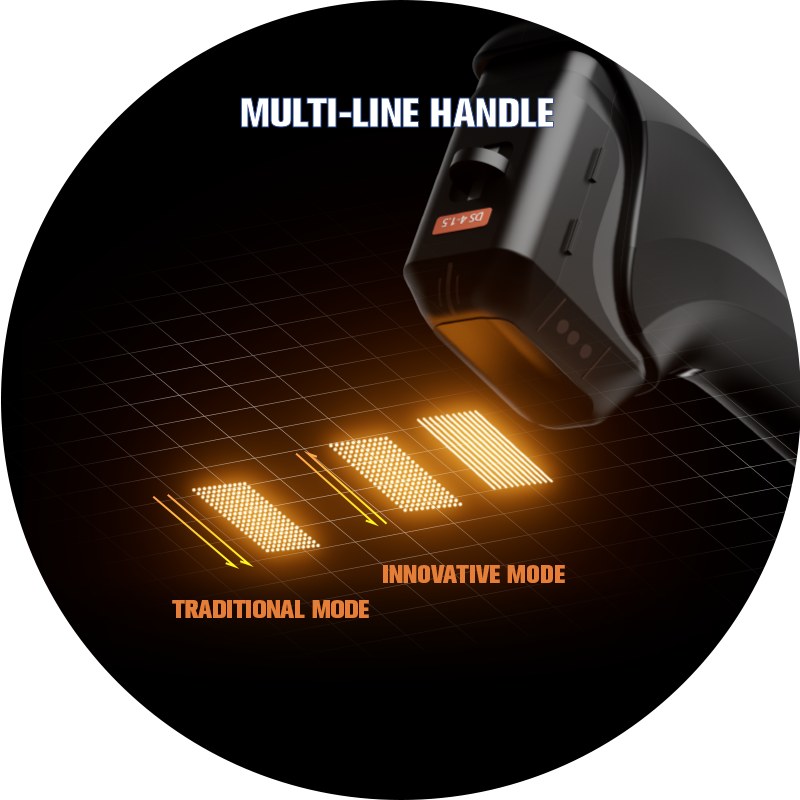
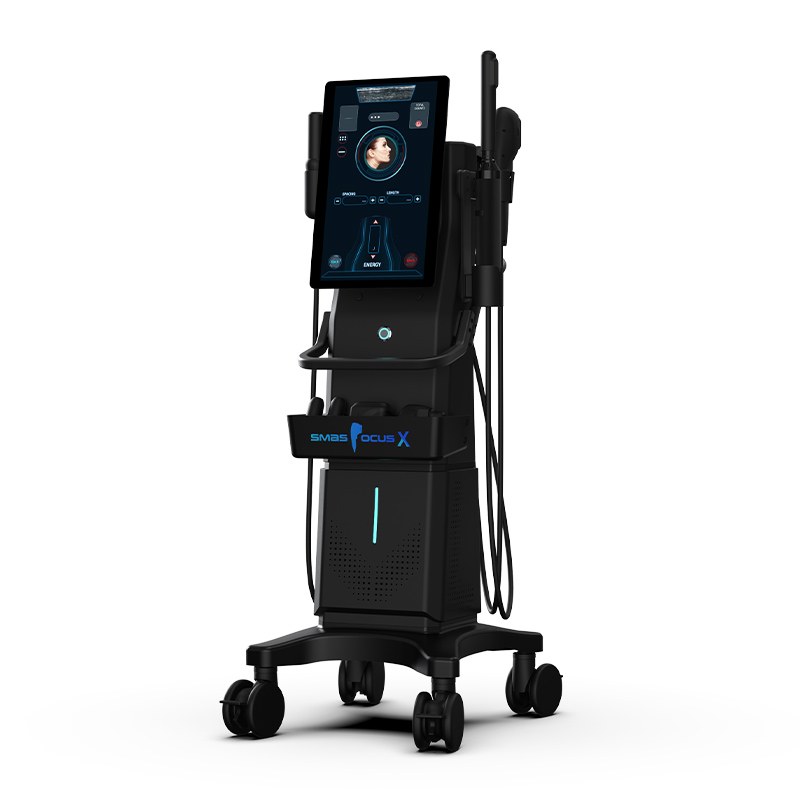
Our HIFU (MPT) Machine is equipped with MPT technology, which features an S-shaped output design that delivers focused ultrasound energy to act on different skin layers. This HIFU machine promotes collagen remodelling, firmer skin contours, and wrinkle smoothing.
A HIFU treatment machine must align with the operator’s training and documentation protocols. A HIFU machine for non-surgical facial lifting cannot replace individual patient assessment.
Our R&D team supports both OEM and ODM requirements, and our company operates an integrated business framework covering R&D, production, sales and training. Buyers can discuss with us the machine configuration, handpieces, settings and intended applications for their planned services.
What Should Professional Buyers Confirm with Our Team?
We one-to-one remote trainingprovide training from professional beauty instructors after your equipment is delivered. Our after-sales engineers will offer technical assistance, and you can discuss further service requirements with us as needed. Buyers should confirm which training options, protocol documents, maintenance support and accessories apply to your specific HIFU device.
FAQ
Q: Does HIFU Work After One Treatment?
A: Selected studies report improvement after a single treatment for some patients, but the amount and timing vary. A HIFU before and after 1 treatment image is an example, not a guaranteed result or a promise that no further plan will be needed.
Q: When Do HIFU Results Usually Look Most Meaningful?
A: HIFU results after 1 week are usually too early to represent a universal final outcome. Later, standardised follow-up is more informative, and many studies assess results around 90 days. The correct review schedule should follow the treatment protocol.
Q: Is HIFU Suitable for Every Face in the 30s, 40s or 50s?
A: No. Suitability depends on laxity, anatomy, health, previous procedures and goals rather than age alone. A professional assessment should determine whether HIFU is appropriate and whether the likely result matches the client’s expectations.