
Diode Laser Hair Removal Insights: What to Expect from Home vs. Clinic Options
What Makes Diode Laser Hair Removal Different at Home and in Clinics?
How Diode Laser Hair Removal Technology Works
Diode laser hair removal represents a prime example of cutting-edge progress in skin care. This advanced method uses a precise wavelength, around 808 nm. It targets melanin in hair follicles on various skin types, both fair and dark. The follicles absorb the laser’s light energy. Then, it turns into heat. This heat damages the follicle effectively. As a result, it hinders future hair growth. This approach beats old methods like waxing or shaving. Those only deal with surface hair. Diode laser treatment goes deeper. It addresses the source of hair growth. Thus, it provides an innovative fix for people tired of repeated traditional removal routines. It works well for all skin and hair types.
Experts adjust the laser wavelength and pulse width carefully. This allows the laser to pass through the skin’s outer layer. Then, it reaches the hair follicle. The light energy gets absorbed there. It converts to thermal energy. This destroys the hair follicle. So, the hair loses its ability to regrow. Yet, it spares the nearby tissue.
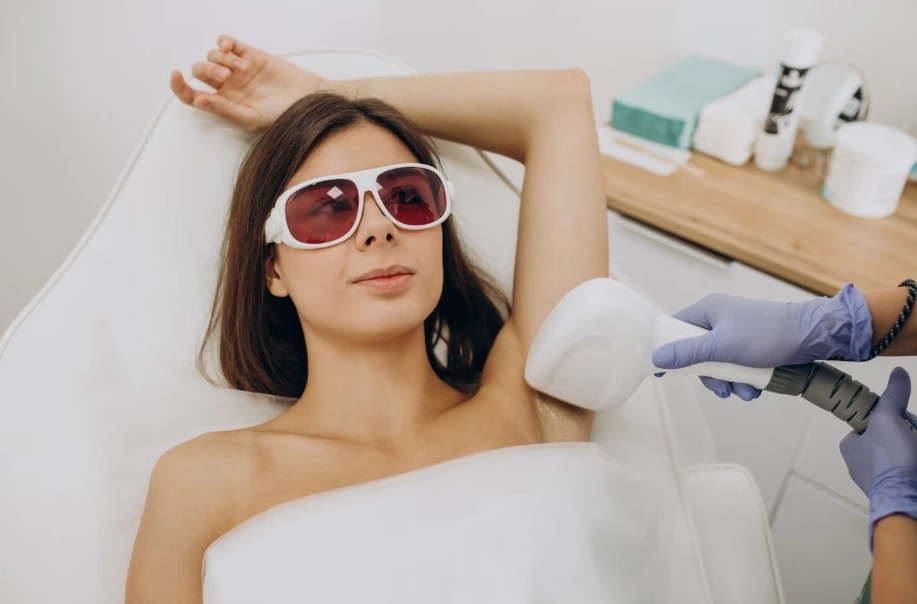
Both home and clinic diode laser hair removal devices follow this basic principle. However, they vary greatly in power output and accuracy.
Comparing Device Power and Safety Features in Diode Laser Hair Removal
Professional diode laser machines from Nubway run at higher energy levels. This enables deeper reach into the skin’s deeper layers for better results. They feature 3000W ultra-strong machine power. It pairs with high-power hand tools for robust energy. Regular machines need 6–8 sessions for hair removal. But this one requires only 3–5 times. It shows how clinic-grade systems yield quicker results with fewer visits.
Home-use diode laser devices have lower intensity. This design ensures safety for everyday users. They include skin tone sensors. These automatically tweak energy output to avoid burns or skin discoloration. Clinics often employ superior cooling systems. The handle’s interior has a special temperature sensor. Software controls it. It depends on the machine’s strong refrigeration setup. So, the handle can drop to a low of -30°C. The skin contact area uses sapphire material. It offers great cold transfer. Therefore, treatments feel comfortable and painless.
Effectiveness of Diode Laser Hair Removal: Home vs. Clinic Results
Treatment Outcomes with Home Diode Laser Hair Removal Devices
Users of at-home diode laser often need more sessions. Each treatment gives less energy per pulse than pro systems. Results depend on elements like skin tone, hair color, and sticking to regular schedules. Maintenance sessions are key to keep skin smooth. Home devices do not always fully destroy follicles in one go.
With time, users notice gradual changes. Regrown hair thins and fades. This mirrors effects from pro studies. After treatment, the client sees less hair growth. It slows down. Hair becomes finer. The color lightens too.
Professional Diode Laser Hair Removal Performance in Clinics
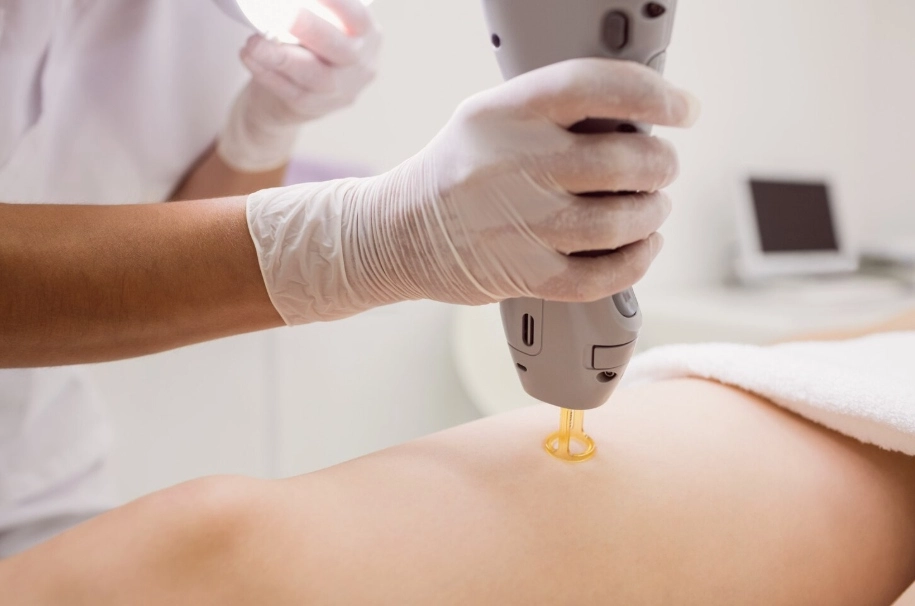
Clinic treatments deliver quicker and more enduring results. They use higher energy under skilled oversight. Nubway diode laser’s light gets absorbed easily by pigmented hair follicles. It avoids harm to the skin’s surface. The follicles suffer permanent damage. This leads to lasting hair removal.
Trained technicians tweak settings for each person’s traits, like melanin levels or skin sensitivity. Pro devices offer deeper penetration at set wavelengths. Examples include 4 wavelengths: 755nm, 808nm, 940nm, 1064nm. They need fewer sessions than home units. Plus, they ensure ongoing reduction over various body parts.
Pain, Comfort, and Convenience in Diode Laser Hair Removal Treatments
Comparing Pain Levels Between Home and Professional Diode Laser Hair Removal
Pain levels differ based on individual tolerance and the area treated. Home diode lasers create gentler feelings. They run at reduced intensities for user ease. In clinics, higher power boosts efficiency. Patients might feel short discomfort. But advanced cooling, like sapphire crystal surfaces, keeps temperatures low. This eases the process.
Convenience Factors of At-Home vs. In-Clinic Diode Laser Hair Removal
At-home diode laser sessions give flexibility. Users set their own times without trips or bookings. Yet, this ease has a downside. Progress is slower due to lower power per session.
Clinics offer organized plans. Trained pros handle them. They track progress with approved tech. This includes ISO13485 system certification, TUV medical CE certification, and US FDA certification. These ensure trust and safety standards. Consumer devices rarely match them.
Cost Analysis: Is At-Home or Professional Diode Laser Hair Removal More Worthwhile?
Long-Term Investment of Home Diode Laser Hair Removal Devices
Buying a home diode device costs less upfront than several clinic trips. But it demands patience for building results. After purchase, upkeep expenses stay low. You might need parts after long use.
It becomes more cost-effective with steady use on multiple spots. Extra treatments add no pro fees.
Financial Considerations of Professional Diode Laser Hair Removal Treatments
Pro sessions charge more per visit. Yet, they bring faster results with fewer total ones. Often just three to five, not the six or more for weaker setups. Clinics provide package deals or payment plans. This makes them reachable despite starting costs.
The true value shows in lasting effects. Hair growth stabilizes after 6 months. It stops at 9 and 12 months. About 90% of patients achieve permanent removal. This proves strong durability that balances the expense over time.
Safety and Skin Care After Diode Laser Hair Removal Sessions
Post-Treatment Care for Home Diode Laser Hair Removal Users
After home sessions, apply cooling gels or aloe creams. They reduce redness or irritation. Stay out of direct sun to prevent dark spots. Gentle scrubbing aids smooth recovery between treatments.
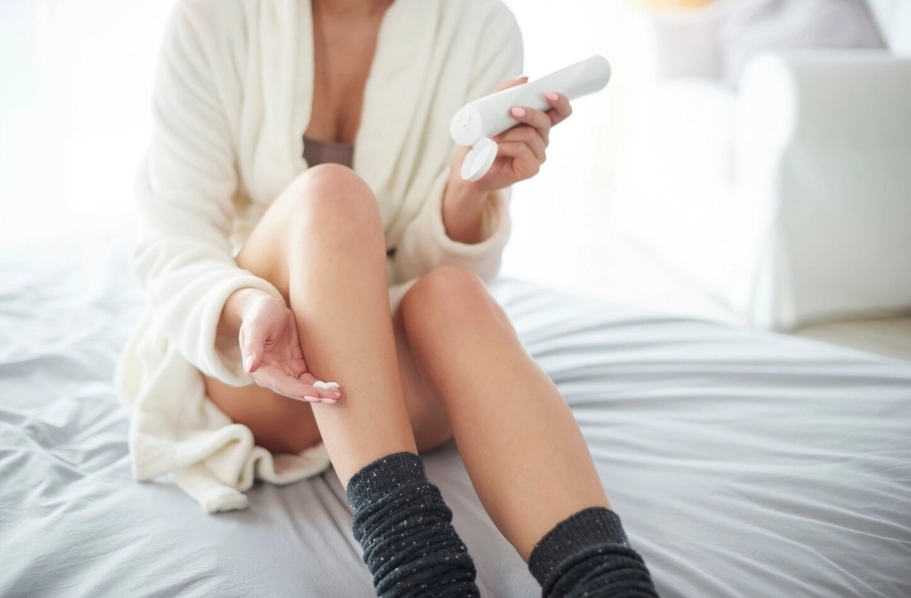
Watch for odd reactions. Wrong settings can cause brief redness, like a light sunburn. Safety studies note mostly mild side effects. These include short-term redness, slight swelling, and a sunburn-like feel.
Professional Aftercare Following Clinical Diode Laser Hair Removal Procedures
Clinics give tailored aftercare tips based on skin reactions. They use high-quality soothing items. These speed healing and preserve smoothness. Follow-up checks confirm safe steps through all phases. Experts guide until best results appear.
FAQ
Q: Is diode laser hair removal safe for all skin tones?
A: Newer systems have flexible wavelengths for different skin shades. Diode lasers work at 808 nm. This wavelength absorbs well into hair follicle melanin. It suits a broad range of skin types and hair colors. Still, see a pro for advice to cut risks like dark spots.
Q: How long do results from diode laser hair removal last?
A: Results vary by person. But clinic data points to enduring cuts in hair. Regrown hair gets thinner, paler, and sparser. Home users might need touch-ups every few months. Pro treatments often give near-permanent effects for years.
Q: Can I switch from home diode laser hair removal to professional sessions later?
A: Yes. Many start at home for ease. Then, they move to clinics for better accuracy. Experts use top medical gear. It’s cleared by bodies like The United States Food and Drug Administration (FDA). The FDA approves diode laser systems for permanent hair reduction.