
Can Washing Your Face with Cold Water Really Shrink Your Pores?
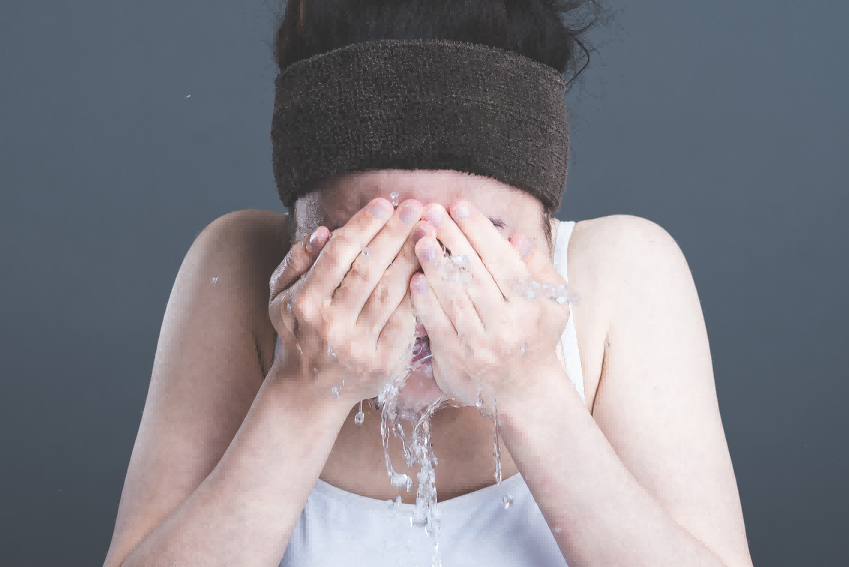
The saying that washing your face with cold water can shrink your pores is widely spread and has almost become the skin care creed of many people. Every morning, countless people pat their faces with cold water, looking forward to seeing the miracle of instant pores tightening. But how much scientific basis is behind this traditional wisdom? How does temperature change affect our skin barrier, vascular response and pore structure? This article will explore dermatology in depth, uncover the truth about the effect of temperature on the skin, and help you establish an evidence-based skin care concept.
1. The Physiological Structure and Functional Mechanism of Pores
1.1 What Exactly are Pores?
Pores are the openings of hair follicles and sebaceous glands on the surface of the skin. The main function is to discharge sebum and sweat. The size of each person’s pores is mainly determined by genetic factors, but it is also affected by age, skin type and environmental factors. The pores themselves do not have a contraction structure like muscles, and its “opening and closing” is more of a visual change than an actual physical contraction.
1.2 Determinants of Pore Size
Genetic factors are the primary determinant of pore size. People with oily skin usually have more obvious pores, because excessive sebum secretion will dilate the pores. Ageing leads to collagen loss and decreased skin elasticity, which will also make pores look bigger. In addition, the accumulation of keratin caused by long-term lack of thorough cleaning and sun damage will aggravate the conspicuousness of pores.
1.3 Can the Pores Really Shrinking?
From the perspective of anatomy, pores do not have the ability to shrink actively. The pore shrinkage we observe is actually a temporary visual effect. When the skin is stimulated or the temperature changes, the surrounding tissue may change slightly, causing the pores to look smaller, but the actual size of the pore opening does not change permanently.
2. The Immediate and Short-term Effect of Temperature on the Skin
2.1 The Physiological Effect of Cold Water on the Skin
When cold water comes into contact with the skin, it will cause vasoconstriction (vasoconstriction reaction) and reduce local blood flow. This reaction is one of the mechanisms by which the body maintains the stability of the core temperature. Vasoconstriction will temporarily make the skin look tighter and paler, and the pores will look less obvious. However, this effect usually can only last for 15-30 minutes. As the skin temperature returns to normal and the blood vessels expand again, the visual effect of the pores will also return to its original state.
2.2 The Physiological Effect of Hot Water on the Skin
Contrary to cold water, hot water will cause vasodilation (vasodilation reaction), increase the blood flow of the skin, and make the skin red and hot. Hot water can dissolve sebum more effectively, which is why the skin often feels cleaner after washing your face with hot water. However, overheated water (more than 40 ℃) will destroy the sebaceous membrane on the surface of the skin, causing excessive evaporation of water, which may cause dryness, sensitivity and even rupture of microvessels.
2.3 Skin Reaction with Alternating Cold and Hot Water
Cold and hot water alternate stimulation (such as the traditional concept of “hot swelling and cold shrinkage”) will cause alternate contraction and expansion of blood vessels. For healthy skin, moderate cold and hot alternation may promote local blood circulation. However, for sensitive or fragile skin, this drastic change may lead to vascular regulation disfunction, aggravate red blood filaments and other problems.
3.The Practical Effect and Limitations of Washing Your Face with Cold Water
3.1 The Mechanism of Temporary Pore Shrinkage
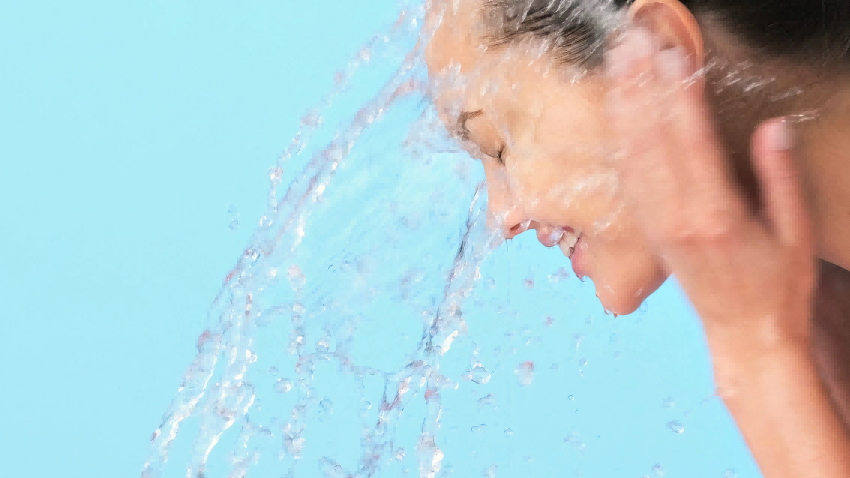
The visual shrinkage of pores caused by the use of cold water mainly comes from two aspects: first, epidermal cells will slightly expand when they are cooled, making pores relatively smaller visually. Secondly, vasoconstriction reduces skin redness and swelling, making pores appear less prominent. But this is only a temporary apparent change and will not truly alter the actual structure or size of the pores.
3.2 Potential Benefits of Washing Your Face with Cold Water
Washing your face with cold water does have some benefits. it can help reduce morning swelling and make you feel refreshed. For oily skin, cold water can prevent excessive stimulation of sebaceous glands. Meanwhile, cold water helps maintain the relative integrity of the skin’s natural moisturizing factors and sebum membrane, reducing the risk of dryness.
3.3 Limitations and Uncomfortable People of Washing Your Face with Cold Water
Cold water cannot effectively remove oil-soluble dirt and sunscreen products, and the cleaning effect is limited. For dry skin, cold water may harden the sebum and make it more difficult to clean. Sensitive skin contact with cold water may induce discomfort or aggravate sensitive symptoms. More importantly, relying on cold water to shrink pores may make people ignore the really effective pore care method.
4. Pore Management Strategy from a Scientific Perspective
4.1 Effective Cleaning: Balance Between Temperature and Product
The best washing water temperature should be between 32-34℃, close to the surface temperature of the skin, which can not only clean effectively but also not overly irritate. Choosing a cleansing product suitable for skin type is more important than water temperature. For oily skin, warm water with gentle cleansing products can remove excess oil more effectively. Dry skin is more suitable for cool water or warm water with moisturising cleansing products.
4.2 How to Improve The Appearance of Pores in the Long Term
To really improve the appearance of pores, a comprehensive strategy is needed: regular exhaling helps to remove dead skin cells that block pores. Use skin care products containing retinol, niacinamide, salicylic acid and other ingredients to promote cell renewal. Strict sun protection prevents collagen loss. Maintain a healthy diet and adequate water intake. Although these methods cannot “shrink” the pores, they can make them look less obvious.
4.3 Professional Skin Care and Medical Choice
For obvious and troubled pore problems, professional care may be more effective. Chemical skin rejuvenation, microneedle, laser treatment and other medical beauty methods can stimulate collagen regeneration and structurally improve the appearance of pores. However, these methods require professional evaluation and operation, and are not applicable to everyone.
5.Comprehensive Perspective and Scientific Advice on Temperature Skin Care
5.1 Temperature Care Guidelines for Different Skin Types
Oily skin can be cleaned with warm water (no more than 37℃), which helps to dissolve excess oil. Dry skin is more suitable for cool water or slightly warm water to avoid excessive removal of protective sebum. Sensitive skin should avoid extremes, use mild water temperature and shorten the cleaning time. For combination skin, you can consider zoning care, using slightly warm water in the T zone and cool water in the U area.
5.2 Temperature Adjustment in Seasonal Changes
When the temperature is high in summer, you can use a slightly cool water temperature to help cool down the skin. In winter, it is necessary to avoid overheated water to prevent further dehydration of the dry skin. When the temperature difference between indoor and outdoor is large, you should pay attention to the barrier protection of the skin and use moisturising products to strengthen the Defence.
5.3 Establish a Comprehensive Concept of Skin Health
Skin health is much more important than the temporary pore effect. Paying attention to the integrity of the skin barrier, moisture balance and long-term maintenance is more valuable than pursuing instantaneous pore contraction. A good routine, a balanced diet, stress management and correct skin care habits together form the cornerstone of skin health.
FAQ
Q: Should I wash my face with cold water or hot water after exercise?
After exercise, sweat, salt, and metabolic waste remain on the surface of the skin, and pores expand due to increased body temperature. At this time, it is necessary to use warm water at 32-34 ℃ in combination with mild cleansing products to thoroughly clean and avoid dirt blocking the enlarged pores. After cleaning, you can lightly tap your face with cold water to promote blood vessel contraction and alleviate facial redness after exercise.
However, avoid direct stimulation with ice water or overheated water, because the blood circulation of the skin is vigourous after exercise, and drastic changes in temperature may cause abnormal contraction or expansion of capillaries.
Q: Should the best water temperature for washing face in different seasons be adjusted?
It needs to be fine-tuned, but the basic principle remains unchanged. The main change is in the post-washing care.
When it is hot and humid in summer, the skin secretes more oil. You can use cool water (about 30-32 ℃) slightly lower than the body temperature to help calm the skin and reduce the oiliness. When it is dry and cold in winter, it is recommended to use slightly warm water (34-36℃) to avoid cold water stimulation causing further drying of the skin barrier.