
AI Skin Analysis and Smart Beauty Devices: The Future of Personalized Aesthetic Treatments
Personalized aesthetic consultations for pigmentation, skin texture, laxity, hair removal or body contouring often involve more than one device and require consistent decision-making. Although AI skin analysis can sort through photos, patient questionnaires and listed concerns of the patient, it is meant to assist in clinical decision-making and not be the software’s decision on a patient’s treatment.
What Are Personalised Aesthetic Treatments?
From Visual Consultation to Structured Skin Assessment
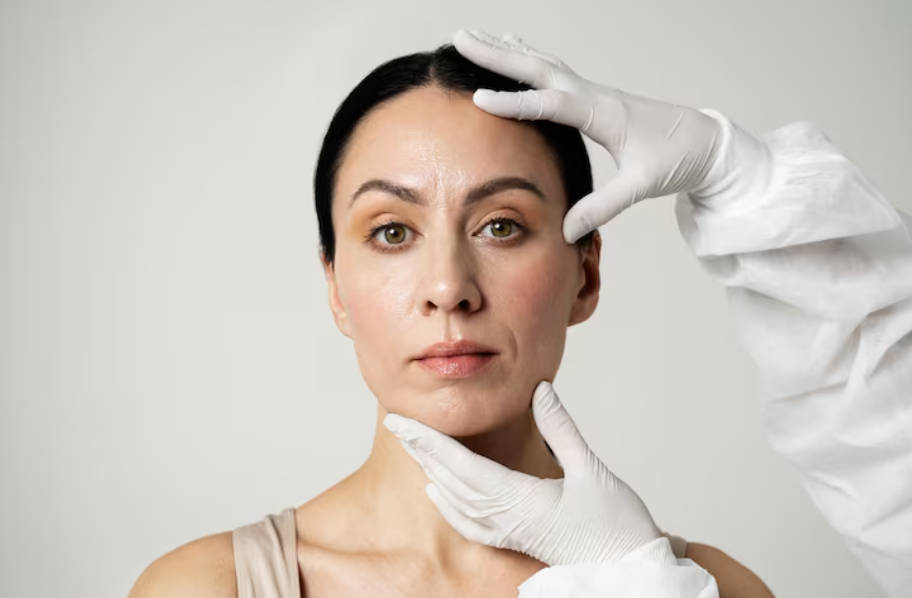
A visual assessment of a patient is largely dependent on the lighting, the practitioners’ memory and the questions that are asked. Adding a structured baseline of consistent photos of the patient, a treatment history, their goals for the consultation, their skin concerns and contraindications allows the team to have a solid starting point for determining the best personal aesthetic treatment plans. The structured baseline also allows practitioners to record the reasons for choosing certain modalities and when a review is required for a patient.
Where Human Clinical Judgement Still Leads
While AI can identify patterns and organize information, a qualified professional is needed to interpret the information in context. Important factors such as a patient’s medical history, current medications, recent procedures, skin sensitivities, expectations and local regulations can affect AI recommendations. The safest role for AI in aesthetic medicine is as a decision support tool to help a team ask the right questions and record their options. Consent, determination of suitable treatment and actual treatment of patients, however, remain the professional’s responsibility.
How Does AI Skin Analysis Support Treatment Planning?
Capture, Categorise and Record the Patient Baseline
A useful AI skin analysis workflow starts with repeatable image capture and clear data handling. The clinic should control lighting and camera distance, record the main concern in the patient’s own words, and add relevant history rather than relying on an image alone. The system’s output can then be stored beside the consultation notes, so later photographs are compared under similar conditions. This supports a review conversation; it does not prove that every concern has been detected.
Turn Analysis into a Consultative Treatment Conversation
Analysis has value to staff when they translate their observations into decisions regarding a patient’s treatment. He or she may need a step-by-step program or a combination of treatments and possibly a preparation period before utilizing a facial treatment machine. The staff can explain the amount of time required for treatment and the necessary maintenance, as well as alternative treatment options and review points. The analysis screen facilitates a more consistent conversation with the practitioner as to whether he or she recommends treatment to the person in front of them.
Matching Smart Beauty Devices to the Concern, Not the Trend
When a Cryolipolysis Treatment Conversation Needs Extra Screening
A cryolipolysis treatment discussion should begin with the area, tissue characteristics, goals, medical history and suitability checks. Staff should explain that cryolipolysis treatment side effects and other risks must be covered through informed consent and local professional procedures. A body-contouring platform that combines cryolipolysis, cavitation and RF may offer several treatment categories, but the presence of several technologies does not remove the need to select the right modality and applicator for the assessed case. Analysis of facial skin cannot substitute for a separate assessment of a body-contouring concern.
Where Diode Laser Treatment Fits a Personalised Plan
Assessing skin for hair removal using a diode laser requires consideration for skin type, hair color and hair diameter, as well as the area to be treated, with or without cooling. The ST808 specification includes lasers operating at 755 nm, 808 nm, 940 nm and 1064 nm and these can be run at varying pulse widths and frequencies. The lasers are also supplied with a sapphire contact surface to ensure the best contact with the skin. Although the ST808 lasers can support a practitioner to deliver a professional hair removal treatment, the wavelength must still be selected by the practitioner from their assessment to the appropriate device protocol.
How Should Clinics Explain HIFU and Other Treatment Results?
Why HIFU Before and After 1 Treatment Is Only One Checkpoint
When searching for HIFU before and after 1 treatment, most people are looking for a quick visual answer to see if they will have an immediate result. One comparison can give you a consultation checkpoint, but it is not sufficient to judge the full review period of all patients and their results. When a clinic presents HIFU results, it should use before-and-after photographs taken under consistent conditions. The same viewing angle, lighting and patient expression are used wherever possible. We record what area or areas were treated and when.
Building a Review Schedule Around the Results of HIFU Treatment
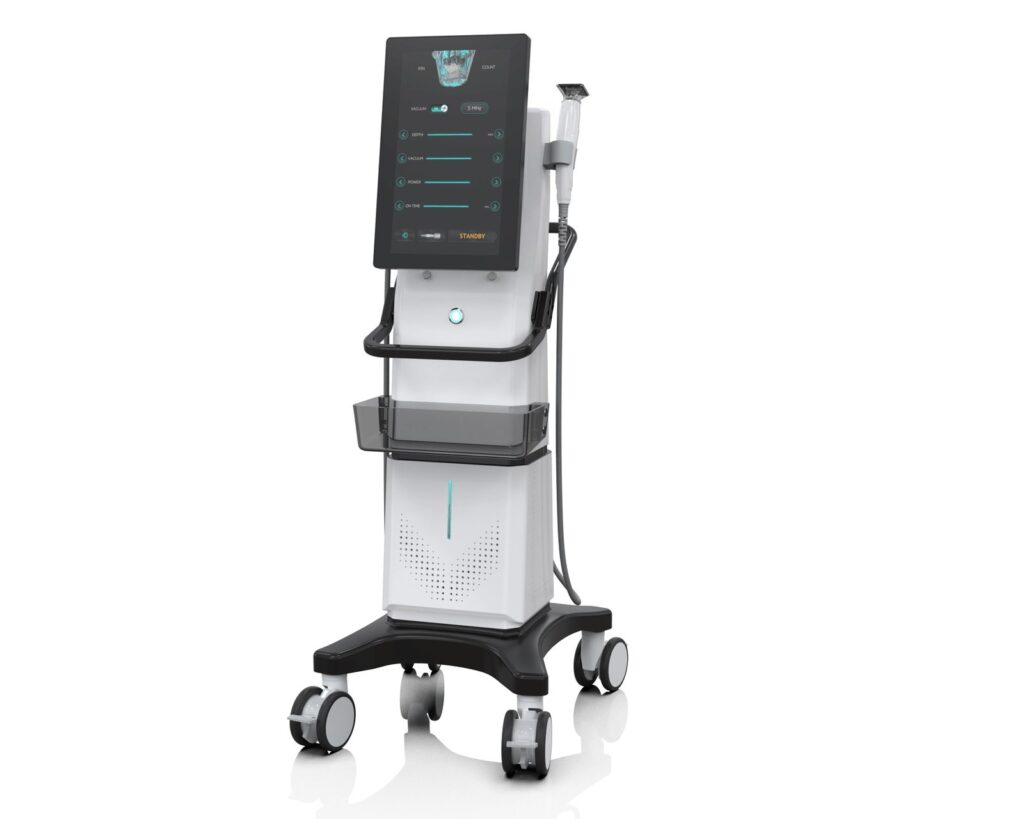
The results of HIFU treatment should be discussed through planned reviews, consistent records and realistic maintenance conversations. A HIFU treatment machine is only one part of the service: staff need training, suitable cartridges or handpieces, patient selection, aftercare information and a process for reviewing concerns. our Nubway HIFU (MPT) category can be evaluated within that workflow, while the clinic avoids presenting a single timeline as universal. Any comparison should identify the review date and treatment area, so staff do not mistake a change in photography for a change in the patient.
Why Nubway Is a Practical Partner for Personalised Aesthetic Treatments
A Portfolio That Supports Different Aesthetic Treatments
At Nubway, our equipment categories include Depilação a laser de diodo, HIFU (MPT), Cryolipolysis+Cavitation+RF and many other skin-related treatments. We recommend comparing these categories against your consultation data, treatment menu, room size and staff skill level. While some treatments are very popular at present, it is best to choose a device that complements your current services and targets specific patient needs within your proposed service model.
Training, Service and Data-Ready Consultation Workflows
At Nubway, we provide remote training, technical support and after-sales service to customers. It would be wise for customers who are looking to buy a facial treatment machine to ask about the level of training, maintenance information, documentation and service that the supplier can provide and how it will fit into the clinic’s workflow. Even though the supplier’s support can help to ensure that the equipment is used correctly and that it is maintained properly, the supplier’s evidence does not establish that every Nubway facial treatment machine includes a built-in AI analysis platform. Therefore, it is better to do a requirements-based inquiry than to assume that “smart” means autonomous.
Perguntas frequentes
P: How Should Clinics Use AI Skin Analysis Outputs in Treatment Planning?
A: Use AI outputs as structured decision support and always verify history, suitability, goals, consent and treatment plan with the patient before carrying out treatment with the aid of a qualified practitioner.
P: Can AI Skin Analysis Select a HIFU Treatment Machine on Its Own?
A: No, the AI is only there to help organize the client’s concerns. The professional determines whether HIFU is appropriate, the treatment objective, and which machine and protocol to use for the case.
P: What Should a Clinic Ask Before Buying a Facial Treatment Machine?
A: Ask about treatment fit, controls, documentation, training, maintenance, service response and future workflow integration. A facial treatment machine should be evaluated against the clinic’s actual consultation and staffing model.