
Alexandrite vs Diode Laser: Which Is Better for Professional Hair Removal?
In fact, when it comes to Alexandrite vs diode laser systems comparisons in clinics, the useful question is not which of both technologies wins ever. Buyers need to know the existing device configuration, patient mix, local clinical needs train and total service model. Wavelength is a key comparison point, but not the only determinant of suitability or outcome.
Diode-laser terms do not have clinical superiority via Google search interest. Therefore, and Alexandrite vs diode laser matters strictly depend on the precise systems a clinic is reviewing for use in which patients using what protocols under what operating requirements. A laser comparison study on Alexandrite vs diode should therefore focus entirely on the specific systems, patients, protocols and operating requirements that a clinic is analyzing.
How Do Alexandrite and Diode Laser Platforms Differ?
What Should Buyers Know About Alexandrite Systems?
An Alexandrite system is standalone, however its unique use case specs, intended user experience based on the operator skill required (and other variables), service history and competitor research should be reviewed independently. Clinics should determine what specific model they are getting from a supplier rather than assuming that all systems listed by the same laser type have identical treatment controls or workflow.
This literature is treated as a separate modality that needs its own evidence in this Alexandrite vs diode laser comparison. For determining suitability of skin or hair, any buyer comparing options must consider current independent technical and clinical sources before making superficial conclusions. Also when a buyer compares alternatives they need to source independent technical and clinical sources as of October 2023 before reaching an opinion on skin or hair compatibility.
What Does a Diode Laser Specification Tell You?
This is an example of the types of things that could be part a diode specification including wavelength, pulse controls, spot size, contact surface/ cooling features handpiece design/intended use A few of the diode designs stack many wavelengths on a heat-sinking contact surface. A list of wavelengths does not evidence that the setting is suitable for every patient; hence buyers need to validate actual configuration and model documents against what they require up until October 2023. This limitation is significant in all Alexandrite vs diode laser reviews.
For diode laser hair removal, the clinic must understand also treatment training and how to maintain it include consumables & which court for technical support. Product parametric data should be cross-referenced with the local professional requirements and operator manual, not read in isolation. For the product parameters, these should be read in conjunction with the operator manual and local professional requirements rather than taken independently.
Which Laser Should a Clinic Consider for Its Patient Mix?
How Do Skin and Hair Characteristics Shape the Discussion?
Patient assessment should consider skin characteristics, recent tanning, hair colour and calibre, treatment area, relevant history, previous procedures and expectations. These factors help a qualified practitioner determine whether a service is suitable and what additional assessment may be needed. They do not justify a universal recommendation based on one wavelength, so Alexandrite vs diode laser selection remains patient- and model-specific.
An informed Alexandrite laser vs diode laser comparison would depend upon the specific indications, and device you intend to use. If there is uncertainty about the evidence or if it does not apply to the local patient population, then that should be stated and marketing claims should not become treatment rules. In instances where the evidence is dubious or inapplicable to your local patient cohort, say so — and do not convert a marketing statement into a guideline for treatment.
How Should Clinics Discuss Comfort and Downtime?
The area of treatment, the device used, the protocol applied by each practitioner either assists or hinders patient comfort during an application as well their recovery. Informed consent for health care clinics Information (or pre-therapy info) has been shown an be effective in informing a patient of likely sensations, temporary reactions due to the mobilization and what evidence supports these narrative explanations based on that specific service. Steer clear of unsupported promises of zero pain, promise no downtime for the system. Know about claims — unsupported, that a system is painless or has no downtime.
Before starting diode laser hair removal, the clinic should explain preparation, aftercare, follow-up and whom to contact if an unexpected reaction occurs. Clear written instructions can improve consistency without guaranteeing a particular response.
How Should Buyers Compare Hair-Removal Equipment?
Which Specifications and Compliance Details Need Checking?
Compare the specific model configurations (wavelengths, pulse & output controls) spot sizes and diode laser cooling systems handpieces intended use service requirements market-specific documentation. Ensure that the offer and user manual is for the same configuration. Statistics which are designed for the portfolio should not be needed to design at a specific model. Portfolio-wide statements —that do not apply to a specific model— should not be assumed.
Clinics must also verify local regulations for operator training, device registration or importation, marketing and record keeping. The status of these varies country by country (an Alexandrite vs diode laser article cannot define one regulatory status for each category universally). Regulatory regimens for these vary by market; thus one Alexandrite versus diode laser article cannot uniformly classify the regulatory status of any category.
What Ongoing Service Should Be Included in the Review?
Details on operator training, technical support and parts availability, warranty / maintenance intervals or consumables and response arrangements should be captured in the form of a Purchase Review. Inquire about who is responsible for a fault, the information needed to diagnose it and whether there’s training given to new hires. Find out who owns a fault, which data is required for determining it and whether there are training sessions available to support a new hire.
These operational considerations can distinguish two otherwise comparable offers. They also affect how easily a clinic can maintain consistent service as staff, patient volume or treatment mix changes.
Where a clinic is new to a modality, request a demonstration using the quoted configuration and have the intended operators attend. Record unanswered questions before purchase, especially those related to service intervals, calibration, handpiece replacement, and what is covered by the warranty. A written response is easier to compare than a verbal assurance and helps align the purchase decision with the clinic’s planned workflow.
How Does Nubway Support Diode-Laser Buyers?
Which Diode-Laser Details Can Buyers Verify?
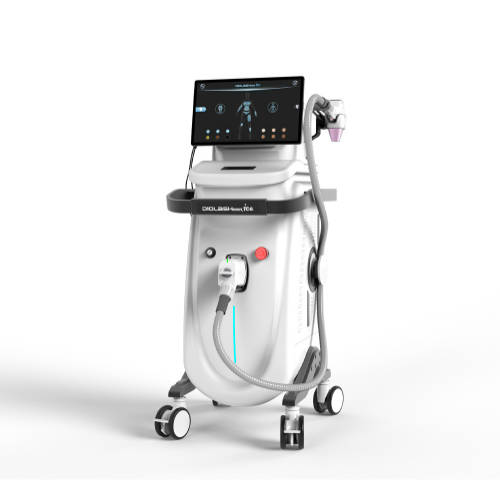
Nubway offers four-wavelength diode laser hair removal machine, including the ST808 configuration. Buyers should request the current specification for the quoted unit and verify wavelengths, handpiece, contact surface, controls, accessories, intended use, documentation and service terms. The exact configuration should be recorded in the purchase file.
For the diode side of an Alexandrite vs diode laser comparison, our ST808 configuration combines 755, 808, 940, and 1064 nm wavelengths with a sapphire treatment contact surface. These facts describe the configuration rather than prove superiority over another laser platform.
What Should Buyers Ask Before a B2B Enquiry?
Identify the target market, type of service provision expected, intended usage by consumer, expected level of operational experience and associated training requirements for it to be used at which delivery point with what assessment support. Ask for model-specific documents and a separated quote that you can identify the equipment apart from freight, accessories warranty & service. Ask for any specific documents of the device and a itemized quotation that separates out equipment from freight, accessories, warranty and service.
We can offer OEM and ODM service. Buyers need to specifically validate the realistic extent, timing and language for their product in question. This makes deciding what laser hair removal equipment to buy an official office choice rather than a raw comparison based solely on headline specs. This transforms diode laser hair removal equipment selection into a documented business decision instead of just comparing headline specs.
자주 묻는 질문
큐: Is Alexandrite or Diode Laser Better for Hair Removal?
A: There is no universal answer. The exact system, patient assessment, clinical guidance, operator competence and local requirements determine which option may be appropriate.
큐: Does the Alexandrite vs Diode Laser Choice Suit Every Skin Type?
A: No general statement can establish suitability for every person. Clinics should assess each patient and follow current guidance for the precise device and protocol.
큐: What Should Clinics Compare Before Buying a Diode Laser Machine?
A: Compare model specifications, controls, training, maintenance, service, consumables, warranty and destination-market documents. Confirm that the quotation matches the device configuration being delivered.