
An EMS sculpting machine uses controlled electrical stimulation to make selected muscles contract during a supervised session. That mechanism can complement a clinic programme, but it does not reproduce every benefit of walking, running, lifting or active daily movement. For buyers comparing an appointment with a gym plan, the practical question is not which option “wins”; it is which outcome the client wants, how consistently the plan can be followed and how the clinic will measure progress.
What Does an EMS Sculpting Machine Actually Do?
Muscle Stimulation Is Not the Same as a Workout
1 EMS彫刻機 delivers programmed impulses through applicators placed on the treatment area. The impulses recruit muscle contractions while the client remains positioned according to the device instructions. This is different from voluntary exercise, where the nervous system coordinates movement, balance, breathing and progressive loading across many muscles.
A supervised EMS appointment may therefore support a targeted body-contouring service, yet it should not be presented as a replacement for cardiovascular conditioning, mobility practice, resistance training or nutrition habits. Exercise also develops skills and behaviours that an appointment alone cannot provide. Clear wording protects informed consent and helps staff avoid promising weight loss, calorie figures or guaranteed muscle growth that the available evidence does not support.
Where Can EMS Fit a Clinic Programme?
EMS sculpting machines may suit clients who value a structured, time-limited appointment or who find it difficult to maintain a conventional routine. A consultation should establish the client’s goals, relevant health history, treatment area and willingness to follow broader lifestyle guidance. The clinic can then position EMS as an adjunctive service with documented review points.
The best programme is usually the one a client can follow safely and consistently. Staff should record baseline photographs or measurements only with consent, explain that individual responses vary and set a review date. This approach makes an EMS sculpting machine part of a professional pathway rather than a stand-alone promise.
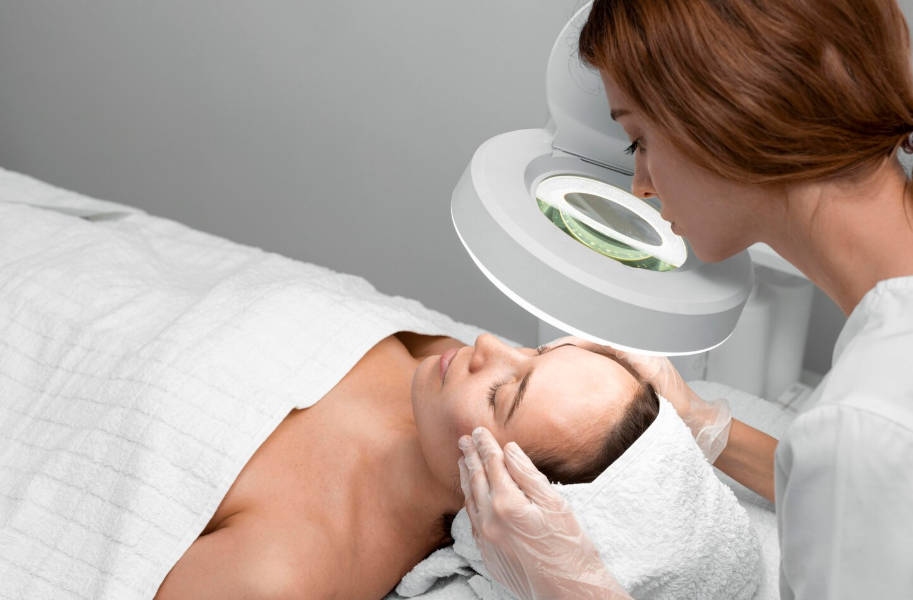
EMS Sculpting Machine vs Workout for Results and Adherence
Compare the Goal, Not Just the Treatment Time
A workout and an EMS sculpting machine answer different operational needs. Exercise can be adapted for endurance, strength, flexibility and general health, while EMS appointments focus stimulation on selected areas. A buyer should compare the intended outcome, client availability, staffing model and follow-up process before choosing equipment.
Useful clinic metrics can include attendance, completion of the planned course, client-reported comfort, circumference measurements taken consistently and photographic documentation under the same conditions. None of these should be treated as proof of a universal result. Tracking the same measures at baseline and review helps a clinic explain what changed, what did not and whether another intervention is appropriate.
Convenience may improve adherence for some clients, but convenience is not the same as physiological equivalence. Staff should describe what the service can contribute and where exercise remains essential. That balanced explanation is more credible than a claim that one session can replace an active lifestyle.
Can EMS and Exercise Be Used in the Same Plan?
Yes, when a qualified professional decides that the combination is appropriate. An EMS sculpting machine can be scheduled alongside a client’s normal activity plan, with intensity and timing set according to the device instructions and the client’s response. The clinic should avoid implying that combining modalities guarantees faster or larger results.
A joined plan should define responsibilities: the clinic manages screening, device operation and follow-up, while the client continues suitable movement and follows any aftercare guidance. If soreness, unusual discomfort or another concerning response occurs, the client should contact the clinic and pause further sessions until reviewed. Documentation of each appointment supports continuity when more than one practitioner is involved.
How Should Clinics Evaluate an EMS Sculpting Machine with RF?
Separate EMS and RF Treatment Records
An EMS sculpting machine with RF combines two energy modalities, so the consultation and treatment record should identify which mode was used, on which area and for what stated purpose. Record the screening outcome, applicator placement, selected programme, operator and client response in line with the manufacturer’s instructions for use.
Separating the records prevents staff from blending claims. EMS-related explanations should remain distinct from RF-related explanations, and marketing copy should avoid suggesting that the combination is automatically superior. Any RF-specific contraindications, contact requirements or thermal precautions must be verified against the supplied model documentation before treatment.
What Safety Questions Belong in the Consultation?
Clinics should ask patients about relevant medical history, implanted electronic devices, pregnancy status, active skin problems, reduced sensation, and any conditions that require referral in accordance with local policies. The exact screening list depends on the device instructions and the clinic’s governance process. When an answer is unclear, treatment should be deferred until a qualified professional has assessed the situation.
Consent should explain expected sensations, possible temporary reactions and when to contact the clinic. Staff should never describe an EMS sculpting machine as risk-free or suitable for everyone. A written escalation pathway, cleaning routine and incident log help the team respond consistently.
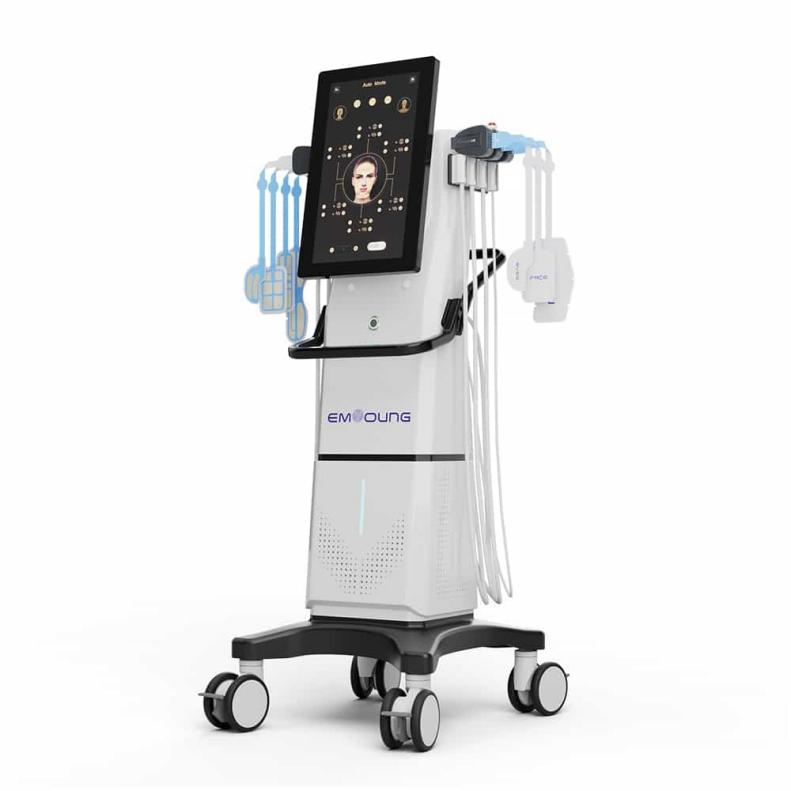
How Nubway Supports EMS Sculpting Machine Deployment
Match EMS Sculpting Machine Features to Clinic Workflow
For the Nubway EMS+RF sculpting machine, buyers should verify model-specific controls, applicators and operating information before procurement. Those confirmed features can then be mapped to room layout, appointment length, operator training and documentation needs. Any unconfirmed specification should be clarified before publication or purchase.
We recommend evaluating an EMS sculpting machine by the complete workflow: delivery, installation, staff onboarding, screening, treatment records, cleaning and review. This prevents a procurement decision based only on headline terminology and keeps the service aligned with the clinic’s scope.
Confirm Training, Maintenance and After-Sales Handover
ヌブウェイ provides one-to-one remote video training after delivery, technical communication, after-sales engineering and maintenance advice, plus website support available around the clock. We use these service elements to help buyers plan handover and escalation. The clinic remains responsible for local professional requirements, operator competence and patient assessment.
Nubway was established in 2012 and integrates R&D, production, sales and training, with more than 50 R&D engineers, a factory area exceeding 30,000 square metres and exports to more than 120 countries. These corporate facts describe supplier capacity; they do not prove a particular clinical outcome. A sensible buyer still requests current manuals, service terms and model-specific documentation.
よくある質問
Q: Can an EMS Sculpting Machine Replace Exercise?
A: No. An EMS sculpting machine can provide targeted stimulation in a supervised service, but it does not replace cardiovascular activity, mobility, progressive resistance training or healthy daily habits.
Q: What Is the Difference Between EMS and an EMS Sculpting Machine with RF?
A: EMS refers to electrical muscle stimulation. An EMS sculpting machine with RF adds radiofrequency as a separate modality. The clinic should explain, screen and document each mode according to the verified model instructions.
Q: How Should a Clinic Set Expectations for EMS Sculpting Machines?
A: Describe EMS sculpting machines as adjunctive equipment, define measurable goals, explain variable responses and schedule a review. Avoid guarantees, unsupported calorie claims and language implying that treatment removes the need for exercise.