
Cryolipolysis Treatment Areas: How Clinics Select Applicators and Plan Sessions
Cryolipolysis treatment planning starts with the patient’s anatomy, not with the largest applicator in the room. A professional clinic must decide whether a localised fat pocket is suitable, whether the tissue can be contacted safely and how several areas should be mapped across appointments. The goal is a documented, repeatable workflow for assessment, consent, placement and review—not a promise of identical results for every patient.
What Is Cryolipolysis Treatment and Why Does Area Selection Matter?
Cryolipolysis Treatment for Localised Contouring, Not General Weight Loss
What is cryolipolysis treatment in practical terms? It is a non-surgical body-contouring approach that uses controlled cooling to affect subcutaneous fat in a selected area. A clinic should present the procedure as localised contouring, not as a substitute for general weight management. This distinction keeps consultations realistic and helps the practitioner focus on a visible, pinchable area that can be assessed and documented.
The treatment concept also explains why area selection matters. An area must be accessible, compatible with the applicable applicator and suitable for the patient’s goals. Photographs, measurements and a clear description of the contour concern help the team compare progress without implying that one session will produce a guaranteed change.
Who May or May Not Suit a Cryolipolysis Treatment Area?
Screening is the first gate in the trattamento di criolipolisi process. The practitioner should review medical history, local conditions, sensitivity, previous procedures and expectations, then follow the device instructions and local clinical requirements. A patient may be interested in the abdomen, flanks, thighs or another zone, but interest alone does not establish suitability.
The consultation should also identify areas that cannot be contacted properly or where the intended contour goal is unclear. When screening identifies a concern outside the clinic’s scope, the correct action is referral or postponement, not a more aggressive setting.
How Do Clinics Match a Cryolipolysis Treatment Applicator to the Area?
Assess Tissue Volume, Area Shape and Cryolipolysis Applicator Contact
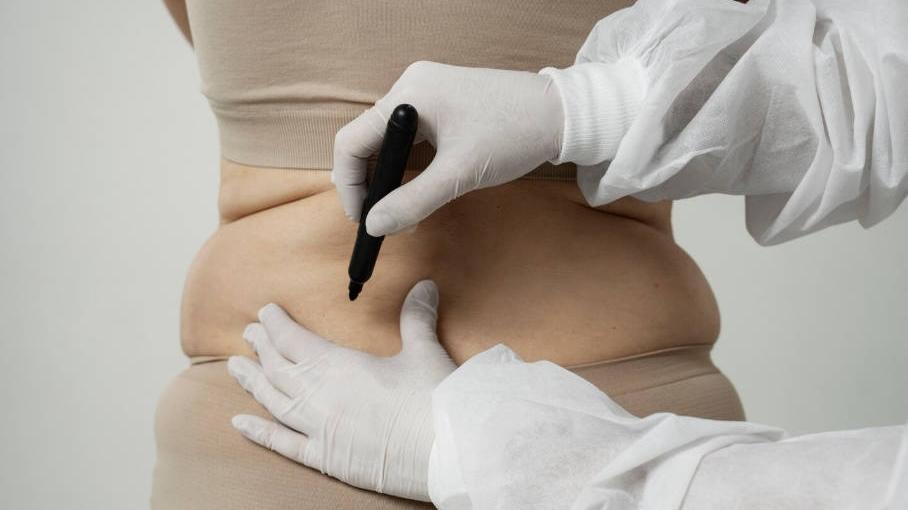
The cryolipolysis treatment procedure should begin with physical assessment. Record the area, tissue volume, skin condition, contour direction and whether the applicator can make stable contact. The team should consider the patient’s position, access for the operator and the protection of adjacent structures. A simple body map can show the proposed centre point, borders and any area deliberately excluded.
This assessment is more useful than selecting a head by name alone. A clinic can photograph the area under consistent conditions, take agreed measurements and note asymmetry. Those records support consent and make later review more meaningful.
Why Are Cryolipolysis Applicator Fit and Placement More Important Than Size Alone?
The biggest cryolipolysis treatment machine applicator is not automatically the right choice. Fit depends on the shape and mobility of the tissue, the contour being addressed and the contact that can be maintained throughout the procedure. Poorly matched placement may create an uneven plan or leave the intended zone partly untreated.
Placement should therefore be mapped before the patient is positioned for treatment. Marking helps the team maintain symmetry, avoid unplanned overlap and document why a particular head was chosen. The applicable instructions for use remain the authority for operation; a general article should not prescribe temperatures, vacuum levels or treatment times.
Planning the Cryolipolysis Treatment Process and Session
Map Cryolipolysis Treatment Zones and Sequence Applicator Placements
Once the area is accepted, convert the contour goal into a placement map. Mark the intended zones, identify right-left symmetry where relevant and agree how multiple placements will be sequenced. A written cryolipolysis treatment procedure can include the treatment date, area code, applicator identification, operator and pre-treatment photographs.
The sequence should reflect safe access and the clinic’s workflow. If several areas are planned, the team can group them by patient position, room setup or practitioner availability, provided the plan remains within the device instructions and local requirements. Avoid promising that more placements automatically mean a better result.
Document the Cryolipolysis Treatment Procedure and Schedule Review
Documentation should capture the assessment, consent, selected area, applicator, settings used by the trained practitioner, skin checks and immediate response. The cryolipolysis treatment process is not complete when the applicator is removed. The patient needs a review plan, a contact route for concerns and an explanation that visible change may take time.
Before considering another session, compare photographs, measurements, patient feedback and any adverse response. A review-led plan is safer than selling a fixed number of sessions in advance.
Cryolipolysis Treatment Side Effects, Expectations and Price Variables
Which Cryolipolysis Treatment Side Effects Require Clear Pre-Treatment Counselling?
Consent should explain temporary effects that may occur after cooling, such as altered sensation, tenderness, redness, swelling or bruising, while making clear that individual responses vary. The practitioner should also explain which changes require prompt contact, including severe or worsening pain, marked skin change or symptoms that do not follow the expected course. The clinic should use verified safety information and its own escalation policy rather than a generic online list.
What Determines Cryolipolysis Treatment Price?
Cryolipolysis treatment price is shaped by the number and size of areas, applicator availability, appointment length, staffing, consumables, review requirements and local operating costs. A transparent quote should state what is included, when review occurs and whether additional areas are assessed separately.
Planning Treatment Areas with a Nubway Cryolipolysis Treatment Machine
Evaluate Cryolipolysis Applicator Range and Multi-Zone Workflow
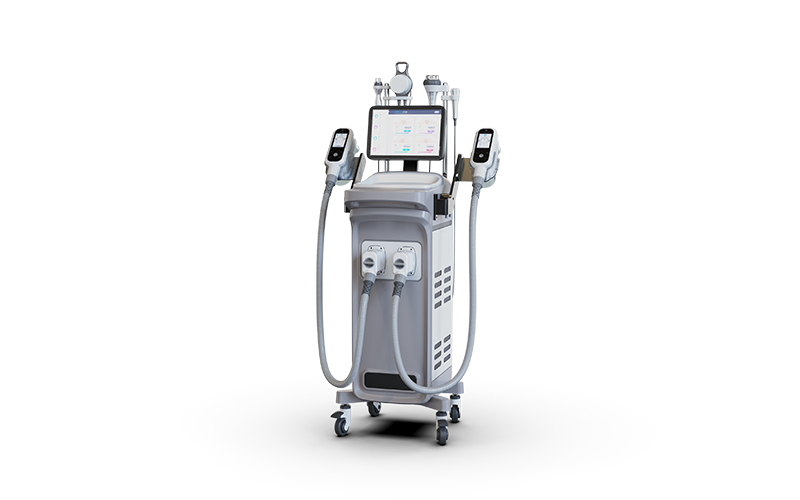
We assess equipment against the area-planning workflow, not only against a headline feature. Nubway’s C10 cryolipolysis treatment machine is listed with five replaceable plug-and-play treatment heads and a capability to treat up to four zones at once. For a clinic, those features create questions about head-to-area matching, room layout, staffing and documentation. They do not remove the need for screening or guarantee a particular contour outcome.
Confirm Cryolipolysis Training, Protocol Control and After-Sales Support
Our procurement review also covers implementation. Nubway provides professional training, technical communication, maintenance advice and ongoing support channels. The C10 listing includes dual real-time temperature sensors and pre-set treatment protocols; staff should still work within the applicable instructions for use and local rules. Buyers evaluating a cryolipolysis treatment machine can ask how training records, servicing, protocol updates and patient documentation will be managed after installation.
Nubway’s wider operating support can be included in the buyer’s deployment checklist. Professional beauty instructors provide one-to-one remote video training after delivery, and the official website is supported 24/7 by after-sales engineers. Nubway also describes an integrated R&D, production, sales and training organisation, with more than 50 R&D engineers and a factory exceeding 30,000 square metres. These facts help buyers assess handover and service continuity; they do not predict clinical outcomes or replace local compliance checks.
FAQ
Q: How Are Cryolipolysis Treatment Areas Selected Before a Session?
A: Cryolipolysis treatment areas are selected based on the patient’s anatomy, localized fat pocket, tissue volume, area shape, and whether the cryolipolysis applicator can achieve safe and stable contact. A trained practitioner should assess the target area, confirm suitability, and create a treatment plan according to the applicable device instructions.
Q: How Many Cryolipolysis Treatment Areas Can Be Planned in One Session?
A: There is no universal number. The plan depends on assessment, applicator configuration, patient tolerance, staffing and the device’s approved workflow.
Q: When Should Clinics Review a Cryolipolysis-Treated Area?
A: Set review timing through the clinic protocol and the patient’s response. Compare consistent photographs, measurements and symptoms before planning another cryolipolysis treatment procedure.