
HIFU vs RF Skin Tightening: Differences, Results, and Ideal Treatment Candidates
HIFU vs RF is a common comparison that clinics make when looking to expand the non-surgical skin-tightening aspect of their treatments. Both use controlled energy but there are significant differences between the two treatments in terms of delivery, device control, clinic requirements and patient expectations. A balanced comparison of the two technologies includes an analysis of the end treatment goal, the type of HIFU and RF platforms on the market, the skin type and condition of the patient and the business model of the clinic. Instead of asking which is best, ask which treatment is best for your patients and look for evidence that supports the proposed treatment protocol.
How Do HIFU and RF Skin Tightening Differ?
What Does HIFU Technology Aim to Do?
While HIFU treatments are generally delivered to specific depths within the skin using focused ultrasound energy, the actual treatment plan can vary greatly depending on the handpiece, cartridge, energy levels, surface area, and operator training. Thus, assessment of a HIFU treatment machine must focus on the controls and workflow of the unit rather than only the technology label. Verify the cartridges available, depth settings, energy output, treatment guidance, maintenance requirements and intended use of the device in the destination country.
When someone searches for “HIFU results for face”, they expect to see quick results in a photograph. In your consultation, you must explain that photographs of faces are subject to many variables, including lighting, expression, temporary swelling, degree of hydration and time between treatment and photograph. Using consistent photographs and clear language helps to prevent one person’s experience from being promoted as the expected outcome to others. This is especially important in an HIFU vs RF consultation as neither treatment should be judged by an isolated photograph.
How Does RF Skin Tightening Differ by Device Type?
Radiofrequency is not one single treatment category. External-contact RF, multipolar systems, and mesin microneedling RF vakum can use different delivery methods and create different workflows. A comparison of HIFU vs RF skin tightening should name the specific RF device being considered. Buyers should ask whether it uses external electrodes, needles, vacuum assistance, adjustable output, or another delivery method, and should review the corresponding training and consumables.
Blind statements such as “RF is painless” or “HIFU always reaches deeper” should not be generalized across every device or protocol. Such statements describe a particular platform/protocol, and in a comparative review of HIFU vs. RF, the platform/protocol in question, not the category as a whole, should be cited.
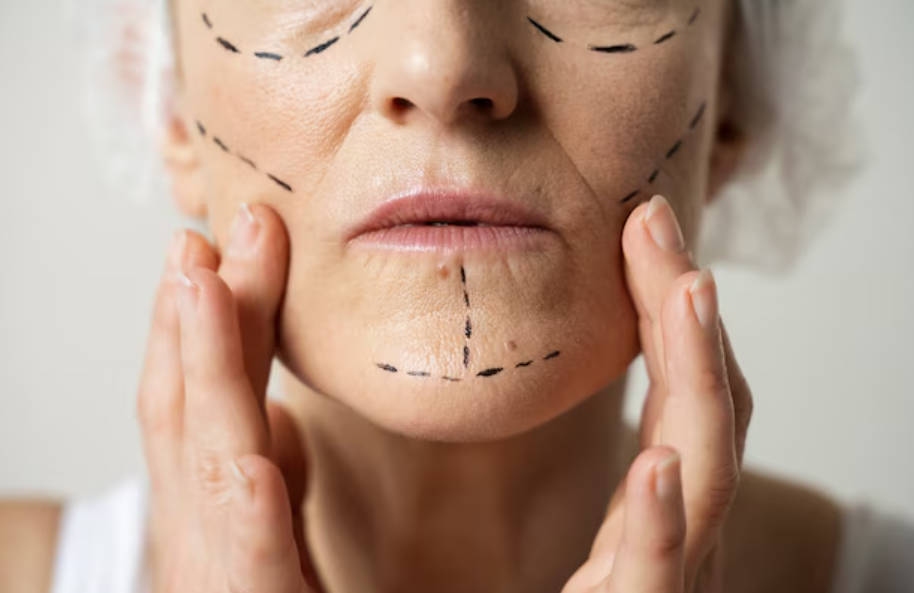
Which Treatment Candidates and Results Should Clinics Discuss?
What Can HIFU Before and After Photos Actually Show?
Even though HIFU before-and-after pictures may document change in an individual case, they have to be judged individually. Useful before and after pictures of a treatment area have to be taken under the same conditions for lighting, camera angle and expression Also, it has to be clearly stated when other treatments or skincare have been applied in the period of time displayed in the pictures.
Early results vs. later review: Temporary changes in your skin may mean that early before-and-after photos are not the best. A later assessment of results is more informative and this should be outlined in your review schedule. Results should be described in terms of the patients’ concerns, i.e., skin laxity and not quantitative lifting.
How Should Clinics Match a Modality to a Consultation?
We start with your problem, area to be treated, skin type and concerns, medical history, previous treatments and your goals for new treatments. A professional practitioner will then determine if HIFU or RF treatments or even other types of non-surgical treatments, are best for you. They make this decision based on a proper consultation with you, not based on the label of a device. When it comes to choosing between HIFU and RF treatments, the choice is usually made during the consultation with the practitioner, not by reading the sales brochures.
An HIFU machine can be used for many different treatments depending on the configuration of the machine and the treatment protocol of the clinic. So it is good to ask about the treatment menu that the seller offers, about the training that the seller offers, about the consumables that the seller offers, about the service that the seller offers and about the documentation that the seller offers. A fair comparison between HIFU and RF can only be made after you have cleared up many things about the service offered to the patient, such as patient selection, treatment, follow-up and realistic information to the patient.
How Can Clinics Compare HIFU and RF Equipment?
Which Specifications Need Model-Level Verification?
Request a model-specific specification sheet for each of the HIFU models you are looking at. For RF, list the methods of delivery, treatment head design, types of needles or electrodes, consumables required, control range of the machine, and method of cleaning the head. Don’t confuse marketing hype with clinical proof of performance.
When reviewing HIFU vs RF equipment, do not assume that documentation for one model covers an entire portfolio. Ask the supplier for model-level and destination country-level documentation intended for the specific configuration you are purchasing. This will ensure you are reviewing the correct information for the systems you plan to use.
What Should Training and Support Cover?
The training should cover the following topics: Setup of the device, preparation of the treatment, selection of parameters, the screening procedure, cleaning of the device, creation of treatment reports, possible malfunctions and how to handle them and finally how to escalate a problem. A new HIFU treatment machine can cause a lot of operational risks if only a short demonstration of the device is given to the staff and no written procedure exists.
Does the supplier provide OEM and ODM support and after-sales service? Check the delivery terms and language, response time, spare parts supply and local compliance issues prior to ordering.
How Does Nubway Fit a Clinic’s Equipment Review?
What Can Clinics Review in the MPT HIFU Listing?
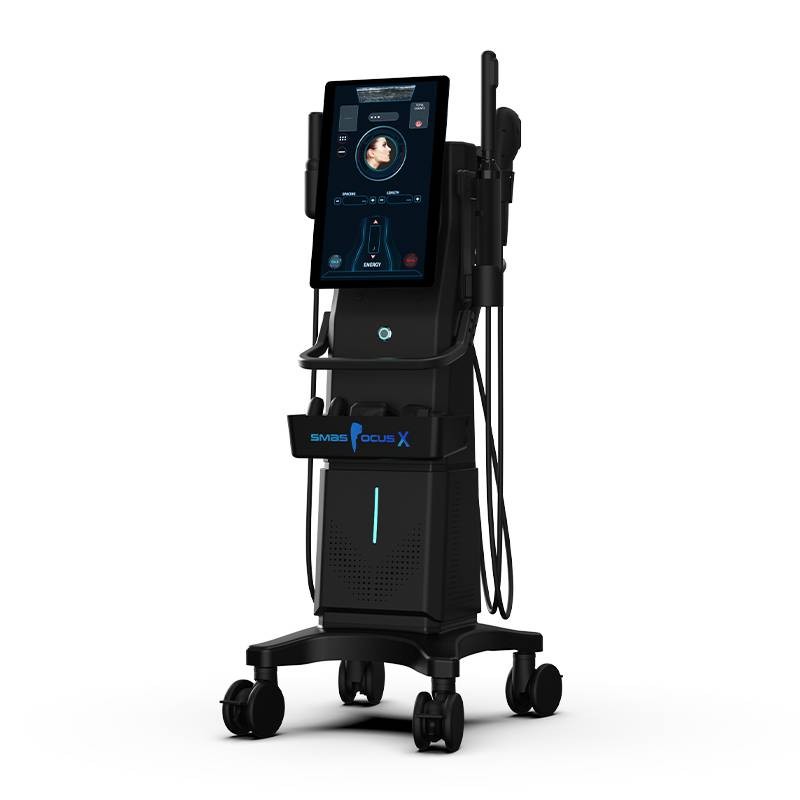
Our Nubway HIFU (MPT) machine is designed to be used by professionals for skin-tightening treatments. Buyers can review the current HIFU (MPT) product information for handpieces, treatment areas, workflow and purchasing documentation. Confirm the exact model specifications, included accessories, intended use and destination-market approvals against the current quotation before ordering.
We established Nubway in Shunyi District of Beijing in 2012, is a total manufacturing company that integrates research and development, production, marketing and training within a single manufacturing entity. Our factory area covers more than 30,000 square meters, contains a CNC machining center, a specialized production area and a Class 10,000 clean room. The facilities mentioned here are for manufacturing purposes only and do not refer to the treatment of individual patients.
We have an R&D team of over 50 engineers. Our services for OEM and ODM products are available for any kind of customization, including product logos and OEM packaging. The exported equipment is used in more than 120 countries and regions. Our customers are spread over Europe, North America, the Middle East, and Asia/Australasia. With over 15,000 customers from all over the world in these markets, we have an international network of customers and are supported by our pre-sales consultation team and after-sales service team.
Following delivery of the beauty equipment, At Nubway, we supply remote one-to-one training with experienced beauty instructors. The after-sales team consists of over 20 engineers and can provide technical communication and maintenance advice as required. Additionally, we retain a team of international pre-sales consultants and after-sales contact persons to assist with clinics comparing HIFU vs RF and to discuss the use of the equipment, staff training and maintenance with the manufacturer.
What Should Buyers Confirm Before Enquiry?
Outline your specific needs prior to requesting a quote, such as intended service, treatment areas, expected use, destination market, staff’s previous experience operating aesthetic equipment, amount of training required, proposed consumables, required warranty period and delivery location.
When comparing HIFU and RF technologies, ask for separate documentation for each technology. This allows you to compare configuration, purchase price, staff training, service and support between two very different technologies.
Pertanyaan yang Sering Diajukan (FAQ)
Q: Is HIFU Better Than RF for Skin Tightening?
A: Neither technology is automatically better for every patient or clinic. The suitability of a technology largely depends on the respective treatment objective, on the respective device, on the respective assessment situation, on the respective operator and his training as well as on local requirements and conditions.
Q: When Might Patients Notice HIFU Results?
A: Results from HIFU can vary from person to person and also from treatment to treatment. A review plan should be in place and clients informed that an early photo may not accurately reflect a later assessment.
Q: What Should a Clinic Check Before Choosing a HIFU Machine?
A: Make sure the specified model, handpieces, controls, training, service, etc., and all other required information are correctly described in the written specification. It should accurately reflect the supplied configuration.