
Microneedling Aftercare Protocol for Clinics: Patient Instructions, Red Flags and Follow-Up
Microneedling aftercare is not a generic leaflet handed out after every appointment. For a professional clinic, it links treatment depth, area, skin response and follow-up communication. A clear protocol helps patients understand what is normal, what to avoid and when to contact the clinic, while giving the team a consistent record for future sessions.
What Should a Microneedling Aftercare Protocol Accomplish?
Post Microneedling Aftercare for the Skin Barrier and Patient Expectations
The immediate priority of post microneedling aftercare is to support skin while its barrier is temporarily more vulnerable. Patients should receive written instructions matching the treatment, approved products and personal risk profile. The language should be calm and specific: explain likely sensations, identify activities that may increase irritation and give one reliable contact route.
Expectation setting is part of safety. Redness, warmth, tightness or mild sensitivity can vary with depth, area and individual response. A protocol should avoid promising an identical recovery time and explain how the clinic will review progress.
How Does RF Microneedling Aftercare Differ?
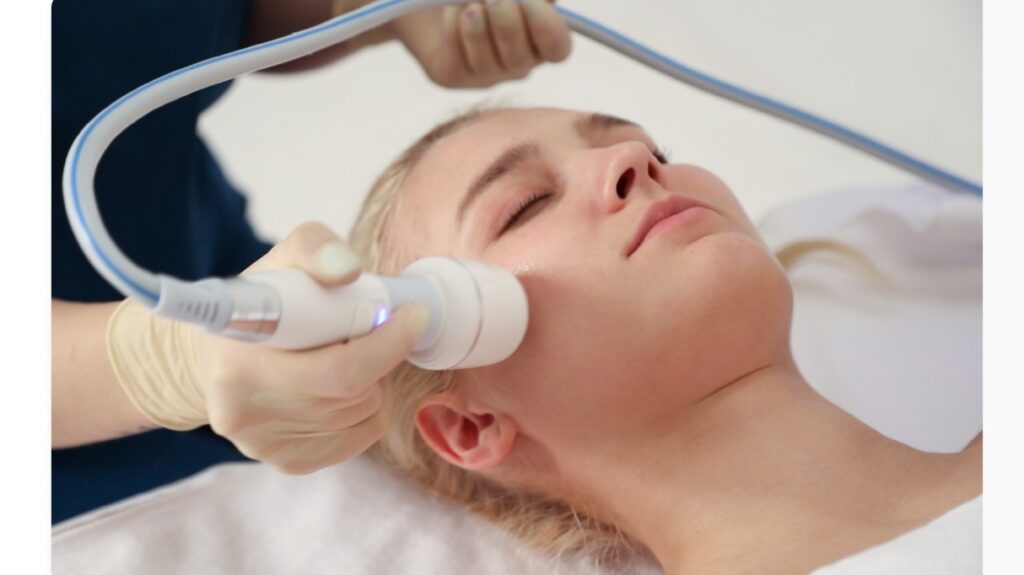
soins post-traitement par micro-aiguilles RF needs the same barrier-first communication, but the instructions should also reflect the use of radiofrequency energy and the settings selected by the practitioner. Radiofrequency microneedling aftercare may require closer documentation of the treatment mode, area and immediate response because energy delivery can influence the visible reaction. Standard microneedling and RF procedures should not be treated as interchangeable templates. The discharge sheet should name the procedure, record the clinician’s instructions and avoid adding timing that has not been approved for that patient.
Microneedling Aftercare During the First 24 Hours
Immediate Microneedling Aftercare Instructions
The first sheet should start with positive actions. Patients can be told when and how to cleanse according to the practitioner’s plan, which products are approved, and how to keep hands, towels and pillowcases clean. Explain how to apply any recommended product without rubbing aggressively. Following the supplied plan is more useful than experimenting with new active products.
The patient should know how to reach the clinic. A message service or scheduled check-in gives an escalation route. For RF microneedling aftercare instructions, record the modality and advice issued at discharge so another team member can answer consistently.
What Should Patients Avoid During Microneedling Aftercare on Day One?
During the microneedling aftercare first 24 hours, clinics commonly ask patients to avoid actions that add friction, heat, contamination or chemical irritation. The exact restrictions depend on the practitioner’s assessment, but the written plan should address vigorous exercise, intense heat exposure, swimming, touching or picking the treated area and unapproved skincare products. Patients should not assume that a product is suitable simply because it was tolerated before treatment.
Prioritise instructions. Patients who understand the highest-risk behaviours are more likely to follow the plan than those given an unstructured catalogue of warnings. If an instruction is unclear, pause the questionable activity and contact the clinic.
Microneedling Aftercare Day by Day and Follow-Up
Microneedling Aftercare Days 1-3: Monitor Comfort and Skin Response
The first three days are a monitoring period, not a race to meet a fixed deadline. In post microneedling aftercare, patients can be asked to observe whether discomfort is settling, whether redness is changing as expected and whether the treated area is becoming more irritated rather than less. A daily note or photograph, captured according to clinic privacy policy, can help the practitioner compare the direction of change.
The team should define the difference between a question and an emergency. Mild concern can use the normal contact route, while rapidly worsening symptoms or significant distress should follow the clinic’s urgent process. The protocol should never encourage self-diagnosis.
Microneedling Aftercare Days 4-7: Review Recovery Before Resuming Routine
By days four to seven, the patient may consider returning to normal skincare or exercise. Microneedling aftercare day by day should make this a review decision rather than an automatic calendar rule. If skin remains unusually uncomfortable, worsens or does not follow the expected pattern, seek advice before resuming potentially irritating products or activities.
At follow-up, compare the report with the treatment record, clarify which products may return and document changes to the next-session plan. This creates a feedback loop informed by the last response, not a generic schedule.
How Should Clinics Handle Microneedling Aftercare Red Flags and Follow-Up?
Expected Microneedling Responses Versus Aftercare Warning Signs
Patients need a plain-language boundary between an expected short-term response and a warning sign. Increasing pain, spreading heat, marked swelling, discharge, blistering, fever or a rapidly worsening appearance should prompt contact with the clinic or appropriate medical service, according to the clinic’s escalation policy. The article does not diagnose a complication; it gives the patient a reason to seek professional review.
The same message should appear in verbal and written instructions. If a patient sends a photograph, acknowledge receipt, record the advice and specify whether an in-person review is needed. This protects continuity when the original practitioner is unavailable.
Recording RF Microneedling Variables and Follow-Up Decisions
Good microneedling aftercare depends on good records. Store the treated area, disposable or cartridge information, device mode, depth or energy settings used by the practitioner, skin preparation, immediate response and instructions supplied. Record the date and channel of any follow-up contact, the patient’s description and the decision made.
For RF microneedling aftercare instructions, this record should distinguish the energy-assisted procedure from standard microneedling. It should not imply that one setting guarantees one recovery pattern. The purpose is traceability, consistent counselling and safer decision-making at the next appointment.
Building an RF Microneedling Aftercare Workflow avec Nubway
Link RF Microneedling Device Variables to Patient Instructions
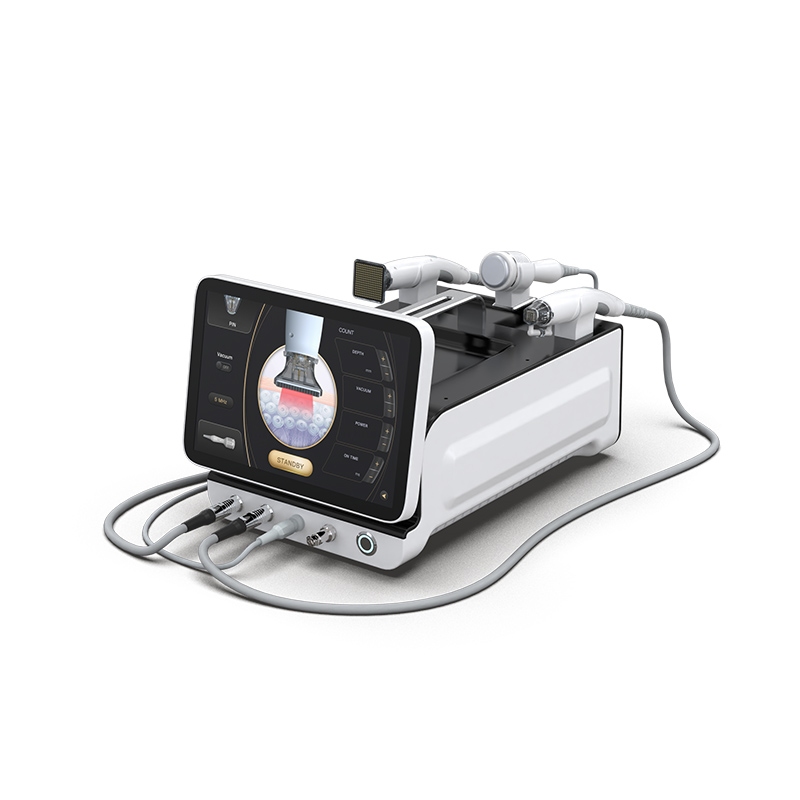
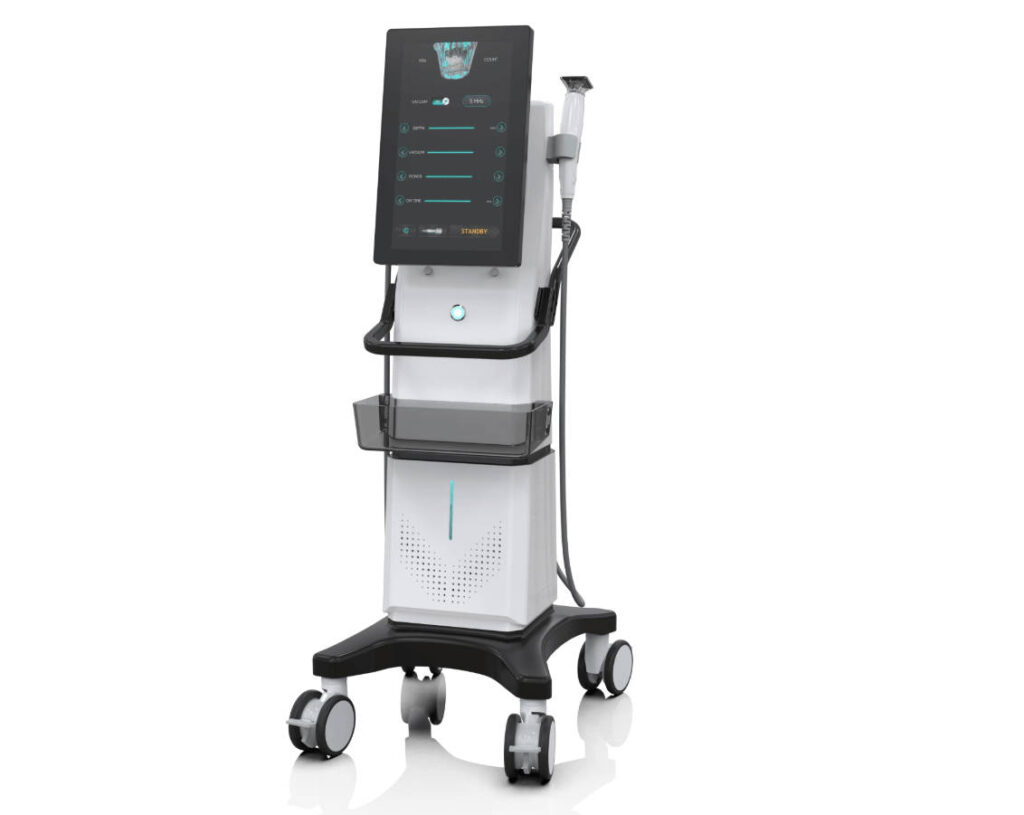
We use the Nubway vacuum RF microneedling machine as an example of why equipment details belong in the clinic record. The listed configuration includes four treatment-head sizes, vacuum-assisted contact and a stated depth range of 0–4 mm. Those details can help a clinic connect the treated area and selected head with the instructions given to the patient. The record should still reflect the practitioner’s actual assessment and settings for each case.
Standardise Aftercare Training, Handover and Technical Support
Our workflow planning also includes handover. Nubway provides professional training, technical communication, maintenance advice and ongoing support channels. A clinic can use those operational resources to standardise staff orientation, document who completed treatment and keep aftercare instructions aligned with the equipment workflow. Support does not replace clinical judgement, consent or local requirements, but it can make routine processes easier to repeat. Clinics evaluating a machine à micro-aiguilles RF sous vide should ask how training, service communication and recordkeeping will fit the planned patient journey before deployment.
Nubway’s service model also gives clinics a practical continuity checklist. Professional beauty instructors provide one-to-one remote video training after delivery, while the official website offers 24/7 support and access to after-sales engineers. A clinic can assign a trained operator, retain the training record and define who handles technical questions. These are operational controls that support a consistent patient pathway; they are not substitutes for local clinical governance or practitioner competence.
FAQ
Q : How Long Does Skin Take to Settle After Microneedling?
A: There is no single recovery time for every patient. Skin response depends on the treatment plan and individual factors. Follow the clinic’s instructions and contact the team if symptoms worsen or remain concerning.
Q : When Can Patients Resume Their Normal Skincare Routine After Microneedling?
A: Resume products and activities only when the skin is settling and the treating practitioner confirms that the routine is appropriate. Avoid using the calendar alone as a substitute for review.
Q : When Should a Patient Call the Clinic After Microneedling?
A: Call when pain, heat, swelling, discharge or another change is worsening, persistent or difficult to interpret. Use the urgent route if the clinic has identified one for severe symptoms.