
How to Choose the Best Laser Hair Removal Machine for Your Clinic
The best system is not automatically the one with the longest specification sheet or the highest headline power. A clinic should begin with patient mix, treatment menu, staff capability, room constraints and local documentation requirements. Wavelength strategy, cooling, parameter control and supplier support then become easier to judge. This approach turns equipment selection into an operating decision rather than a comparison of isolated marketing claims.
What Are the Different Types of Laser Hair Removal Machines?
How Do Wavelengths Affect Patient Selection?
Professional systems commonly use diode, alexandrite or Nd:YAG laser technology. Each category has characteristic wavelength options and operating designs. Wavelength influences how light interacts with melanin and reaches the intended target, but it is only one part of treatment planning. Hair colour and calibre, skin characteristics, treatment area, settings, cooling and operator technique must be considered together.
When clinics compare types of laser hair removal machine, the useful question is not which label sounds most advanced. Buyers should ask which patient profiles and treatment areas are supported by the exact model, which parameters trained operators can control, and what evidence and instructions accompany the equipment. A platform that covers a wider service mix may benefit one clinic, while a focused configuration may be more practical for another.
When Is a Diode Laser Hair Removal Machine a Practical Fit?
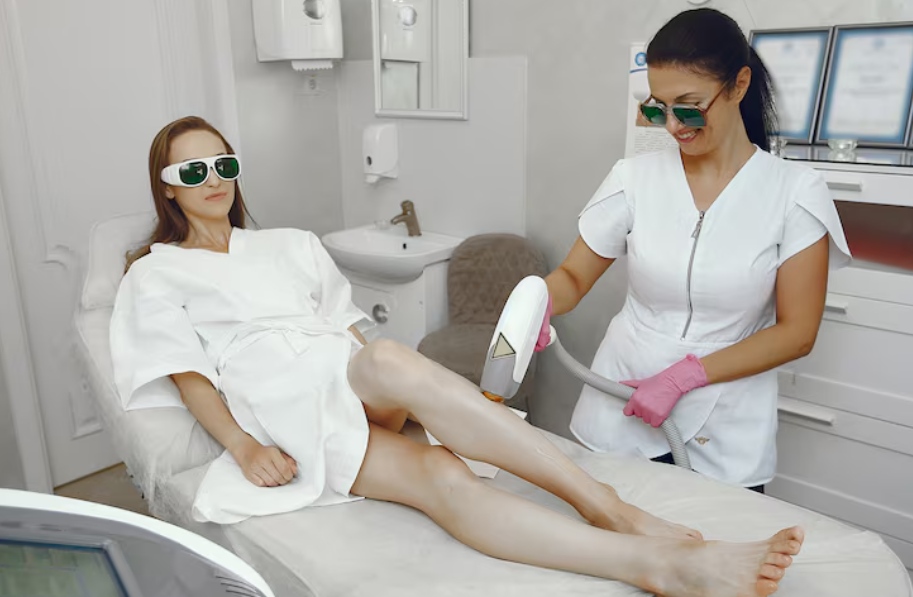
Diode equipment can be attractive when a clinic wants a dedicated professional hair-reduction service with defined wavelength, pulse and cooling controls. Buyers should verify spot size, pulse-width range, repetition rate, energy adjustment, contact surface, cooling performance and handpiece handling. These features affect consultation planning, treatment speed, operator comfort and the ability to maintain consistent records.
A diode platform is not a substitute for assessment or training. Written protocols should cover patient screening, test procedures where appropriate, parameter selection, treatment endpoints, aftercare and escalation. The model documentation and local professional requirements remain more important than a general category claim.
Which Features Matter in a Clinic-Ready System?
What Should Clinics Check in an 808nm Diode Laser Hair Removal Machine?
An 808 nm wavelength is widely associated with diode hair-reduction platforms, but the wavelength alone cannot describe performance or suitability. Clinics should consider how 808 nm is combined with pulse duration, fluence, spot size, repetition rate and contact cooling. A demonstration should show whether settings are clearly visible, adjustments are deliberate and the handpiece maintains reliable contact during the intended technique.
Some systems combine 808 nm with additional wavelength options. That can widen the planning discussion, but it does not remove the need for patient-specific assessment. Buyers should also distinguish between an available wavelength and evidence that a particular configuration is suitable for a defined patient population.
Does Portable Mean Easier to Operate?
A portable diode laser hair removal machine may reduce the physical footprint or make room allocation more flexible. Portability does not automatically mean simple installation or mobile-service suitability. Clinics still need to confirm equipment weight, transport protection, electrical requirements, ventilation, cooling, safe storage and the manufacturer’s conditions for operation.
The phrase portable 808 diode laser hair removal machine should therefore trigger a workflow review. Moving a unit between rooms, sites or vehicles can introduce handling and documentation risks. A buyer should confirm whether the warranty and service arrangements cover the proposed use before treating portability as a commercial advantage.
How Should Clinics Compare Price, Supplier and Total Operating Value?
What Should a Diode Laser Hair Removal Machine for Sale Include?
A useful quotation identifies the exact model and configuration rather than presenting a bare purchase figure. It should list the machine, handpieces, wavelength options, accessories, consumables, training, warranty terms, installation requirements, manuals and available market documents. Delivery time, packaging, acceptance checks and technical support should also be clear.
This detail explains why diode laser hair removal machine price cannot be judged from one advertised number. Two quotations may cover different handpieces, service periods, spare parts or training. Clinics should calculate total operating value across the expected service period and ask what happens when a consumable, handpiece or cooling component needs attention.
How Should Clinics Evaluate a Diode Laser Hair Removal Machine Supplier China Search Result?
Search wording can locate manufacturers, but it cannot complete due diligence. Buyers should verify manufacturing capability, quality processes, technical communication, training resources, after-sales routes and the supplier’s ability to provide documents for the exact model and destination. Portfolio-wide certificates should not be assumed to apply to every configuration.
References, demonstrations and written response procedures are more useful than broad claims. Clinics should know who receives a technical question, how remote diagnosis works, which parts can be supplied and how warranty cases are documented. OEM or ODM requests also need an agreed specification, artwork process, production schedule and approval step.
How Can Nubway Support a Professional Hair-Removal Programme?
Which Specifications Belong in a Clinic Demonstration?
At Nubway, our ST808 platform lists four wavelength options: 755, 808, 940 and 1064 nm. The documented configuration also includes adjustable pulse and frequency controls, a sapphire contact surface and active cooling. During a demonstration, a clinic should connect these features to the planned service mix rather than treating the numbers as outcome guarantees.
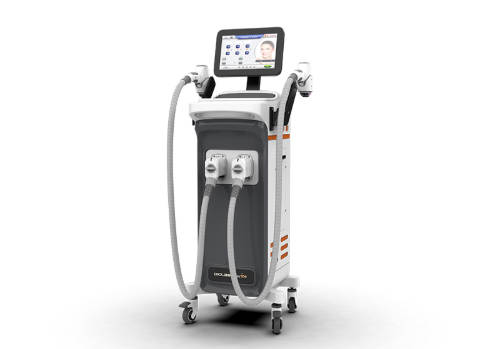
Operators can review interface logic, parameter visibility, handpiece balance, contact cooling and cleaning requirements. Nubway should confirm the exact spot-size and handpiece configuration included in the quotation, because optional arrangements can change workflow and price. The same discussion should establish which instructions and market documents accompany the ordered model.
Quelles questions les acheteurs doivent-ils poser concernant la formation et le service après-vente ?
Nubway provides remote one-to-one training, technical communication, maintenance advice and after-sales support. A clinic should define who attends training, how competency is recorded and which routine checks belong to staff. Fault escalation, spare-part access, consumables and response expectations should be agreed before installation.
Nubway can also discuss OEM or ODM requirements where these are relevant to a distributor. Customisation should follow a written approval process and should never obscure the underlying technical configuration or documentation. With those points settled, the buyer can compare the proposed package against clinical workflow and operating budget.
FAQ
Q : Is There One Best Laser Hair Removal Machine for Every Clinic?
A: No. The suitable choice depends on patient mix, services, staffing, room conditions, available documentation and support. A wider specification is valuable only when the clinic can use the relevant features safely and consistently.
Q : What Determines a Laser Hair Removal Machine Purchase Cost?
A: Configuration, wavelength and handpiece options, cooling design, accessories, training, warranty, logistics, documentation and after-sales coverage can all affect the quotation. Buyers should compare the same scope and calculate operating value rather than relying on an unsupported price range.
Q : Is a Portable Laser Hair Removal Machine Right for a Mobile Service?
A: Only after the buyer confirms transport protection, electrical and environmental requirements, safe operation, local rules, warranty coverage and service access. A smaller enclosure alone does not establish suitability for mobile treatment.