
808nm vs 755nm vs 1064nm Diode Laser: Which Wavelength Is Best for Hair Removal?
Choosing a wavelength for diode laser hair removal is a treatment-planning decision, not a contest with one winner. Clinics need to consider skin phototype, hair colour and calibre, anatomical area, cooling and the operator’s protocol. A machine offering several wavelengths can give a team more options, but the quality of consultation and control of settings determine whether those options are useful.
How Do 755nm, 808nm and 1064nm Wavelengths Work?
Selective Absorption and Follicle Targeting
Laser energy is absorbed by pigment associated with the hair and converted into heat. The intended target is the follicular structure; epidermal exposure must be managed with suitable parameters and cooling. Wavelength influences how light interacts with pigment and how deeply it travels. Pulse duration and delivered energy matter just as much, so the wavelength label cannot function as a complete treatment protocol.
Why Wavelength Alone Does Not Determine the Result
A client with thick, dark leg hair presents different treatment considerations from a client with fine facial hair or recent sun exposure. Technicians should assess these factors before choosing machine settings and deciding whether treatment is appropriate. A useful professional protocol depends on suitable equipment controls, trained staff and accurate records, not on promises of identical results for every client.
755nm vs 808nm vs 1064nm: Which Wavelength Fits Which Client?
755nm: A Shorter-Wavelength Option for Selected Hair Profiles
The 755nm band interacts more strongly with melanin than longer near-infrared options. That may make it useful for selected pigmented hair profiles, provided the practitioner weighs potential epidermal absorption, skin phototype and cooling. It should not be described as universally best for fine hair or lighter skin. A clinic should ask how its specific diode platform delivers the 755nm component and which controls are available to the operator.
808nm: The Versatile Middle Option for Professional Clinics
The 808nm band is often used as a practical middle option when a clinic serves a varied patient mix. An 808 diode laser hair removal machine still needs to be assessed for delivered output, pulse control, spot size, contact cooling and sustained operation. A familiar wavelength does not make two machines clinically interchangeable. The clinic should document which profiles are suitable for its own device and train staff to work within the manufacturer’s instructions.
1064nm: When Deeper Targeting and Conservative Selection Matter
The longer 1064nm band generally penetrates more deeply and has lower melanin absorption than 755nm. This can be relevant when evaluating darker skin phototypes and deeper, coarser hair, although lower pigment absorption does not eliminate thermal risk. Conservative settings, cooling and operator judgement remain necessary. A useful comparison asks how each wavelength fits the clinic’s patients and treatment areas, rather than ranking the three bands without context.
What Happens During a Professional Treatment?
Consultation, Preparation and Patch-Test Thinking
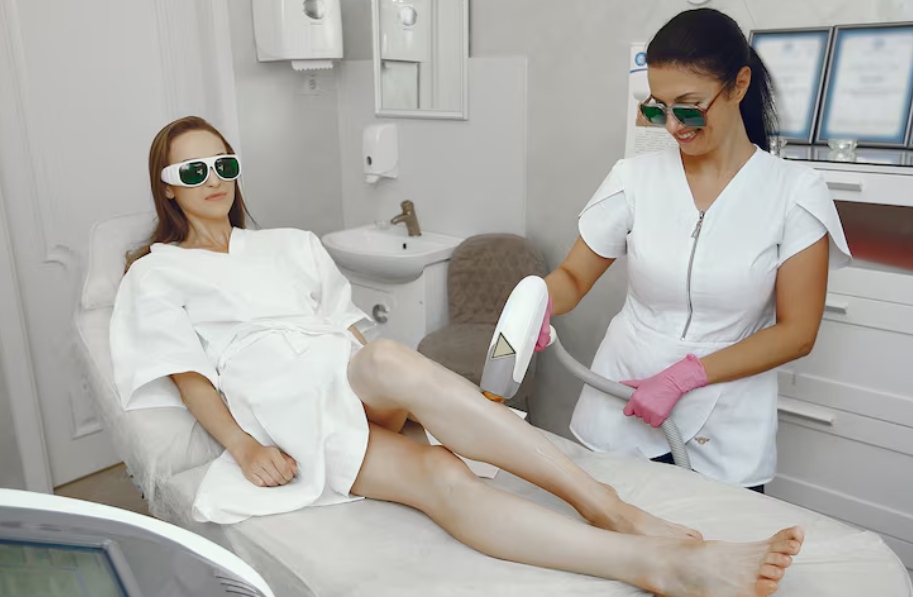
A diode laser hair removal procedure starts with consultation: review treatment history, relevant medicines, recent sun exposure, skin and hair characteristics, expectations and contraindications. The team then documents the proposed area, obtains consent and follows the device instructions and local professional requirements for preparation and any test treatment. Consistent photographs and records make later assessments more useful; they do not guarantee a particular result.
Operator Controls and Clinic Training
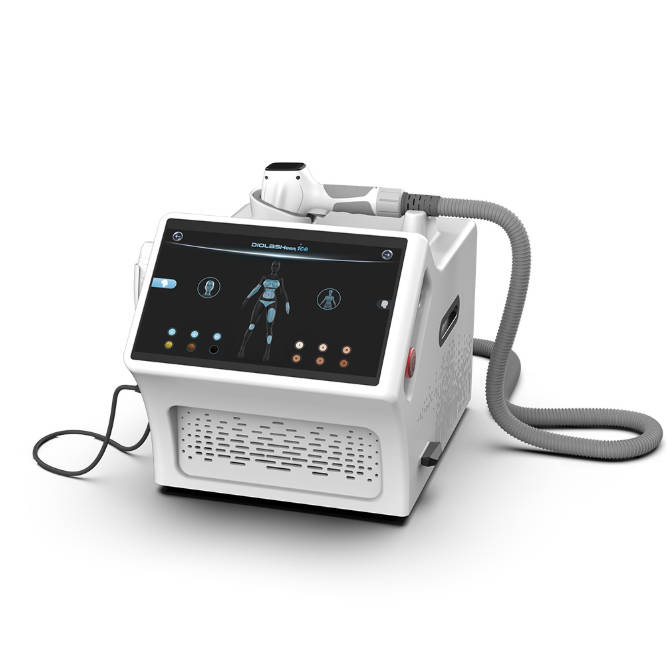
For the query how to use diode laser hair removal equipment, the professional answer begins with training and a device-specific protocol. Staff select an appropriate wavelength or configured mode, check pulse and energy settings, verify cooling and eye protection, and monitor the skin response throughout treatment. The handpiece is used according to its contact and movement instructions, followed by recorded settings and aftercare advice. This is a clinic workflow, not an instruction for unsupervised self-treatment. A professional diode laser hair removal machine should therefore be judged on usable controls and support as well as headline specifications.
How Many Sessions Should Clinics Discuss?
When a client asks diode laser hair removal how many sessions, a clinic should explain that hair grows in cycles and that area, hair characteristics, hormonal factors and response influence the plan. Agree on review points rather than promising a fixed number of visits. Product literature may suggest a treatment range for a particular configuration, but that range is not a universal prediction. Document progress and adjust the plan within the device’s approved protocol.
Benefits, Limits and Home-Use Questions
Benefits Clinics Can Explain Without Overpromising
The clearest diode laser hair removal benefits are a targeted, adjustable professional treatment and the opportunity to manage comfort with appropriate cooling. Multiple wavelength options can broaden protocol planning for a diverse client base. They do not remove the need for suitable candidates, maintenance or realistic expectations. Results and comfort vary, so avoid claims of painless treatment or permanent clearance for everyone.
How Does a Diode System Compare with Other Lasers?
The search diode laser hair removal vs laser hair removal can be misleading because a diode system is itself a type of laser hair-removal equipment. The broad term can also describe other laser platforms, each with its own optical design and operating parameters. A buyer should compare the actual device configuration, intended use, operator training and service provisions. The comparison is between technologies and protocols, not between a laser and something outside that category.
Why Home Use Is a Different Buying Question
People searching for home diode laser hair removal are usually evaluating consumer convenience. A clinic, by contrast, needs a professional operating protocol, treatment records, staff training, cooling performance, maintenance and technical support. Consumer product claims should not be transferred to a professional purchase decision. A clinic should request documentation for the exact model and its destination market.
Why Nubway’s Professional Diode System Supports Clinic Procurement
What to Check in a Nubway Machine
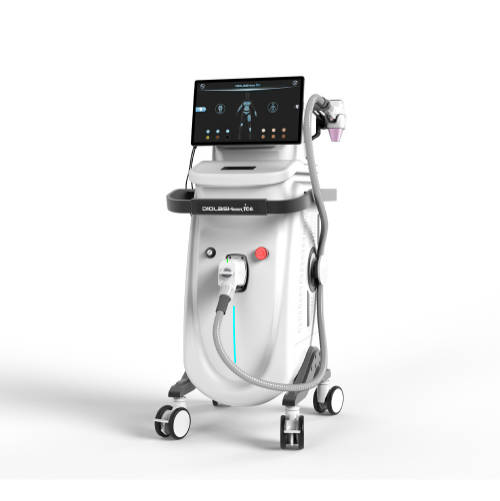
Our ST808 gives buyers a listed four-wavelength configuration: 755nm, 808nm, 940nm and 1064nm. The specification also lists a sapphire contact surface, several spot sizes, adjustable treatment controls and operation up to 20Hz. These details make our Nubway diode laser hair removal machine worth evaluating against the clinic’s patient mix and workload. Confirm the delivered configuration, handpieces, cooling behaviour under sustained use and documentation for the destination market before ordering. A specification is a starting point for evaluation, not proof of a guaranteed clinical outcome.
Training, Maintenance and After-Sales Support
Remote training, technical communication and after-sales support are available. Ask how onboarding covers parameter selection, routine checks, fault reporting and replacement parts for the quoted professional system. A distributor may also need consistent materials for several clinic customers. Share likely treatment areas, daily appointment volume and service location so we at Nubway can respond to a specific procurement brief.
Häufig gestellte Fragen
Q: Which Wavelength Should a Clinic Choose First: 755nm, 808nm or 1064nm?
A: There is no universal first choice. Match the available settings to the client’s skin and hair profile, treatment area and professional protocol; assess cooling and operator training alongside wavelength.
Q: How Many Diode Laser Hair Removal Sessions Are Typical?
A: Session numbers vary with the area, hair-growth cycle and individual response. Explain the proposed review schedule and update the plan from documented progress instead of guaranteeing a set count.
Q: What Makes a Professional Diode System Different from Home Use?
A: Professional procurement includes operator training, adjustable controls, treatment records, throughput, maintenance and supplier support. Those requirements are distinct from a consumer’s home-use purchasing criteria.