
Non-Invasive Body Contouring Trends in 2026: Why Clinics Are Investing in Multi-Technology Machines
The equipment conversation in 2026 is moving beyond the search for one headline technology. Clinics are examining whether a platform can support several clearly defined services, fit available rooms, match staff capability and remain economical to operate. Multi-technology investment can improve flexibility, but only when each modality has a separate purpose, protocol and evidence boundary. More applicators do not automatically create a better clinical or commercial programme.
What Is Driving Non-Invasive Shaping Investment in 2026?
What Should Clinics Look for in the Best Body Contouring Tools for Clinics?
The word “best” should describe fit rather than popularity. A useful tool addresses a documented patient need, has controls that trained staff can use consistently and comes with clear instructions, maintenance arrangements and technical support. Clinics should also consider room use, appointment length, consumables, cleaning, follow-up and the number of staff who need training.
A device with several functions may reduce the need for separate consoles, yet consolidation has trade-offs. If one platform is unavailable, several services may be affected. Teams also need enough training time to understand each mode instead of treating a combined console as one treatment. The purchasing decision should therefore balance versatility with operational resilience.
How Should Clinics Read Equipment Reviews in 2026?
Searches for body contouring device reviews 2026 are most useful when the reviews identify the exact model, treatment mode, patient selection, protocol and follow-up period. Before-and-after images without consistent lighting, positioning and timing provide limited purchasing evidence. Rankings that do not disclose scoring criteria are equally difficult to use.

Clinics should separate published clinical evidence from manufacturer descriptions and reviewer opinion. Recent information matters, but a 2026 date does not guarantee strong methodology. Buyers need to ask whether a result applies to the same modality, configuration and intended patient group being considered.
Which Multi-Technology Modalities Work Together?
Where Do RF Body Contouring Machines Fit?
Radiofrequency systems deliver controlled energy with the aim of heating selected tissue. The practical questions are how a model controls energy, monitors contact, manages treatment areas and supports operator training. RF should not be treated as interchangeable with cryolipolysis, ultrasound cavitation or electromagnetic muscle stimulation merely because these functions may share one console.
When RF is combined with another mode, consent and treatment records should still identify which energy was used, on which area and with which settings. Separate documentation helps teams connect responses to the relevant procedure and keeps claims tied to the intended use of the specific model.
How Should Clinics Define Vacuum Body Contouring?
Vacuum-assisted treatment usually describes mechanical suction or tissue manipulation. In a combined platform, vacuum may work alongside RF or cavitation, but it remains a distinct function. Clinics should verify adjustable controls, applicator design, contact requirements, cleaning steps and the model’s documented indications.
This separation is important when a menu uses broad phrases such as slimming & body contouring. A patient-facing category can include different procedures, but the consultation must state the actual modality, realistic purpose and expected follow-up. A broad menu label should never replace procedure-specific consent.
Why Are Small Clinics Seeking Affordable and Flexible Platforms?
What Makes Top Affordable Body Contouring Equipment 2026 Worth Comparing?
Affordability is not simply the lowest invoice. A clinic should include installation, applicators, consumables, staff training, room time, cleaning, maintenance, warranty coverage and likely downtime in the calculation. A lower purchase cost can become expensive if support is slow or essential parts are difficult to obtain.
Buyers can improve comparisons by requesting the same scope from each supplier. The quotation should identify the model, modes, handpieces, accessories, training, warranty, documents and delivery terms. Revenue forecasts should use conservative appointment assumptions rather than guaranteed utilisation or outcome claims.
What Are Innovative Body Contouring Solutions for Small Clinics?
For a smaller practice, innovation may mean phased deployment rather than maximum complexity. A clinic might start with a clearly defined service, train a small operator group and expand only after workflow, demand and follow-up are understood. Multi-use rooms, sensible storage and standardised consultation documents can add more value than rarely used features.
Modular planning also protects clinical focus. Each new mode should answer a different patient need or improve an existing workflow. If two functions produce an indistinguishable service proposition, the additional training and maintenance burden may not be justified.
What Maintenance Practices Protect Uptime?
Which Maintenance Tasks Belong in the Weekly Clinic Routine?
Useful body contouring equipment maintenance tips must follow the model instructions and may include visual inspection, surface cleaning, treatment-head care, cable checks, filter or consumable review and confirmation that controls respond normally. Staff should record checks, faults and corrective actions. A log creates continuity between operators and gives technical support better information if a problem develops.
Clinics should never invent a universal calibration or replacement interval. The required schedule depends on the model, component and conditions of use. Where a task belongs to trained service personnel, operators should not substitute an informal repair.
How Should a Supplier Support Maintenance and Training?
Before purchase, buyers should establish the support route, response expectations, diagnostic process and availability of parts. Training should cover normal operation, cleaning, warning messages, shutdown procedures and escalation. Refresher access matters when new staff join or a service is used infrequently.
The supplier should also explain which maintenance actions affect warranty coverage and which records are required. This information belongs in the commercial comparison because predictable support protects appointment continuity and patient communication.
How Can Nubway Support Multi-Technology Treatment Planning?
Which Combination Fits the Planned Service Mix?
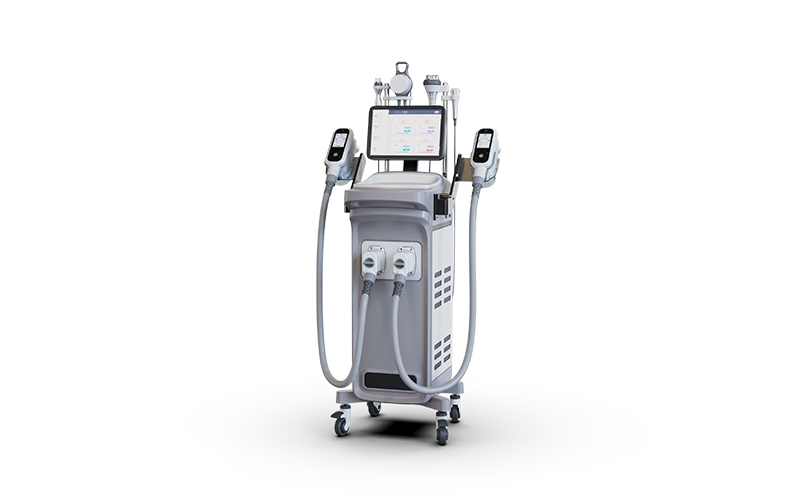
At Nubway, we offer several relevant configurations. One platform combines cryolipolysis, cavitation and RF, while another combines ultrasonic cavitation, RF and vacuum. An EMS+RF sculpting category is also available. These combinations allow a buyer to compare different service concepts without assuming that every function belongs in every treatment plan.
A useful demonstration should identify each mode, applicator, control and cleaning requirement. The buyer should map those functions to rooms, operators, consultation documents and follow-up procedures. Buyers should ask our team at Nubway to confirm which configuration and accessories appear in the quotation and to provide the applicable model instructions and destination-market documents.
What Support Should Be Confirmed Before Deployment?
At Nubway, we provide remote one-to-one training, technical communication, maintenance advice and after-sales support. Clinics should agree training participants, competency records, routine checks, fault escalation and spare-part arrangements before installation. Distributors should also document any OEM or ODM scope without allowing custom branding to obscure the underlying configuration.
This due diligence makes a multi-technology purchase easier to operate and explain. The final choice should follow the clinic’s service plan, not the number of functions printed on a brochure.
التعليمات
Q: Are Multi-Technology Body Contouring Machines Better for Every Clinic?
A: No. They can improve flexibility, but they also increase training, documentation and maintenance demands. A focused system may be more suitable when a clinic has a narrower treatment menu or limited operator capacity.
Q: What Is the Difference Between RF and Vacuum Body Contouring Treatments?
A: RF is an energy-based modality, whereas vacuum provides mechanical suction or tissue manipulation. Some platforms combine both, but settings, intended uses and treatment records should remain distinct.
Q: How Often Should Body Contouring Equipment Be Maintained?
A: Follow the exact model instructions, service schedule and usage conditions. Clinics should complete documented routine checks and use authorised technical support for tasks that require trained service personnel.